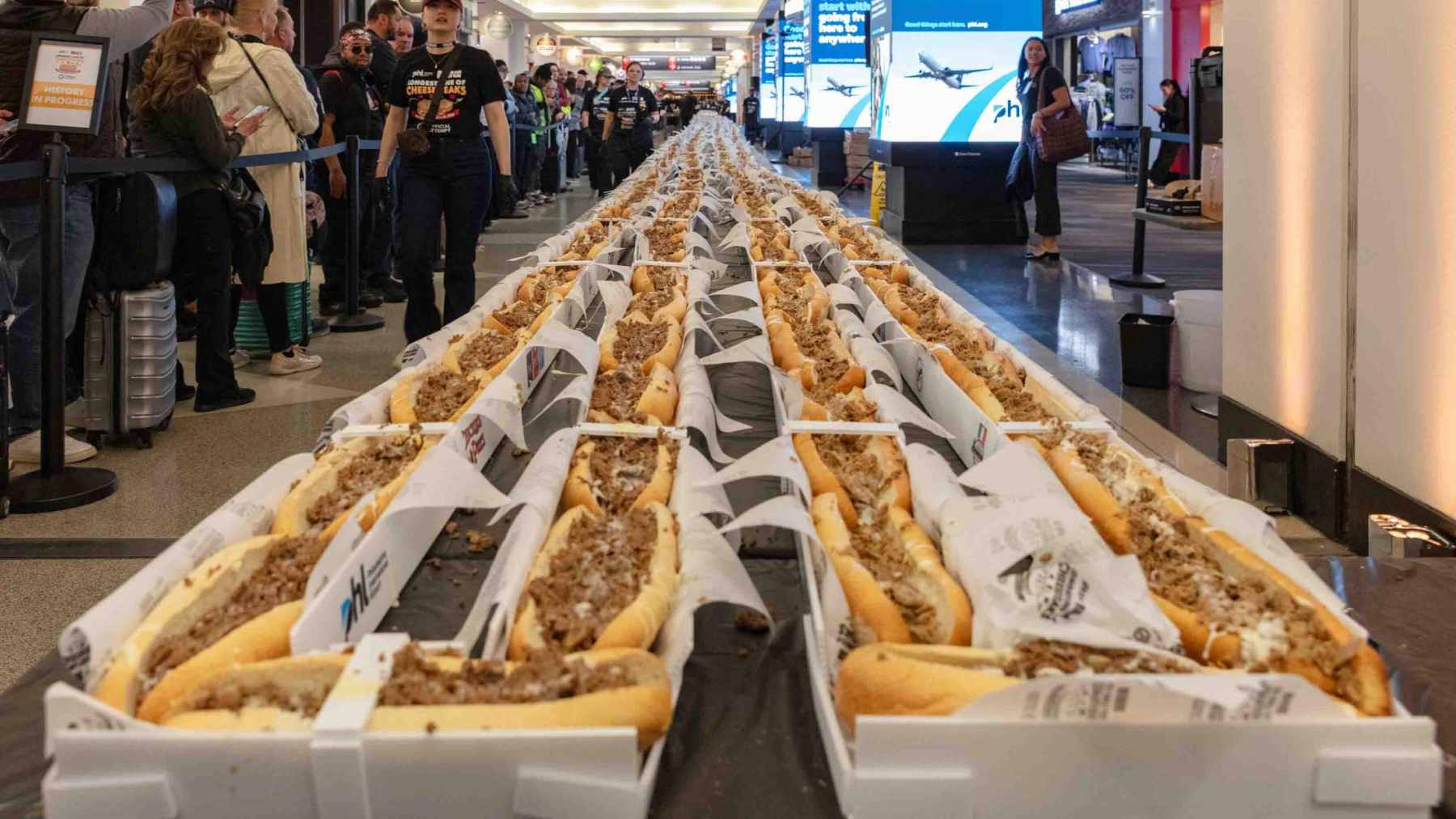
Travelers at Philadelphia International Airport usually brace for the security line. On March 24, they got a different kind of queue, a Guinness-certified “Longest Line of Cheesesteaks” stretching through the concourse between Terminals B and C.
The airport says the record hit 1,291 cheesesteaks using 225 lbs. of cheese sauce and 990 lbs. of shaved ribeye on more than 1,200 foot-long rolls.
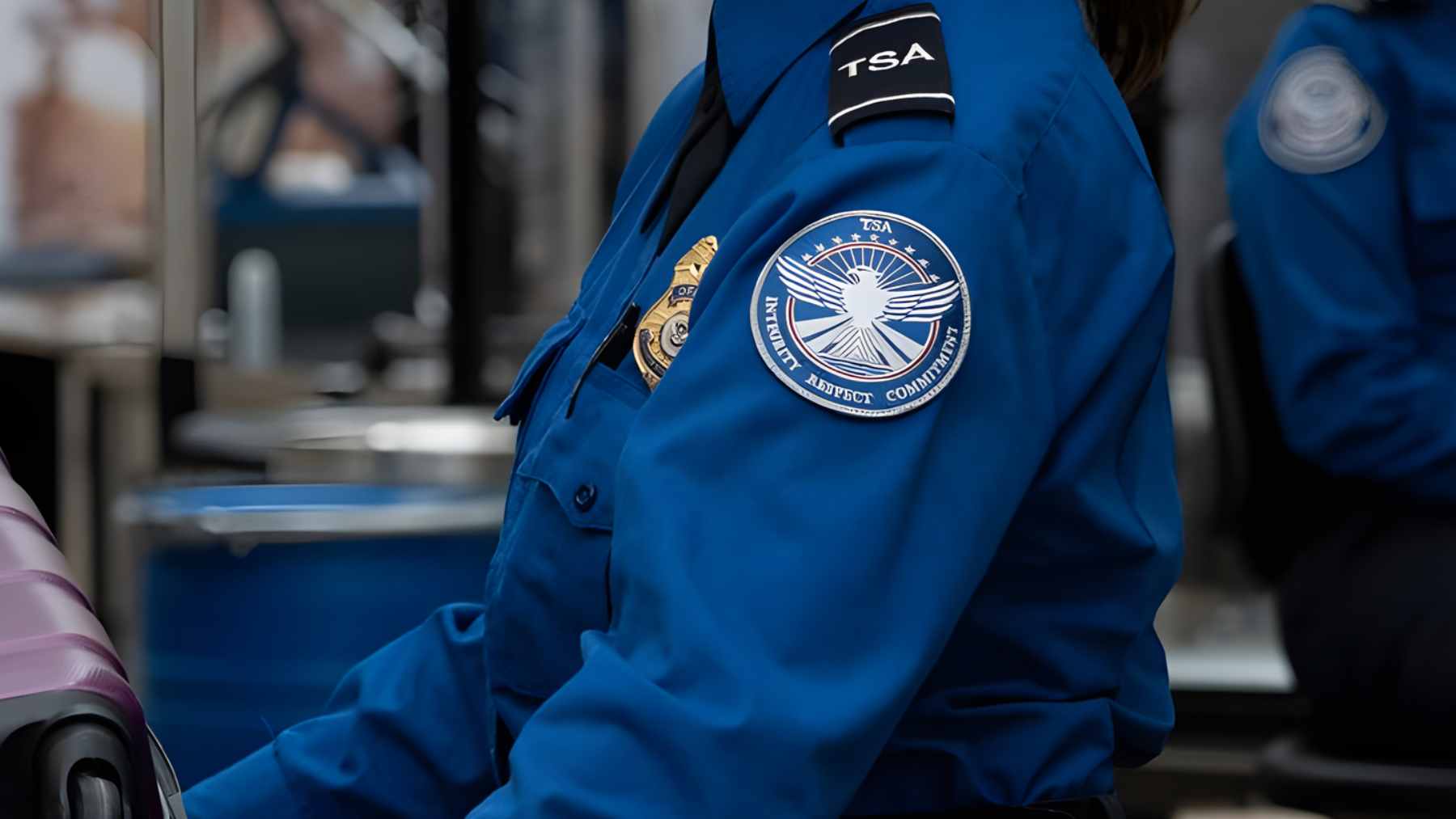
After the measuring tape came out, the sandwiches did not head for the trash. They were handed out to passengers and airport workers, including TSA staff who, according to reporting from the Associated Press, were working without pay during a government shutdown.
A celebration that also reveals how airports really work
Pulling off a stunt like this is not just a food story. It is a supply chain story, too, with named local suppliers and a concessions operator coordinating staff, ingredients, and space inside an active terminal.
PHL’s newsroom described months of planning across the City of Philadelphia’s aviation team and multiple concessionaires and vendors.
The airport also leaned into the business upside. In the official release, aviation leadership framed the record as part of a big travel year for Philadelphia, and a way to show off the airport’s dining footprint, with the Chief Commercial Officer saying “Philly is on a roll literally and figuratively.”
The carbon math hiding in the ribeye
There is a part people rarely picture when they see a feel-good photo of a sandwich line. Beef is one of the most emissions-intensive foods on the menu, and life-cycle estimates tend to put it far above most other staples.
One widely used dataset published by Our World in Data lists beef from beef herds at about 99.48 kilograms (220 lbs.) of greenhouse gas emissions per kilogram of product.
PHL says the record used 990 pounds of shaved ribeye (roughly 450 kilograms). If you apply typical life-cycle estimates for beef, the emissions linked to producing that meat alone can land in the “tens of tonnes of CO2 equivalent” range, even before cooking energy, refrigeration, or packaging enter the picture.
That number can swing depending on how and where the cattle were raised and how emissions are counted, but the direction of travel is clear.
Food waste is where climate damage accelerates fast
The good news is that this event appears to have avoided the worst outcome, which is food being tossed. That matters because food waste is not just “garbage,” it is methane risk. The U.S. EPA says food waste makes up about 24% of municipal solid waste in landfills and is responsible for an estimated 58% off fugitive methane emissions from those landfills.
If you have ever opened the fridge and found that sad, forgotten leftovers container, you already get the idea. Now scale that up to an airport that serves thousands of meals a day, where a single weather delay can suddenly change what gets sold and what gets scrapped.
Keeping food out of landfills is one of the fastest ways to avoid avoidable emissions, and it is also one of the easiest wins to measure.
Tech and contracts can shrink a terminal’s footprint
Airports do not control what every traveler eats, but they do control systems. The FAA has documented how airports use tools like compactors and composting programs to manage waste streams, and those choices can reduce both disposal volumes and contamination that ruins recycling.
PHL’s own ecosystem is already talking in that direction. MarketPlace PHL, the private partner that manages much of the food and retail program, says it recycled 351 tons of cardboard, glass, aluminum, plastic, and paper in 2024, and diverted 11.4% of its waste away from landfills.
This is also where tech quietly enters the story. Digital inventory systems, smart scales that track prep waste, and better sorting and hauling contracts do not make headlines like a Guinness record, but they can change outcomes week after week.
PHL has highlighted local partnerships around recycling, composting, and food recovery in earlier sustainability events, which is exactly the kind of operational plumbing that turns climate promises into real reductions.
Security and sustainability share the same runway
It is tempting to treat “environment” and “security” as separate worlds. Airports know better. The same facility that hosted a culinary spectacle was also, according to the AP, feeding TSA workers who were working without pay during a shutdown, a reminder that airports are critical infrastructure that depends on people showing up even when conditions are messy.
Climate disruption can be just as destabilizing, only less predictable. The International Civil Aviation Organization has warned that climate change can affect airport operations, infrastructure, and business continuity through hazards like flooding, heat, and stronger storms.
Meanwhile, the Department of Homeland Security has laid out plans to incorporate climate resilience criteria across mission areas tied to homeland security.
And the broader industry is moving, at least on paper. The Airport Carbon Accreditation program reported that 590 airports across 91 countries were accredited in the May 2024 to May 2025 period, covering 53.6% of global passenger traffic, and collectively reducing Scope 1 and Scope 2 emissions by almost 600,000 tons of CO2e (an 8.1% drop).
A world record sandwich line is fun. The bigger takeaway is practical, airports can use the same coordination muscle that builds a spectacle to tackle quieter, higher-impact problems like food waste, energy use, and climate resilience.
The press release was published on PHL.org.