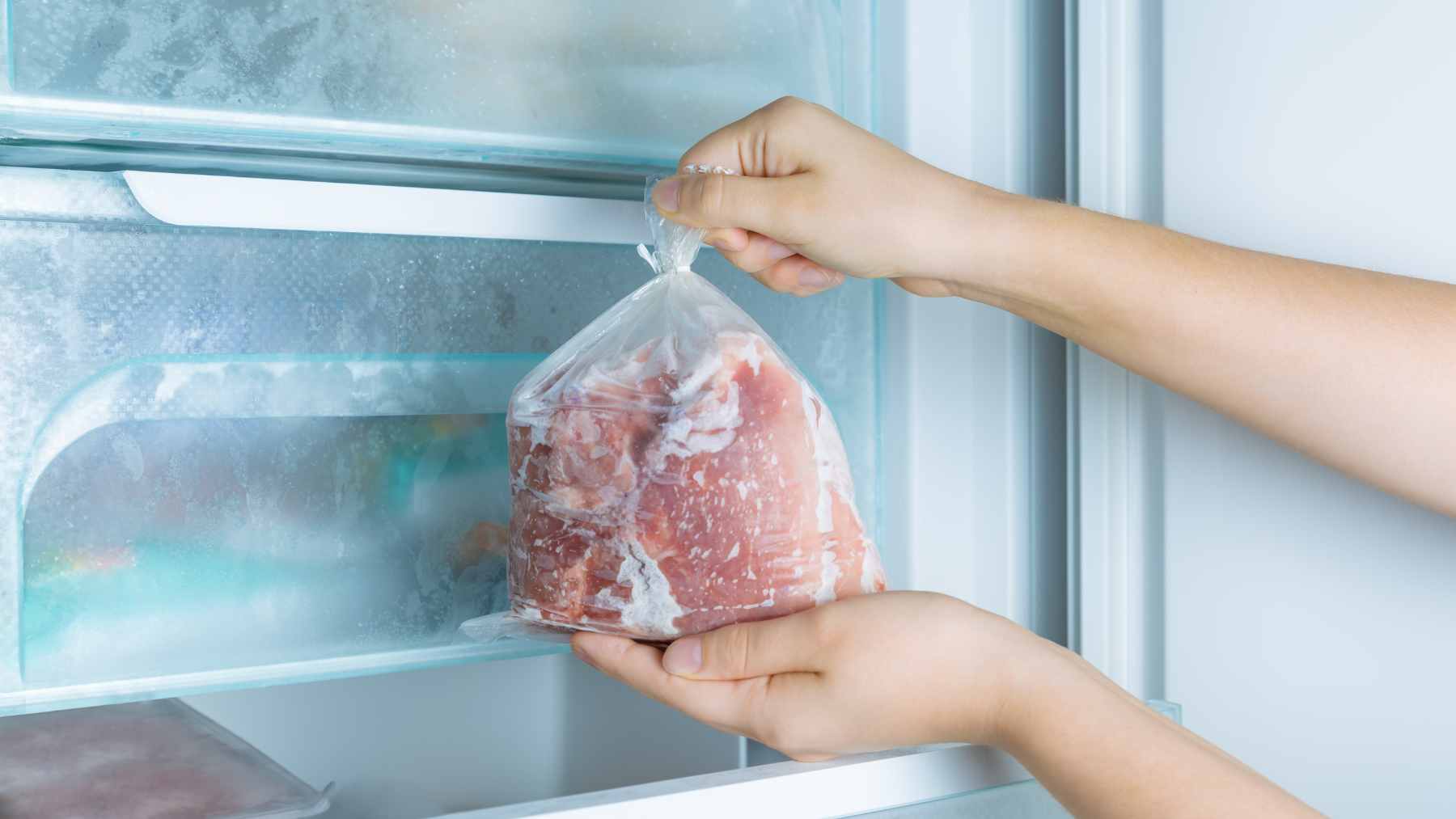
A new warning about a very old habit is landing in a familiar place, the bottom shelf of the fridge. Meat chef Camilo Currea says leaving raw meat in a plastic bag the way it came from the store can trap moisture and speed bacterial growth, hurting color and flavor.
It sounds like everyday kitchen talk, but the ripple effects are real because food waste is a climate problem and packaging sits in the middle of the fix. From grocery cases to military rations, engineers are chasing longer shelf life with less trash. What works in a home fridge often echoes across the supply chain.
The bag was never designed for the fridge
Currea told El Espectador that keeping meat in a plastic bag “is not a good idea” because it limits oxygen flow and creates humidity and temperature changes that can accelerate bacterial growth. He says meat can lose color and start to taste different even before you cook it.
A thin carry bag from the butcher shop is not the same thing as vacuum sealing or the tight overwrap used on some supermarket trays. Different materials and different gas levels can change shelf life and also how meat looks on day two.
If the bag is leaky, the problem spreads fast. Ever found a mystery drip under the produce drawer?
Food safety rules still come first
The USDA’s advice is clear about one thing, keep raw meat and its juices away from other foods. It recommends using containers, plates, or sealed bags so drips do not contaminate anything else in the cart or in the refrigerator.
Cold matters just as much as containment. The FDA says your refrigerator should be at or below 40° F (4° C), and it warns against packing it so tight that air cannot circulate. A jammed fridge can spoil food faster, and it is one way the electric bill can creep up.
A practical compromise is simple. Move meat out of the flimsy shopping bag and into a leakproof container or onto a rimmed plate, cover it, and store it on the lowest shelf. If you will not cook it soon, freezing sooner is safer than gambling on tomorrow’s schedule.
When meat goes bad the climate pays, too
Food waste is not a side issue in the United States. USDA estimates that 30 to 40% of the food supply is wasted, and ReFED estimates that about a quarter of all U.S. food ends up in waste destinations like landfills.
Globally, UNEP estimates that 8 to 10% of greenhouse gas emissions are associated with food that is not consumed. EPA also estimates that about 58% of fugitive methane emissions from municipal solid waste landfills come from landfilled food waste.
The worst part is what you never see. EPA says more than 85% of greenhouse gas emissions tied to landfilled food waste come from stages before disposal like production, processing, and transport. So when a pack of ground beef gets tossed, the wasted resources go with it, not just the meat.
Packaging tech is evolving fast
Modern meat packaging often tries to manage oxygen on purpose. USDA food safety materials describe modified atmosphere and controlled atmosphere packaging as methods that replace some or all of the oxygen inside a package with other gases to help preserve food.
One peer-reviewed comparison found vacuum packaging inhibited the growth of certain spoilage bacteria more than high oxygen-modified atmosphere packaging in chilled meat, although results depend on product and storage conditions. Less oxygen can mean slower spoilage, but it can also change color cues that shoppers rely on.
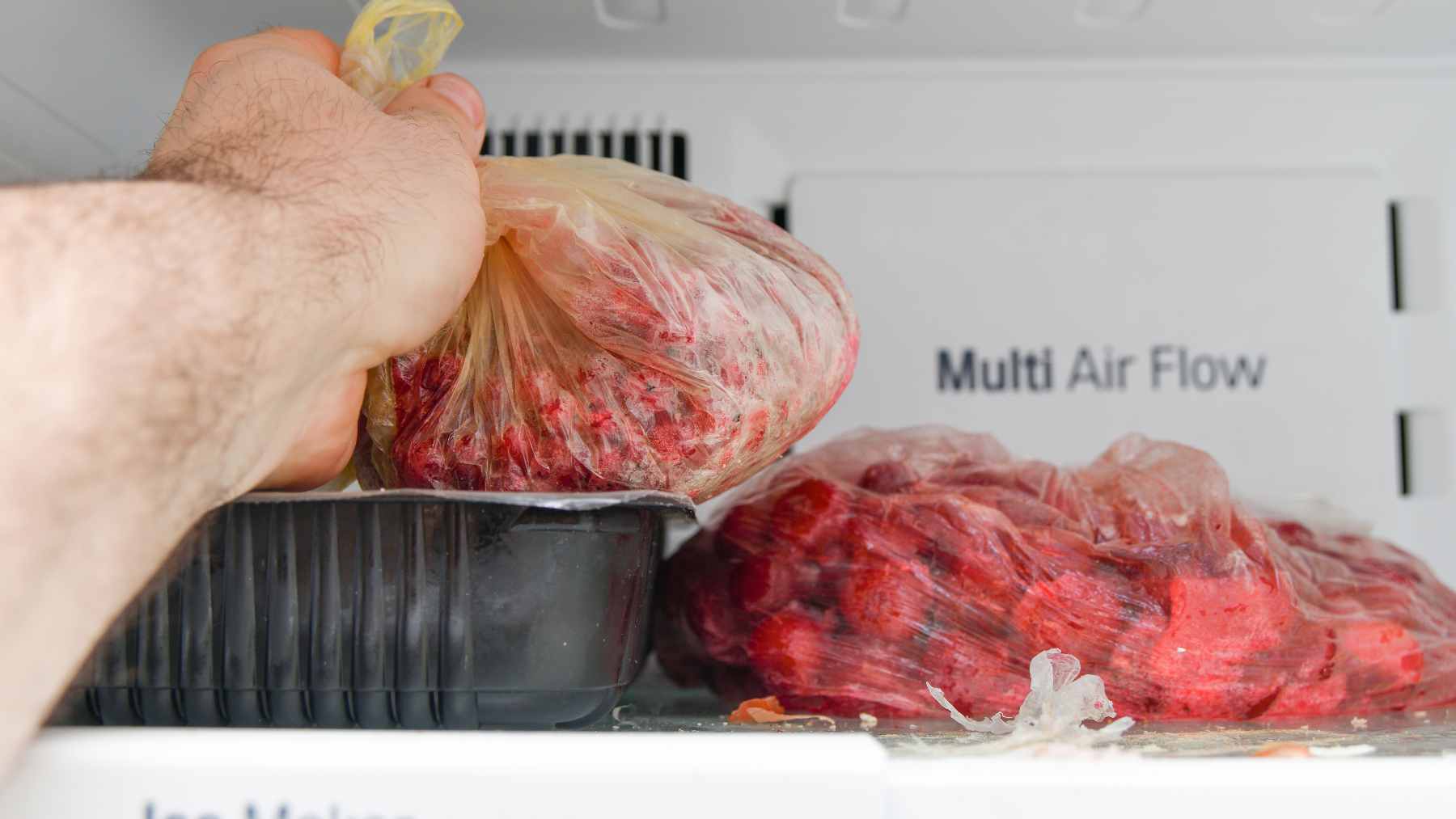
Now layer in the plastic problem. The OECD estimates packaging accounts for about 31% of plastic use, and data summarized by Our World in Data suggests packaging makes up about 37% of total plastic waste in the United States.
That is why brands are chasing recyclable barrier films and active add-ons like oxygen absorbers that can cut waste without adding mountains of material.
The Army is redesigning MRE packaging
In the military, packaging is not a convenience, it is part of the mission. An Army feature on its Combat Feeding Division in Natick, Massachusetts, describes MREs built from multiple layers to protect food and extend shelf life for troops in harsh conditions.
But even the Army is feeling the pressure to reduce waste. The same feature quotes an Army materials engineer who called the volume of MRE packaging “a large amount of packaging waste” and said it is an environmental and health hazard.
It also explains that today’s retort pouches rely on a foil layer that is not recyclable, so the team has been testing new non-foil polymer blends that weigh less.
Some of those new pouches spent five years in storage and recently passed safety and quality testing, according to the Army. The lab is also exploring early-stage energy harvesting patches that could capture vibration during shipping and potentially help heat meals.
The official statement was published on The United States Army.