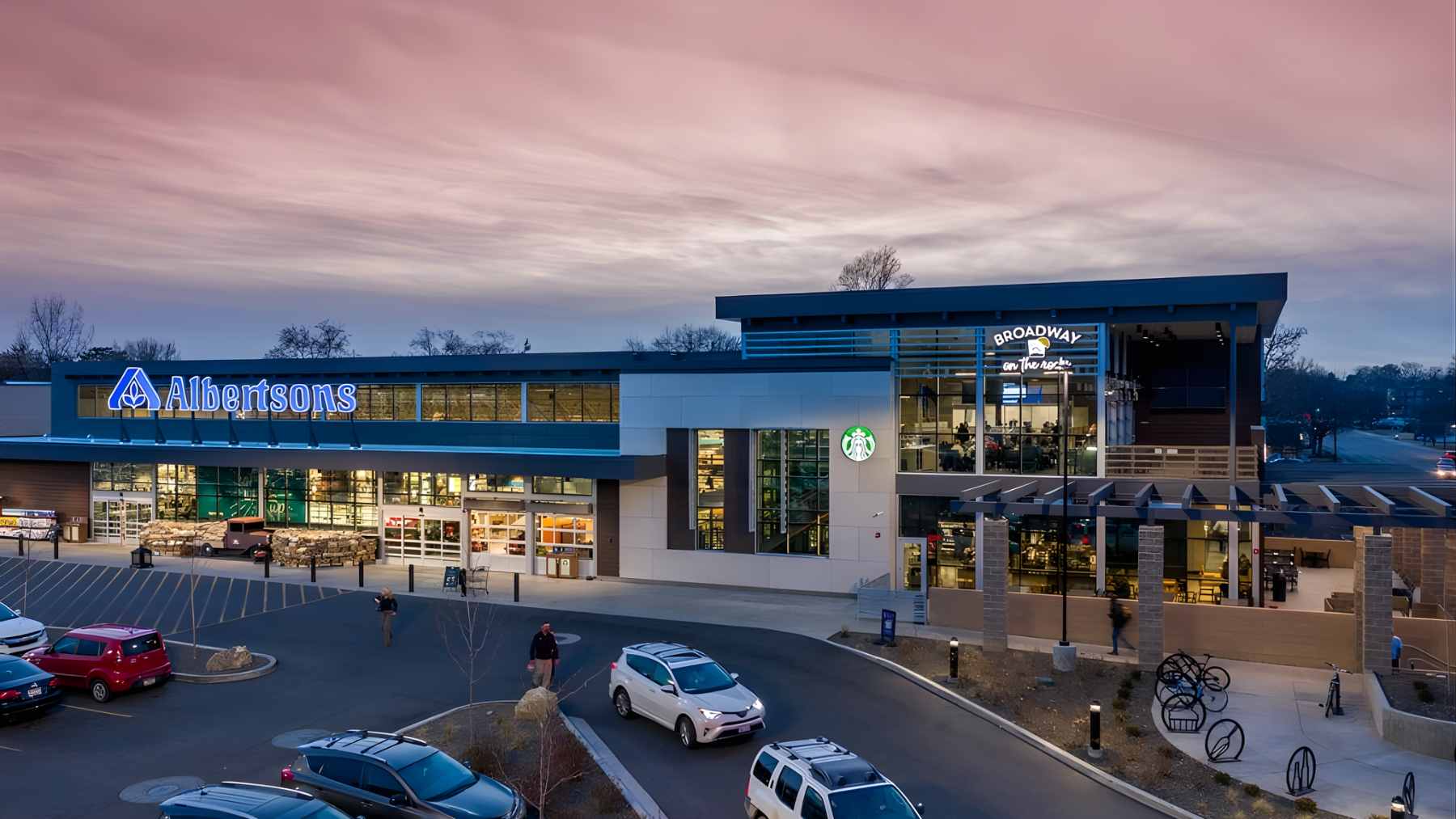
Albertsons is shutting two stores in Tarrant County, Texas, and WARN filings show 138 jobs are on the line as the locations close on or before April 25, 2026.
It reads like a familiar retail story about competition, consolidation, and cost cutting. But there is a bigger environmental question hiding in plain sight, because every time a supermarket chain nudges shoppers from aisles to apps, it also reshapes emissions, packaging waste, and how much food ends up in the trash.
A shrinking footprint, a bigger bet
The Texas WARN listings point to Albertsons store No. 106 in Euless and store No. 4286 in Fort Worth, with 82 and 56 employees affected, respectively. Store closures are often framed as a local loss, and they are, but they also signal where the industry thinks the next decade of grocery shopping is headed.
That direction is more digital, more automated, and more data-heavy. In its January 7, 2026 earnings release filed with the SEC, Albertsons reported a 21% jump in digital sales and said investments in “technology and AI” are “fundamentally reshaping” how it operates and serves customers.
Competitive pressure is the fuel behind those decisions. Walmart has held the top spot in U.S. grocery market share, and industry tracking put it at 21.2% as of the first quarter ending March 31, 2025, which helps explain why regional chains feel squeezed.
The carbon math of the weekly shop
Here’s the part most people do not think about while scrolling through a grocery app on the couch. A “greener” grocery system is not just about what you buy, it is also about how it gets to you, and whether that trip replaces a car ride that would have happened anyway.
Some research suggests grocery e-commerce can cut emissions, largely because one delivery route can replace many individual car trips. A University of Michigan analysis found grocery e-commerce scenarios produced lower greenhouse gas emissions than brick and mortar shopping in both urban and rural cases, with reductions ranging roughly from 14% to 55% depending on assumptions.
But the fine print matters, and it matters a lot. A peer-reviewed review on online versus traditional shopping warns it is easy to overgeneralize because outcomes swing based on consumer travel, delivery density, and the fulfillment model, meaning one neighborhood’s “climate win” can be another’s “extra miles.”
Packaging and food waste pull in opposite directions
Even if delivery can reduce driving emissions, the packaging problem often grows. One study using U.S. county-level data concluded online shopping generated about 4.8 times more packaging waste than offline shopping for the same amount of spending, a finding that has become central to the debate over e-commerce sustainability.
On the other hand, digital grocery tools can attack one of the biggest environmental sinkholes in the food system, which is waste. USDA estimates food waste in the United States at roughly 30% to 40% of the food supply, and that waste represents unnecessary land, water, fertilizer, and energy used for food that never gets eaten.
It also turns into a very real landfill problem. EPA notes that food is the single most common material landfilled and incinerated in the U.S., which is why reducing waste is one of the fastest ways to lower the food system’s footprint without asking people to skip dinner.
Why defense planners care about groceries
Groceries are not just commerce, they are infrastructure. The FDA’s food defense materials emphasize that the Food and Agriculture sector has critical dependencies on water, transportation, energy, chemicals, and information technology, and it accounts for roughly one-fifth of the nation’s economic activity.
Now add a digital layer to that system and the risk profile changes. CISA has issued cybersecurity resources specifically for the Food and Agriculture sector, a reminder that the more retailers rely on software for ordering, fulfillment, and payments, the more a cyber incident can become a supply disruption instead of “just” an IT outage.
Climate risk is part of this security picture, too, especially when extreme weather hits logistics and crops at the same time.
The Department of Defense’s 2024 to 2027 Climate Adaptation Plan says the U.S. military must consider the effects of extreme weather and climate change “at every level” to carry out its mission, which is another way of saying climate stress rarely stays in one lane.
What shoppers and cities should watch next
If more stores close while more orders move online, the environmental outcome will depend on practical choices that sound boring until you see them on your electric bill or in a traffic jam.
Delivery fleet electrification, smarter routing, consolidated drop offs, and fewer split shipments can all push emissions down, while rushed same-day delivery and excessive packaging push the other way.
Albertsons’ own filings hint at the tradeoff companies are grappling with right now. The same January 2026 release that celebrated digital growth also pointed to “delivery and handling costs” rising alongside that growth, which often tracks with more vehicles, more touches, and more materials per order.
For shoppers, small habits can change the math without turning life into a spreadsheet. Fewer, larger orders and flexible delivery windows help routes stay dense, and curbside pickup can be a middle ground if it replaces a long solo drive across town.
The official WARN notice listing was published on Texas Workforce Commission.