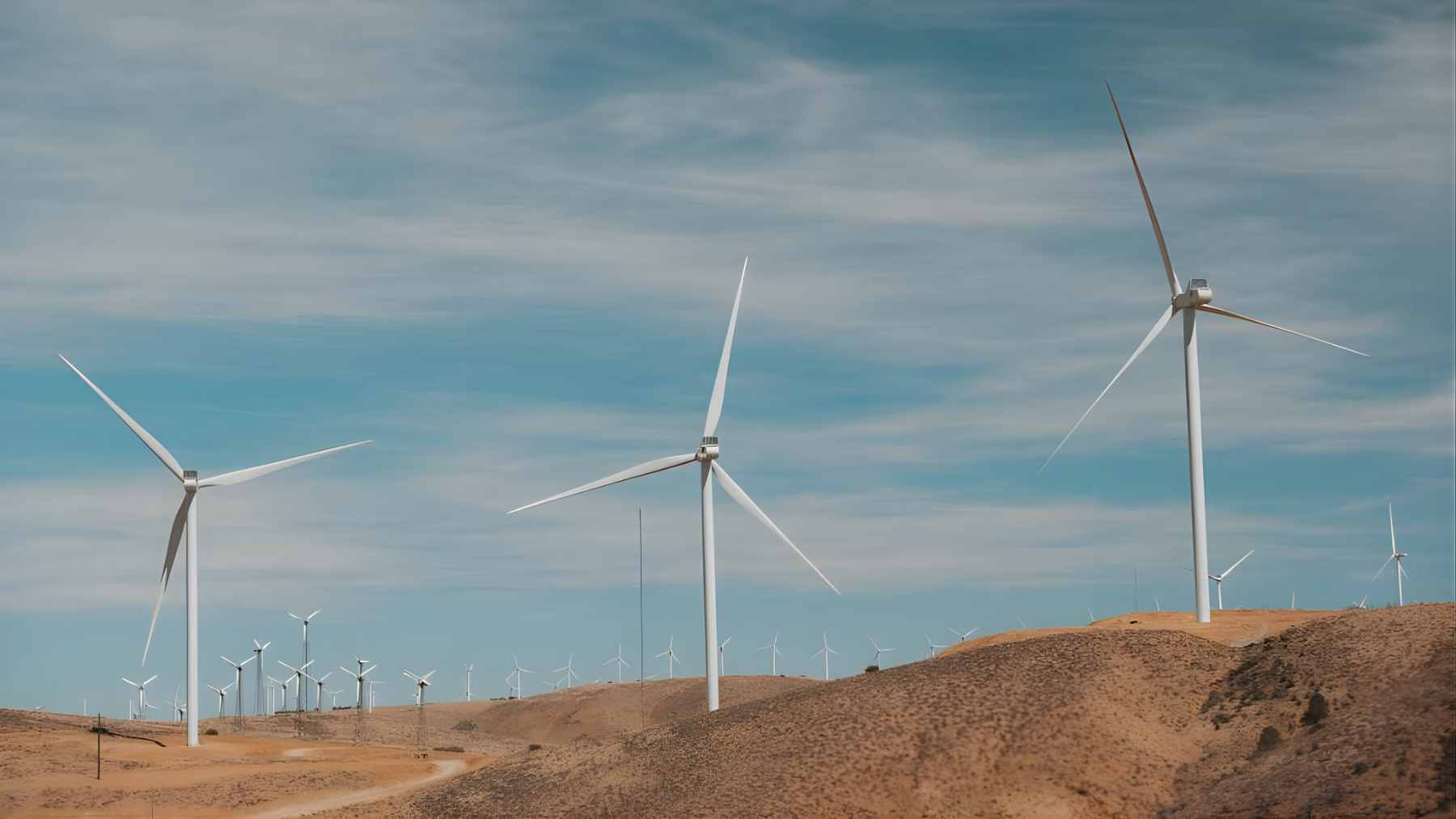
Southeastern Wyoming’s steady wind is turning into a political storm. As developers line up wind farms along the Laramie Range, opponents warn the landscape could become a “Wyoming wind wall” of turbines.
Supporters counter that these projects keep ranches afloat, send tens of millions of dollars a year to landowners, and help meet rising tech demand, but the fight is now about more than views and lease checks. It is also about cumulative land use, wildlife, and whether a new mix of data centers and federal defense reviews will reshape what gets built, and where.
A wind corridor in the making
Opponents say the problem is not one wind farm, it is the corridor effect. A petition now asks state leaders to look at cumulative development across the Laramie Range instead of treating each project as a separate dot on a map.
The Laramie Range Wind Project is the flashpoint in Laramie County. After county commissioners denied an initial permit last fall, Repsol affiliate ConnectGen revised its plan from 170 turbines to 139 and shrank the footprint from 56,000 acres to about 41,220, while signaling it will pursue state industrial siting approval.
Other large projects already shape perceptions, including the Rail Tie wind project near Laramie and the proposed Pronghorn H2 development along the northern Laramie Range. For critics, it is the stacking effect that feels irreversible once roads, pads, and transmission lines are in.
Money, megawatts, and land use
Wyoming is not new to wind. The Wyoming Energy Authority says 3,236 megawatts of utility scale wind capacity were online at the end of 2023, and by 2023 wind power accounted for roughly 21% of the state’s electricity generation, representing close to 90% of its renewable output.
Supporters see lease checks and tax revenue as a lifeline that keeps family operations intact. One ranch partner told local reporters that steady payments could mean something as simple as a new farm truck, and the money does not just sit in a bank account, it circulates through feed stores, repair shops, and local payrolls.
Opponents answer with scale and speed. A single turbine can stand about 500 feet tall, and a multi-project ridgeline can change land use in a way that feels closer to an industrial park than a working range.
How the permitting and cleanup rules work
Wyoming’s industrial siting process is not a handshake deal. State reviewers require detailed studies across social, economic, and environmental categories, and developers have to coordinate with multiple agencies before a permit can be granted.
Wyoming’s wind permitting guide lays out the timeline and the paperwork, including that the Industrial Siting Council issues a written decision within about 135 days after an application is deemed complete. It also notes that land can often be returned to prior use after operations end, if decommissioning is enforced.
The Wyoming Department of Environmental Quality has also highlighted financial assurance as a backstop, with reclamation bonds and other guarantees intended to cover cleanup even if a developer disappears or sells the project. That is the boring part, but it is what determines who pays when the turbines come down.
Wildlife is part of the math
The core ecological concern is collision and displacement. The U.S. Geological Survey summarizes the issue as a mix of direct impacts like bird and bat collisions and indirect impacts like habitat change and altered behavior, which can be especially risky for slow-reproducing species.
Developers also point to mitigation tools. Some sites show bat fatalities can drop by 50% or more with the right curtailment settings, though those settings can trim energy output and revenue.
This is why the argument keeps returning to location. The best wind resource is not always the best wildlife fit, and in places like the Laramie Range, those tradeoffs sit right on the horizon line.
Data centers are changing the stakes
The immediate spark is a planned Related Digital data center campus in Cheyenne. The company has described a buildout with up to 302 megawatts of critical IT capacity, and CoreWeave is the first announced tenant, with an 88-megawatt slice aimed at AI workloads.
That is not a random number. The International Energy Agency reported data center electricity demand jumped 17% in 2025 and could double by 2030, which helps explain why power-rich states are suddenly getting more attention. That matters to anyone who has watched the electric bill jump after a hot month.
What matters for the wind debate is that these facilities concentrate power demand. They also bring new environmental questions, like water use for cooling, though Related says its Cheyenne project plans to rely on high efficiency air-cooled chillers with only nominal water consumption.
Why defense reviews can shape the final map
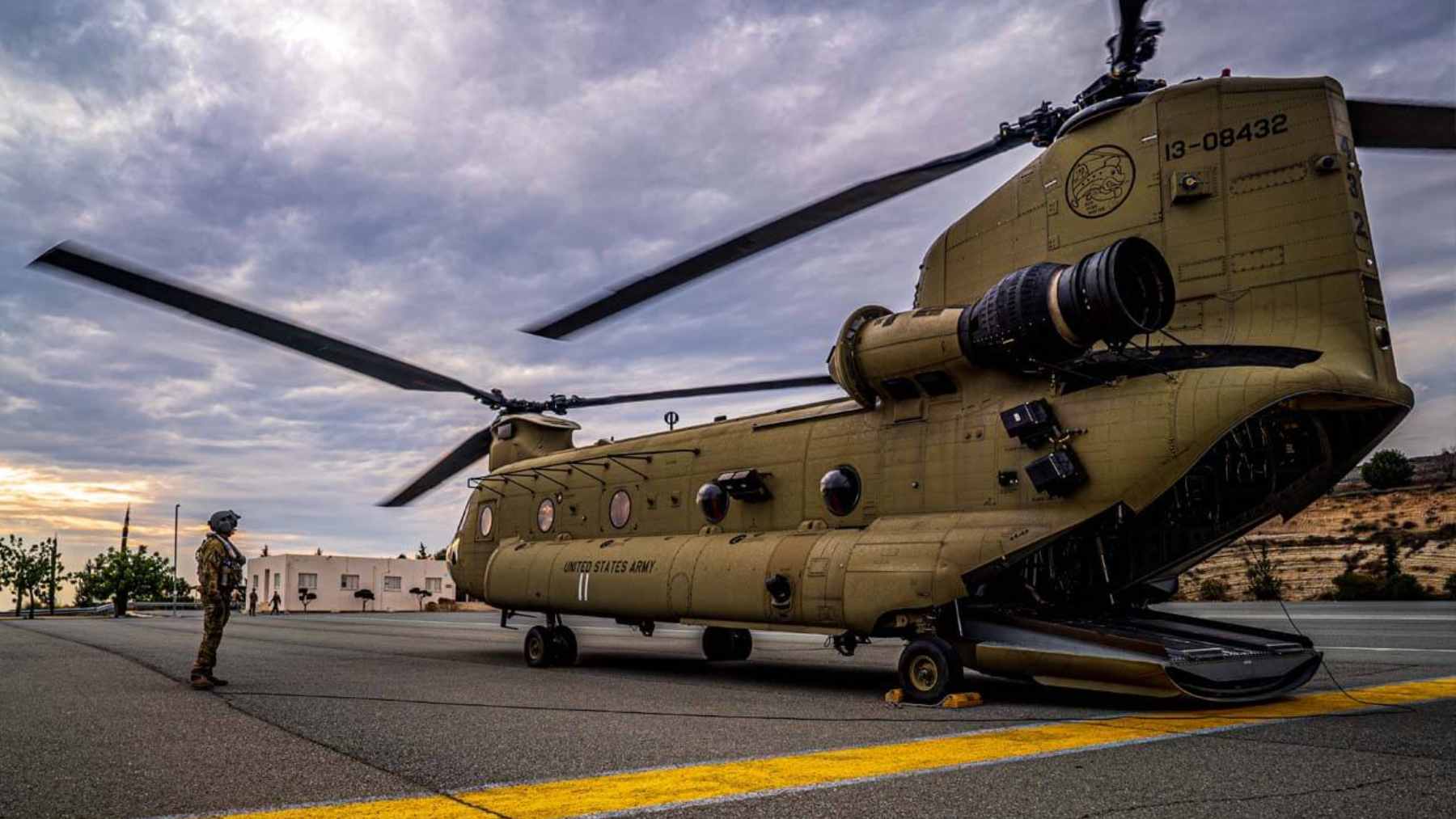
Wind projects also run into a different kind of gatekeeper: the Pentagon. The Department of Defense Siting Clearinghouse can trigger a formal review when proposed turbines are near military training routes, radar sites, and airfields, because tall structures can affect low-level aviation and radar performance.
Even outside formal objections, physics still applies. The Department of Energy warns that wind turbines can create “clutter” and interference on certain radar systems, which is why developers sometimes have to adjust layouts, fund mitigation, or accept limits on where turbines can go.
In Wyoming, that tension is not abstract. The Laramie Range sits near critical military infrastructure, including F.E. Warren Air Force Base, home to the 90th Missile Wing and its Minuteman III force, so siting decisions can turn into national security conversations quickly.
What to watch next
The next filings will show whether state regulators treat the Laramie Range as separate projects or as one connected buildout. If you live in the region, the boring details matter most, like where the transmission lines run, what the wildlife studies say, and what decommissioning guarantees actually require.
For the rest of the country, Wyoming is becoming a test case for how clean power, big computing, and defense constraints collide in the same landscape. The argument is not going away, and neither is the wind.
The press release was published on IEA.