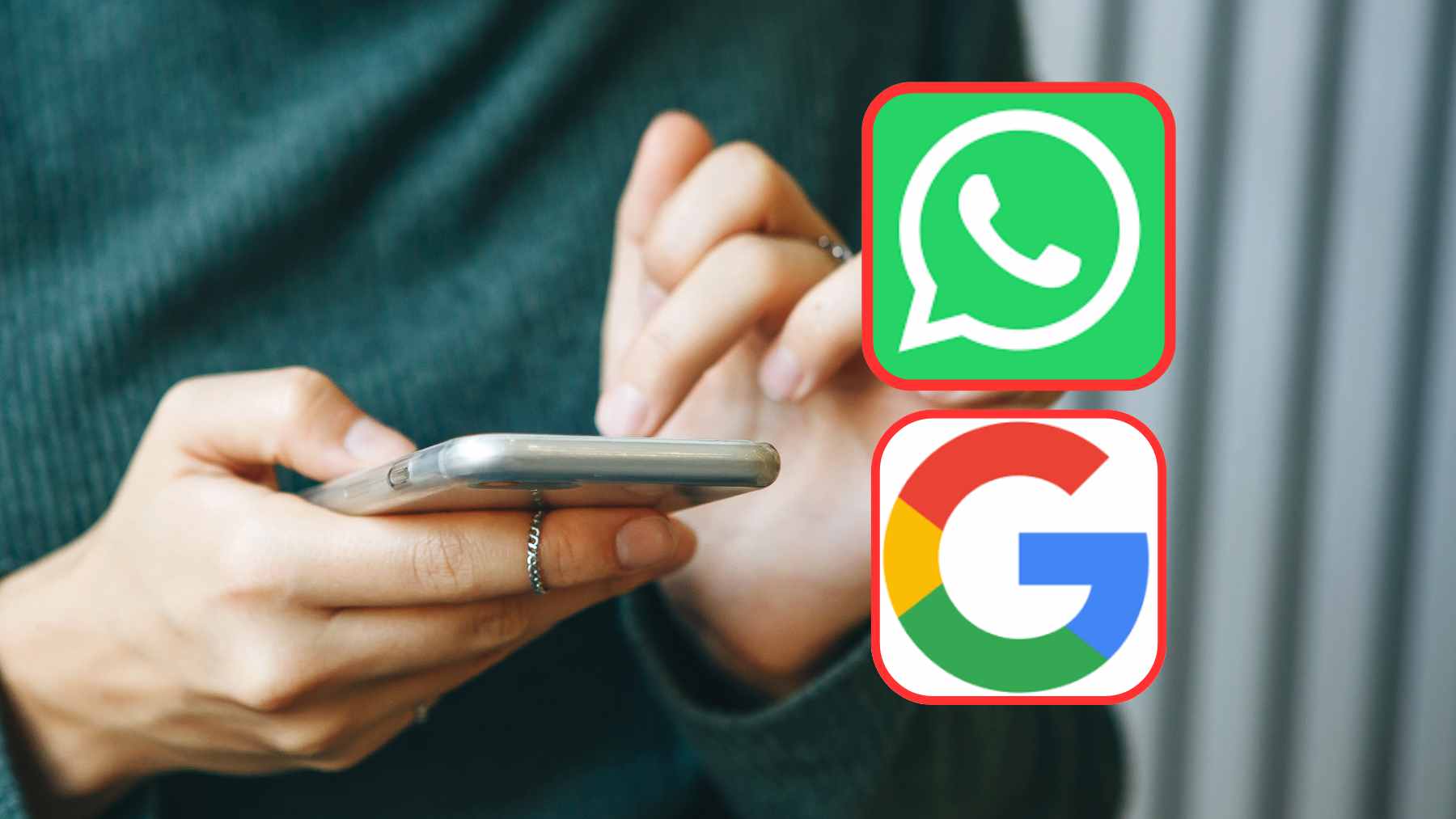
Europe’s digital sovereignty debate just got a lot more practical. Dutch tech analyst and cybersecurity voice Ben van der Burg is urging Europeans to move away from US platforms like WhatsApp and Gmail in favor of European services, arguing that convenience can come with legal and security strings attached.
But there’s another angle that deserves attention–the same everyday apps and devices that shape our privacy also shape our environmental footprint, from energy-hungry data centers to the drawer full of old phones we never recycle. And that’s where the story gets interesting.
A legal fight that spills into the real world
Van der Burg’s warning is rooted in jurisdiction. The US CLOUD Act can compel US-based providers to hand over data even when it is stored outside the United States, which is why European companies worry that “where the server sits” is not the whole story.
That runs into Europe’s GDPR framework, which is designed to protect personal data and sets clear obligations for controllers and processors operating in the EU or targeting people in the EU.
In practical terms, this is no longer a niche compliance topic. If more organizations pull data and communications back under European jurisdiction, it can accelerate new cloud buildouts in Europe, meaning more local demand for electricity, water, and grid connections.
European alternatives are real, but they are not magic
The menu of European options is growing. Proton Mail is headquartered in Switzerland and positions itself around “zero access” and end-to-end encryption, while also being clear about what is and is not end-to-end encrypted in standard email workflows.
Germany’s Tuta, formerly Tutanota, emphasizes default encryption and says it encrypts more than just message bodies, including subject lines and the address book.
For messaging, Threema highlights a different privacy choice that feels small until you think about it for a second. Your identity does not have to be your phone number, since Threema uses a randomly generated ID.
Search, storage, and the everyday habits that add up
Storage and collaboration tools are part of the same sovereignty push. Nextcloud, founded in 2016, argues for giving organizations control over where data lives, including self-hosting or choosing a trusted provider.
Then there is search, which sounds harmless until you realize it is the front door to tracking and ad profiles. Ecosia says its search results and ads can come from partners including Microsoft Bing, Google, and EUSP depending on context, which is worth knowing if your goal is full independence.
And yes, these choices can feel like friction. Paying a few dollars a month, learning a new interface, and moving years of files is not fun. Still, the trade is not just privacy, it is leverage.
The climate math behind “the cloud” is getting tougher
Here’s the part that does not show up on your phone screen: the International Energy Agency estimates data centers used around 415 terawatt hours of electricity in 2024, about 1.5% of global electricity consumption, and projects data center electricity demand could reach around 945 TWh by 2030 in its base case.
That is why the “where” of your data matters for the planet, too, not only the “who.” If Europe wants more local control, it also needs cleaner power, smarter cooling, and more transparency about impacts in each region, especially when everyone is already staring at their electric bill and wondering why it jumped again.
Europe does have a roadmap on paper. The Climate Neutral Data Centre Pact is a self-regulatory initiative aimed at making data centers in Europe climate neutral by 2030, and the European Commission also promotes tools like its data center energy efficiency Code of Conduct.
E-waste is the quieter crisis, and procurement can change it
If data centers are the loud climate story, e-waste is the slow one. The UN-backed Global E-waste Monitor says the world generated a record 68 million tons of e-waste in 2022, with only 22.3% documented as properly collected and recycled.
That is why van der Burg’s hardware point lands. A longer-lasting device can matter more than a slightly different app, because manufacturing is often the biggest chunk of electronics impact over a product’s life.
A concrete example showed up this year in the Netherlands. Radboud University announced it will make Fairphone its standard work smartphone starting February 1, 2026, citing sustainability, cost efficiency, and easier support, while pointing to replaceable parts, fair and recycled materials, a five-year warranty, and software support “up to eight years.”
Why this also matters for defense and critical infrastructure
It is easy to frame this as a consumer lifestyle switch, but governments and defense organizations are watching, too. Sensitive communications, supply chains, and critical infrastructure do not mix well with legal uncertainty, especially during geopolitical stress.
At the same time, climate risk is now part of the security conversation itself. NATO describes climate change as a “threat multiplier” that affects security, operations, and missions, which means resilience is not only about cyber defense but also about energy, heat, water, and logistics.
So the smart play is a blended one: build sovereignty where it counts, then insist the supporting infrastructure is efficient, transparent, and as low carbon as possible. Otherwise, we are just relocating the problem.
The official statement was published on Radboud University.