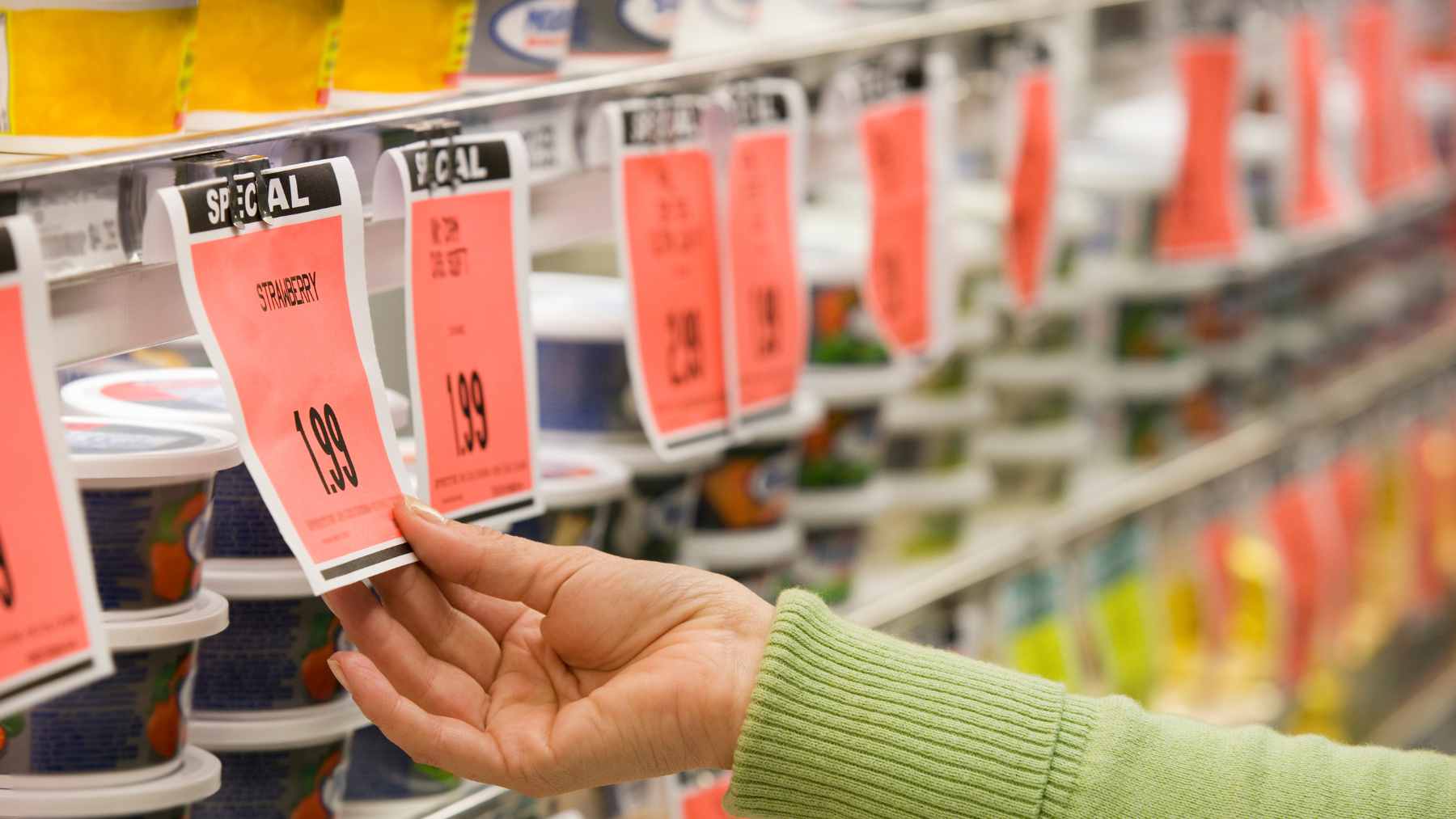
The next time you spot a digital price tag glowing on a grocery shelf, it might feel like a small tech upgrade. In Maryland, lawmakers are treating it as something bigger, because the state is poised to become the first in the country to ban “surveillance pricing” at large grocery retailers.
This is not just a privacy fight, and it is not only about fairness at checkout. Food prices are already getting pushed around by extreme weather, and that volatility makes the temptation to fine-tune prices in real time even stronger. That is why Maryland’s move is turning into a test case for how the U.S. regulates high-tech retail in a warming world.
What the new Maryland law does
Maryland’s legislature approved the Protection From Predatory Pricing Act, aimed at blocking “surveillance pricing” in grocery stores by restricting how personal data can be used to adjust prices.
The law is set to take effect on October 1, 2026, and it is designed to stop retailers from charging different customers different prices for the same item at the same time based on personal information.
In short, the bill also tries to slow down sudden price swings by requiring stores to keep prices stable for at least a business day. Critics say enforcement still looks limited for the most part, because penalties are capped and consumers do not get a direct right to sue, which leaves the Attorney General as the main enforcer.
Digital shelf labels are the real flashpoint
The technology Maryland lawmakers are worried about is not hypothetical. Digital shelf labels are spreading quickly, and retailers say they help keep shelf prices accurate, reduce paper waste, and make it easier to run promotions without sending staff down every aisle with stacks of printed tags.
Big brands are leaning in, too, including Walmart, which has framed the rollout as a speed and efficiency upgrade rather than a tool for demand-based price spikes.
Still, when a shelf can update in seconds, people understandably wonder what happens during a heat wave, a storm, or the kind of supply crunch that turns a quick grocery run into sticker shock, and that is where regulators start paying attention.
Climate volatility is the fuel
The uncomfortable reality is that food inflation is not only about corporate strategy or monetary policy. A peer-reviewed study in Communications Earth & Environment found that higher temperatures can raise food inflation persistently over about 12 months, which helps explain why grocery costs can keep climbing even after a single season of extreme heat.
So yes, Maryland is talking about data and consumer protection, but the backdrop is the climate-era grocery receipt. When weather shocks squeeze supply, pricing systems get more aggressive, and families feel it fast, right when they are already trying to stretch the budget in rising summer heat.
When “dynamic pricing” meets waste reduction
There is a twist that makes this debate harder than it sounds. In some cases, dynamic pricing can cut food waste by lowering prices on perishables before they end up in the trash, and that can reduce emissions tied to landfill waste and replacement production.
One Marketing Science analysis, for example, modeled grocery perishables and found that dynamic pricing could reduce waste substantially under certain conditions.
That is the tension regulators are stuck with, because a tool that can be greener on paper can also become a stealthy way to charge each shopper the maximum they will tolerate.
Delivery apps are part of the same story
This is not only about what happens inside a store. Online grocery and delivery platforms have shown how fast pricing experiments can move when the entire checkout happens on an app, and the user never sees what anyone else is paying.
A Consumer Reports investigation found price differences that could reach 23% for the same item at the same store, and the group warned the variation could add up to more than $1,200 a year for some households.
After that scrutiny, Instacart said it was ending item price tests, but it is a reminder that the most aggressive pricing tech often shows up first where shoppers have the least visibility.
Military planners are watching the same trend
If this still sounds like a niche consumer issue, consider how the national security world talks about climate pressure.
The DoD Climate Risk Analysis has described climate change as a threat multiplier that strains operations, infrastructure, and global stability, and logistics planners have to treat disrupted supply as a strategic risk, not an inconvenience.
Now layer in the tech angle. As energy demand rises from AI and data centers, energy resilience becomes part of the pricing conversation, too. The same grid constraints that can raise operating costs for retailers can also reshape readiness planning, and for regular people, it lands right back on the electric bill.
What shoppers should keep in mind
Maryland’s approach is an early attempt to draw a bright line between legitimate discounts and individualized pricing powered by personal data. The loopholes matter, though, especially around membership and loyalty programs, because the difference between a “deal” and a penalty can feel pretty thin at checkout.
For now, it is worth watching what data your apps collect, and it is worth asking what “smart retail” really means when the climate is stressing supply and budgets at the same time.
A ban on one practice will not stop food prices from rising, but it may slow the quiet shift toward a world where every shopper sees a different number on the shelf.
The official legislative text was published on Maryland General Assembly.