The European luxury business wanted 2026 to be the year growth finally felt normal again. Instead, first quarter results from LVMH, Kering, and Hermès show the Iran war is cutting into two of the sector’s most valuable revenue streams at once, direct spending in the Gulf and tourist shopping in Europe, just as investors were looking for clearer signs of a comeback.
What changed? Travel. Luxury still depends heavily on airport boutiques, destination shopping, and wealthy visitors moving between Dubai, Paris, London, and Asian hubs, so when flights, safety perceptions, and tourism flows weaken, the shock spreads fast. That helps explain why this week’s numbers felt bigger than one rough quarter.
The numbers are hard to ignore
Hermès reported first quarter revenue of €4.1 billion, up 6% at constant exchange rates but down 1% at current exchange rates after a €290-million currency hit. The company said France fell 3% as tourist flows slowed in March, while its “Other area,” which mainly includes the Middle East, dropped 6% as geopolitical tensions rose.
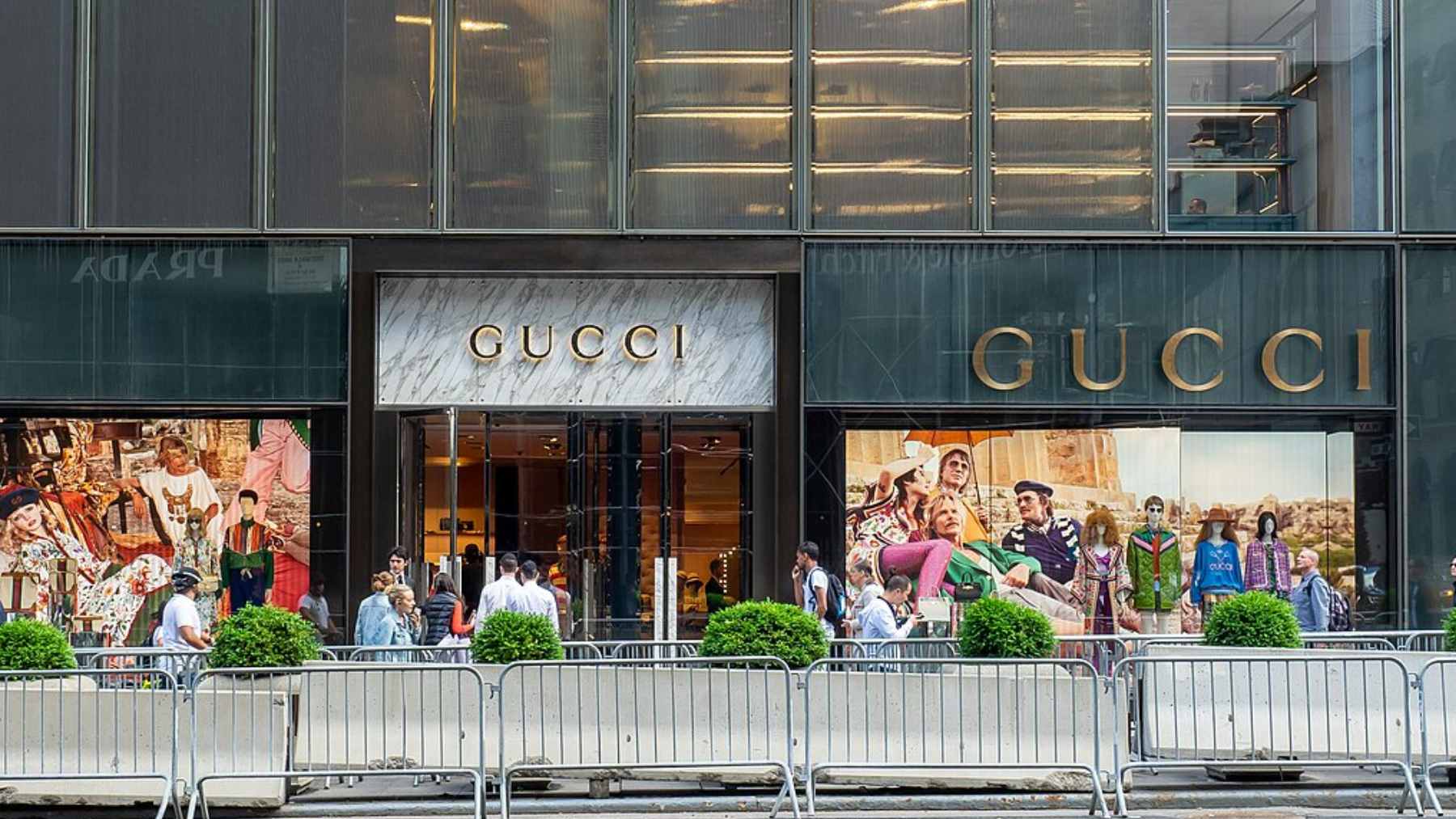
Kering called the quarter an “important first step in our recovery,” but the figures were still weak. Revenue came in at €3.568 billion, down 6% as reported and flat on a comparable basis, while its fashion and leather goods division fell 3% on a comparable basis and Gucci dropped 8%.
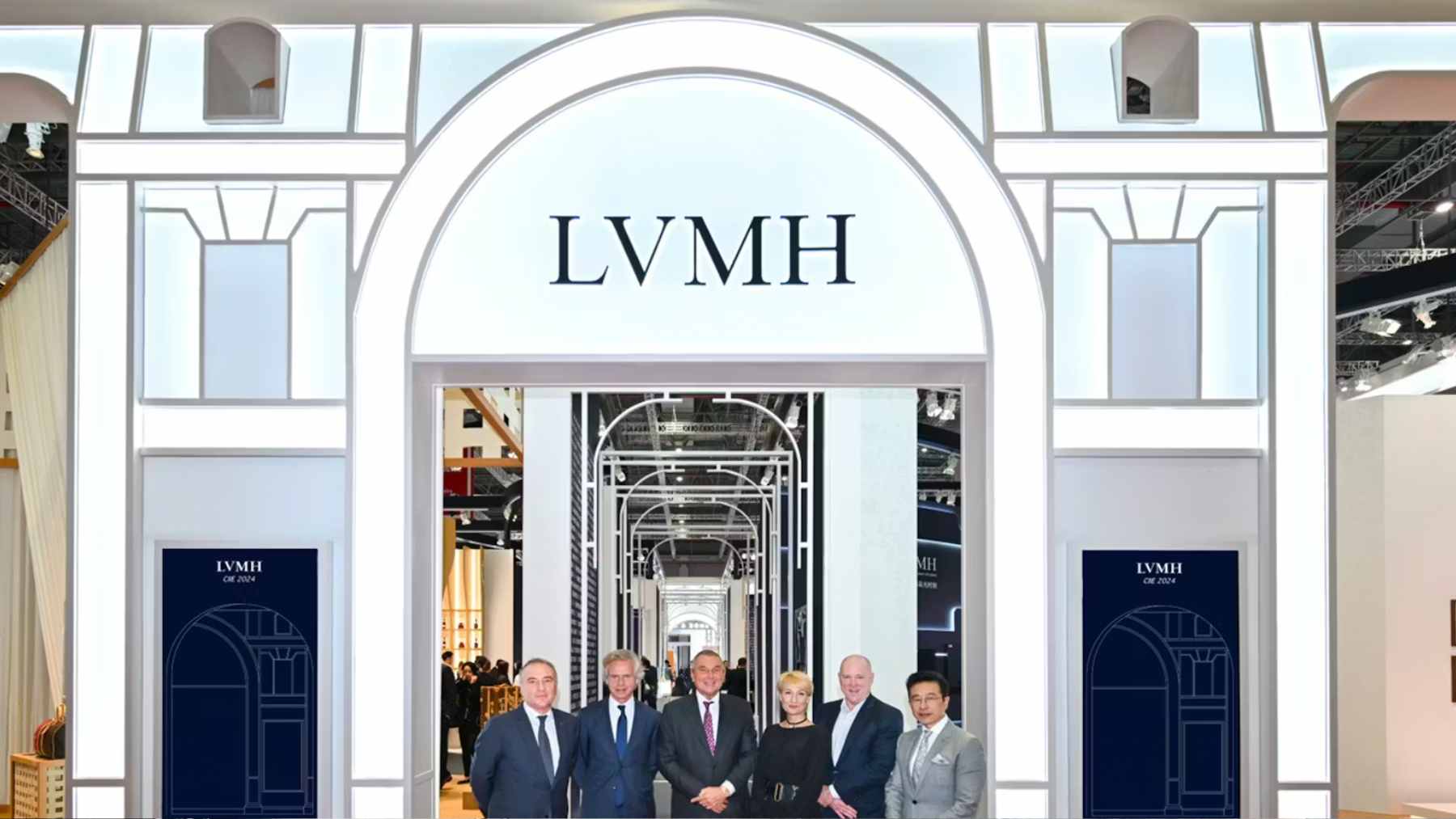
LVMH, for its part, posted €19.1 billion in first quarter revenue with 1% organic growth, but its fashion and leather goods business slipped 2%, and the group said the Middle East conflict shaved about 1% off quarterly organic growth.
Investors got the message right away. Reuters reported that Hermès shares fell as much as 14% and Kering more than 9% after the updates, a sign that traders now see this as a sector problem rather than a single brand problem. When even Hermès disappoints, people pay attention.
Tourism is the real pressure point
Reuters reported that March sales at Dubai’s Mall of the Emirates were down 30% to 50% from a year earlier, while foot traffic fell 15%. Traffic at Dubai Mall was down about 50%, and sales at Abu Dhabi’s Galleria were also lower, showing the shock is wide, not isolated.
Hermès said its wholesale business was hurt by lower sales to concession stores in the Middle East and at airports. Kering said the region accounts for around 5% of its retail revenue, with 79 stores and about 1,100 employees, and first quarter retail sales there fell 11%.
That share may look small, but Reuters noted Dubai is one of luxury’s most lucrative markets because prices are high and taxes are low.
Tourists are not disappearing, they are rerouting. Reuters found summer flight bookings to Spain were up 32% and Portugal 21% as travelers avoided the Middle East, which means spending is moving toward perceived safe havens instead of the hubs luxury brands rely on.
That is bad news for airport counters and shopping streets built around global traffic.
The recovery story is slipping again
This hurts because the bar had already been set. Bain said the personal luxury goods market could grow 3% to 5% in 2026, and BNP Paribas projected 6% organic sales growth for the sector after a flat 2025.
Those targets now look much harder to hit, not necessarily because affluent consumers vanished, but because geopolitics has made travel, confidence, and timing far less predictable.
Oxford Economics estimated that inbound arrivals to the Middle East could fall 11% to 27% this year, which translates into 23 million to 38 million fewer international visitors and a loss of $34 billion to $56 billion in tourist spending. That is a huge hole in the travel economy, and luxury sits right in the middle of it. When airports go quiet, so do a lot of cash registers.
There is also an environmental note buried in these releases. Kering highlighted a third straight CDP Triple A score on climate, water, and forests, while Hermès pointed to new production capacity in France with strong environmental performance.
Those long-term signals still matter, but this week’s selloff showed that investors are focused on disrupted tourism and war risk first, with sustainability taking a back seat for now.
The press release was published on Hermès Finance.