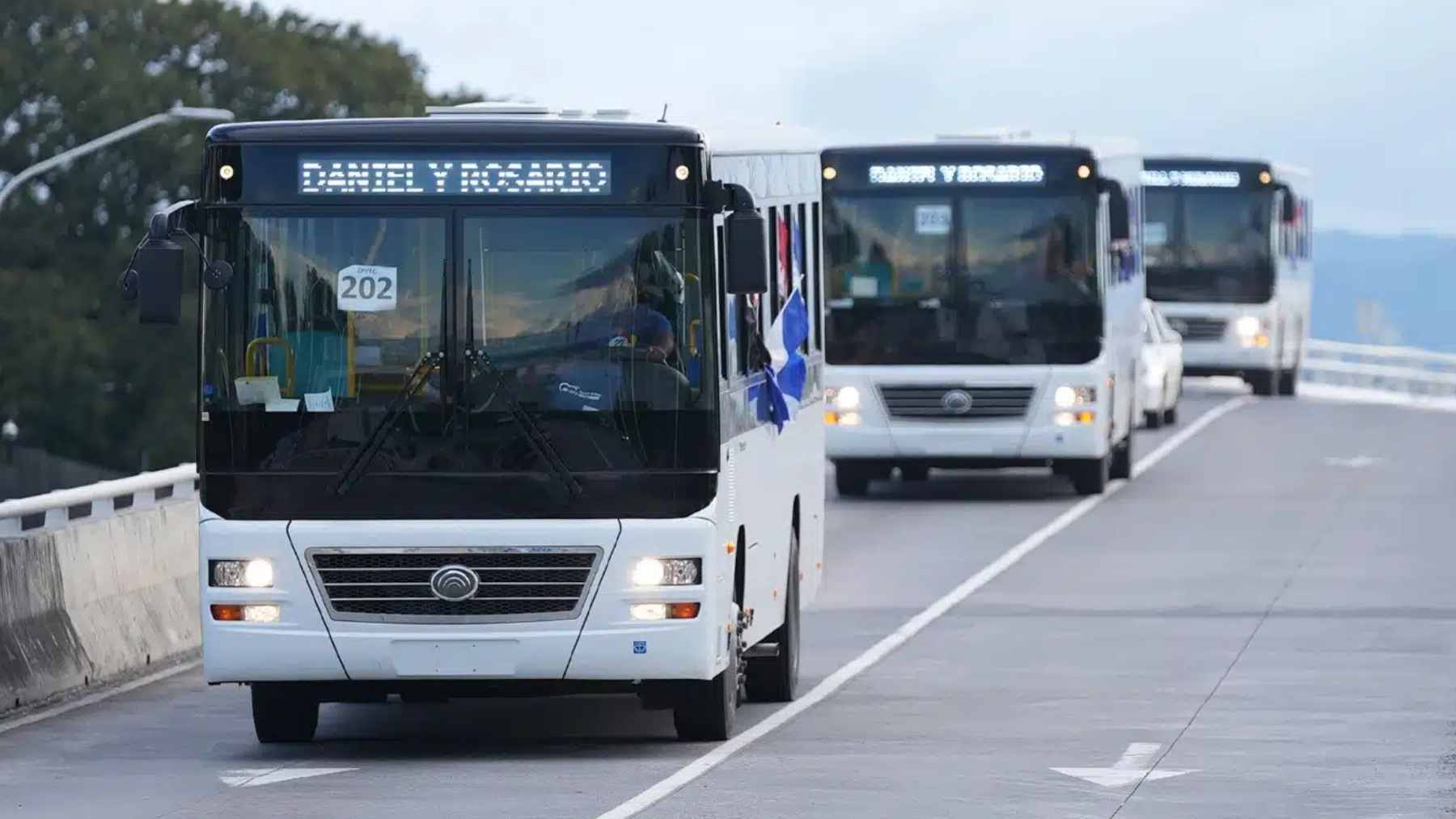
Nicaragua is adding another wave of China-supplied public transport, starting with 180 Yutong buses and microbuses headed to operators across the country. Officials say this is the first step in a plan that targets 600 units over the coming year, which could change how thousands of people get around on an ordinary weekday.
Some headlines make it sound like buses can turn a nation into a superpower. Will a newer bus automatically mean cleaner air? Not necessarily, because cleaner commutes depend on fuel type, maintenance, ridership, and the software quietly running in the background.
A fleet renewal that reaches beyond Managua
State media in Nicaragua reported that co-presidents Daniel Ortega and Rosario Murillo handed over 180 new Yutong units at an event in Managua on February 16. An earlier announcement from Murillo said the batch was expected to arrive February 2 and that 600 units were planned for delivery over the next year.
Distribution matters as much as delivery. One local report said Granada would receive 50 microbuses, Masaya 22, and Chinandega 20, with more units headed to other departments and the Caribbean regions.
There is also a clear push toward built-in safety tech. An El 19 Digital report on the microbuses notes onboard cameras for both the passenger area and the driver.
Cleaner air is possible, but not automatic
Transport is a major climate challenge, and the IPCC estimates it accounts for roughly 15% of total global greenhouse gas emissions. Zoom in further and the IEA puts road sector emissions at just over 6 gigatons of CO2 in 2024.
Here is the twist: the IEA also estimates that buses and two and three-wheelers account for only 7% of road emissions, so buses alone will not solve climate change. But they run where people breathe exhaust fumes, especially in traffic jams.
The World Health Organization links air pollution exposure to about 6.7 million premature deaths each year when ambient and household pollution are combined. If Nicaragua’s new fleet replaces older, high-polluting vehicles and keeps service frequent enough that riders actually use it, local pollution could fall even without full electrification.
The financing behind the fleet affects the climate outcome
Modern buses cost real money, and the structure of the deal shapes what happens later. In September 2025, Nicaragua’s National Assembly reported approving a credit facility with Yutong worth 360 million yuan, about $51.4 million, to supply 539 units that include buses and municipal waste trucks.
That detail matters for the environment because maintenance budgets are where good intentions go to live or die. A bus that is clean on day one can become a smoker a few years later if filters fail, parts are scarce, or repairs are delayed.
For Yutong, Nicaragua is part of a wider export push. The company said it delivered 49,518 vehicles in 2025 and highlighted a 12% fuel consumption reduction for one coach model in the Philippines compared with an earlier generation.
The tech layer inside the “new bus smell”
These vehicles are not just transport, they are data systems on wheels. Yutong’s Link+ fleet management platform is marketed as an operations toolkit for safety monitoring, maintenance, and parts support, and the company says it was operating in 112 countries and serving more than 440,000 vehicles by the end of 2024.
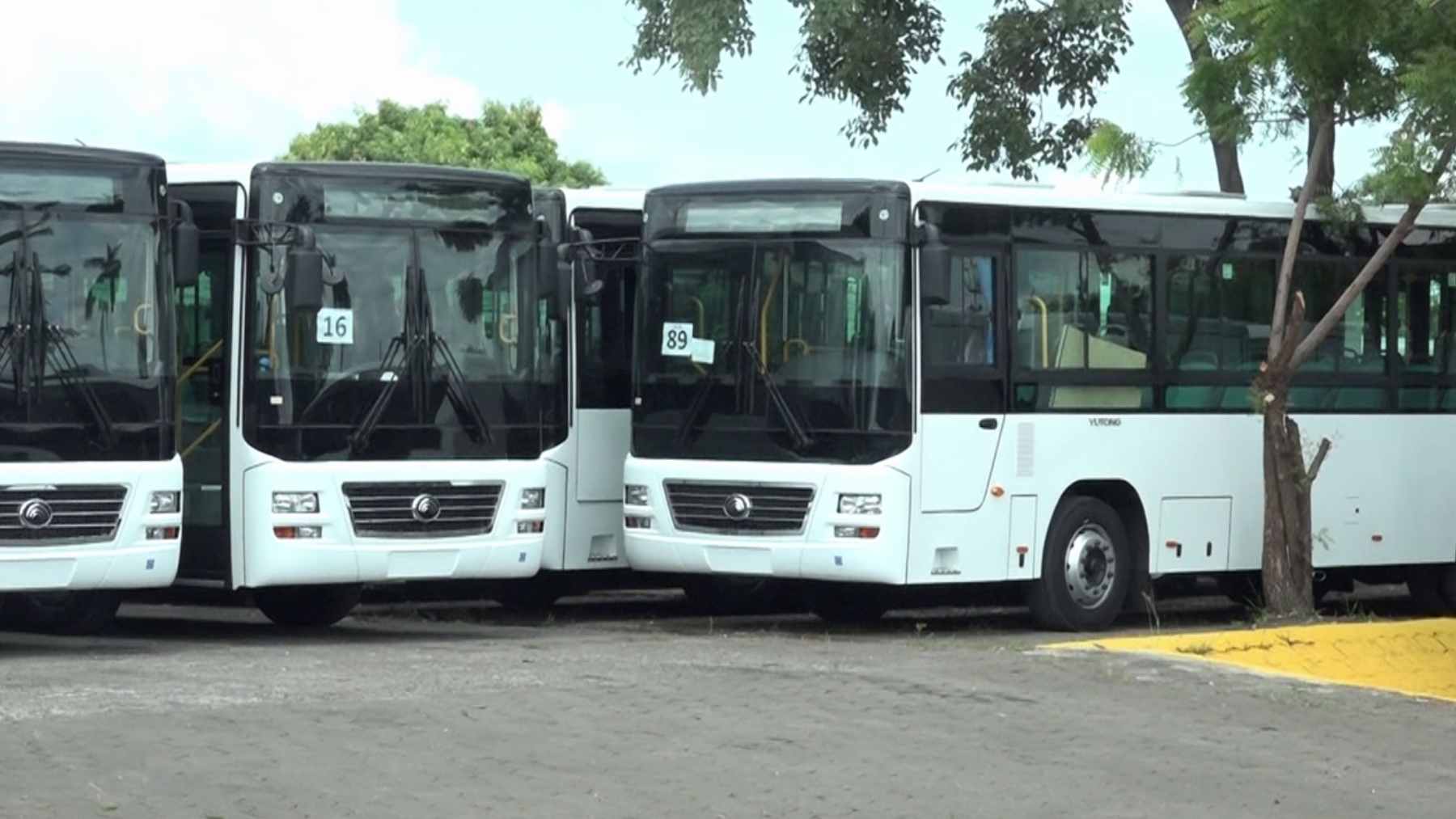
Some functions sound like small conveniences until you manage a large fleet. Link+ promotes remote scheduling of air conditioning settings and location-based charging controls for battery electric vehicles, plus geofencing and speed management, and tools like that can also help manage the depot’s electric bill if buses go electric later.
Air conditioning is also a climate factor people feel in real life. The IEA has warned that energy use from mobile air conditioning could almost triple by 2050 without stronger efficiency policies, so “more comfortable buses” can raise energy demand unless systems are tuned carefully.
A security question that keeps growing
Connected fleets create benefits and risks, and governments are starting to treat vehicle software as a national security issue. U.S. rules published in the Federal Register restrict certain China and Russia-linked software and hardware in connected vehicles under 10,001 pounds, and officials have said they intend to address heavier commercial vehicles next.
Europe has faced similar questions, and the debate is not settled. Yutong has rejected allegations in Norway that its electric buses could be remotely accessed in a way that would enable remote control, calling that scenario technically impossible.
Nicaragua does not need to pick sides to protect itself. It can ask for clear terms on who owns fleet data, where it is stored, how updates are authenticated, and which remote functions are allowed, because buses become critical infrastructure in storms and emergencies.
The official report was published on Canal 4 Nicaragua.