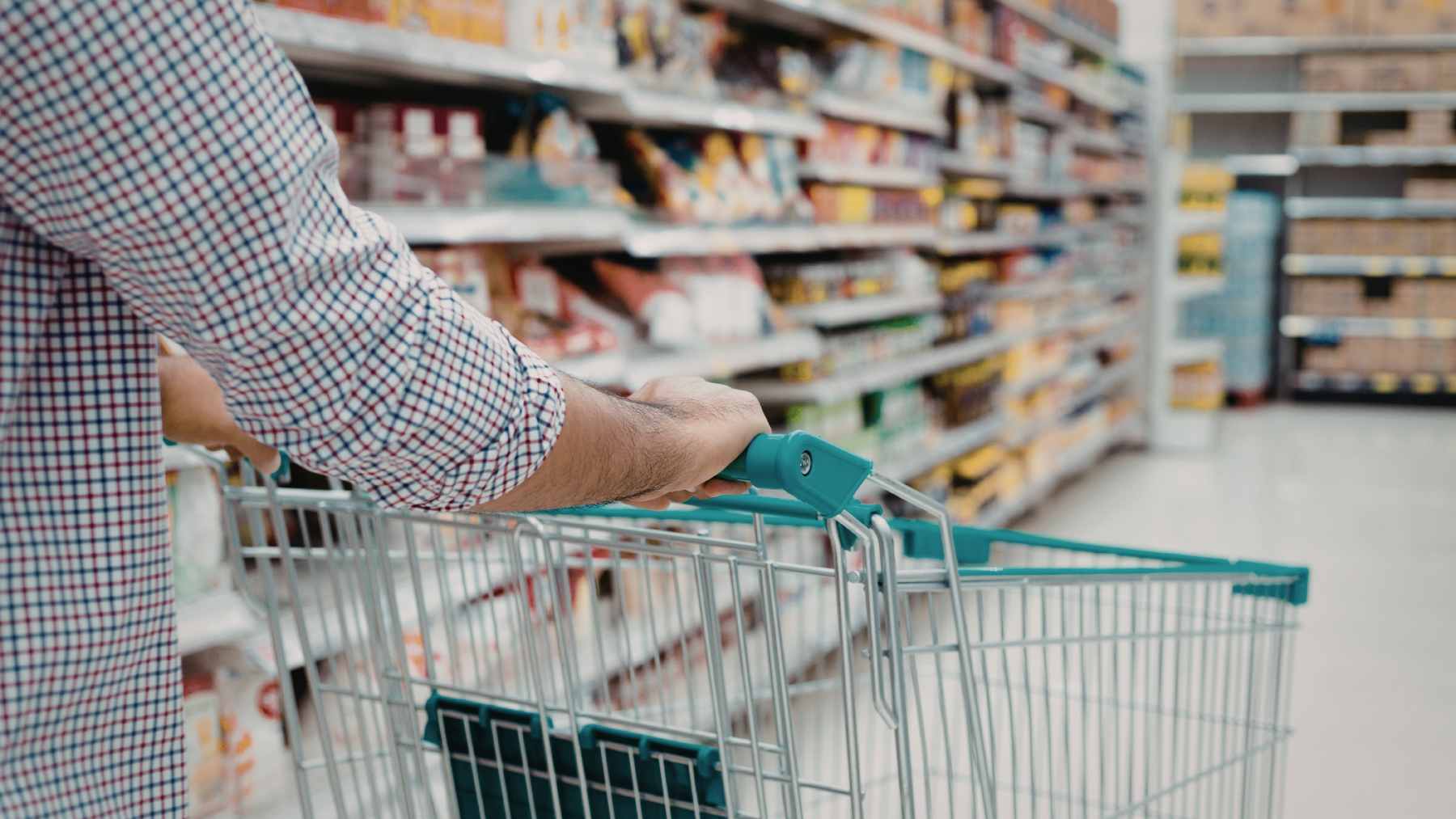
Edmonton’s experiment with single-use plastics just delivered a rare thing in environmental policy: a clear scoreboard. New city data shows the 2023 bylaw helped drive an roughly 80% drop in single-use bag use, a sharp fall that officials largely tie to a simple fee at checkout.
But the same report lands with a warning label. Disposable cups have seen almost no reduction, and takeout containers are climbing fast, which is exactly the kind of “looks small, adds up huge” problem that follows us from coffee runs to office lunches.
The bylaw worked where it had teeth
The City of Edmonton enacted its Single-use Item Reduction Bylaw on July 1, 2023, banning single-use plastic shopping bags and barring foam “Styrofoam” plates, cups, and containers. It also set minimum bag fees of 25 cents for paper and $2 for a new, reusable bag, with businesses keeping the revenue.
So what changed in real life? City officials told council that single-use bag use dropped by about 80% since the bylaw took effect — a shift they link in part to the fee that shows up in your total at the register. Ward O-day’min councillor Anne Stevenson put it plainly, saying the “biggest success is where we’ve added a financial incentive.”
Foodware accessories also moved in the right direction. Under the bylaw, utensils, straws, condiment packets, and napkins are only available by request or self-serve, and drive-thrus must ask customers if they want them. City data shows those items fell by 27%.
Cups are the stubborn outlier
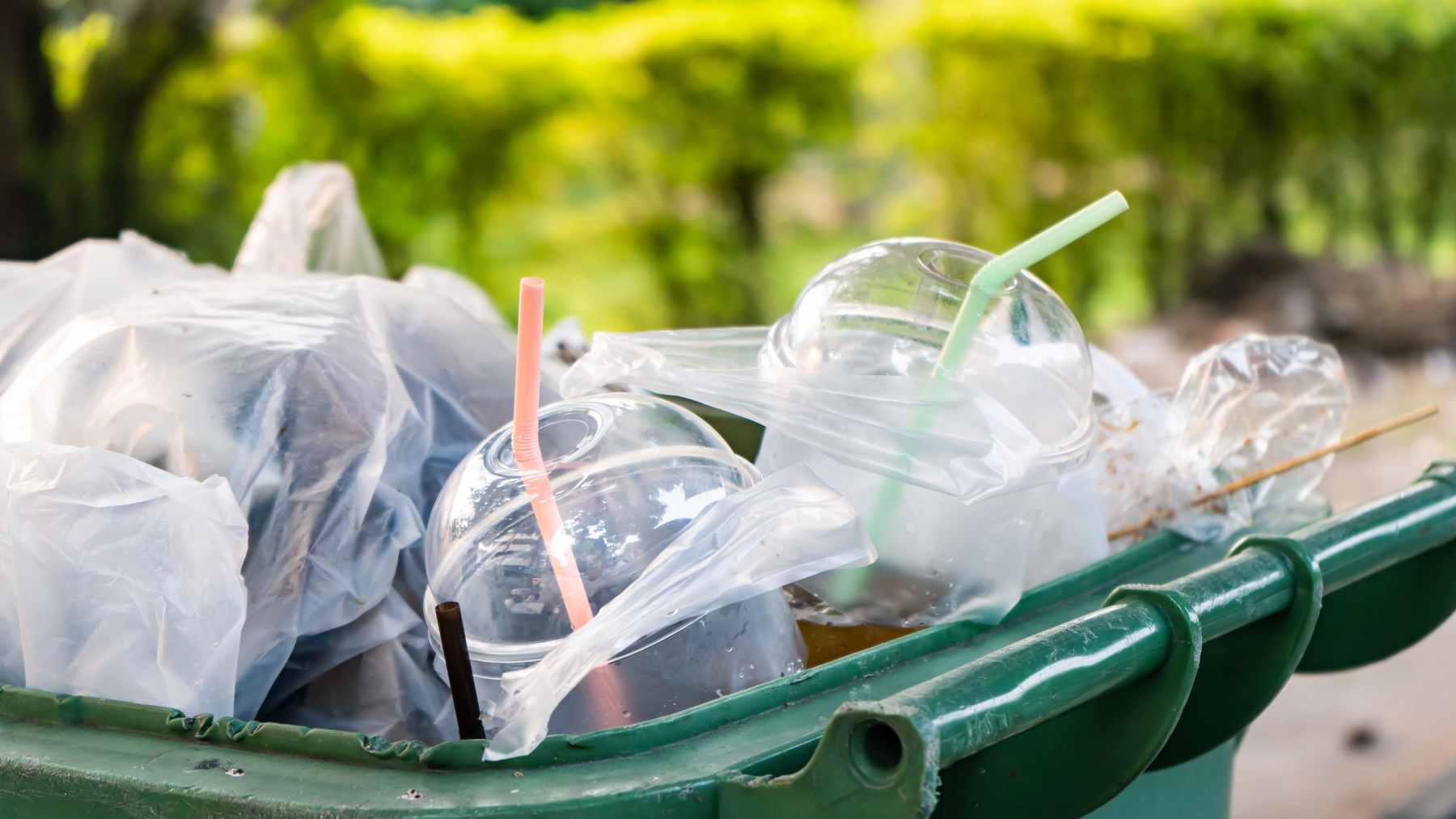
If you feel like cups are everywhere, you are not imagining it. Global News notes disposable cups are described as one of the most common pieces of litter found in Edmonton, yet the city is seeing almost no reduction so far.
That is not because the city ignored cups. Edmonton’s bylaw framework says restaurants are expected to serve dine-in drinks in reusable cups and must have a written policy for accepting reusable customer cups, while drive-thrus are encouraged, but not required to accept them.
The harder truth is that habits are sticky when the “default” stays convenient. A bag fee hits you every time you forget your tote, but a cup only becomes a decision when a business makes it feel normal to bring one, or when a price signal nudges the choice.
Takeout containers are rising with modern convenience
The biggest red flag in the data is not a bag or a straw, it is the packaging that comes with dinner. The city’s update says takeout containers increased 74% since the rules were introduced.
That spike matters because it points to a larger trend that local rules cannot ignore. Delivery and carry-out have become the everyday answer on busy nights, and the container is now baked into the “cost of convenience,” even if you never see that cost until trash day.
This is where policy gets tricky. Edmonton’s bylaw was designed to reduce the total number of single-use items, not just swap plastic for paper, but takeout packaging is a system problem that crosses restaurants, delivery platforms, and customer routines.
Business and tech are already testing a way out
On paper, there is a business case for reuse that goes beyond good PR. Edmonton says serving dine-in beverages in reusable cups can save businesses about 20 cents per beverage served, which adds up fast for high-volume coffee and fast-casual chains.
Tech is starting to make reuse less awkward, which is the real barrier. Starbucks, for example, has tested “Borrow A Cup” models that let customers take a reusable cup and return it to dedicated bins, aiming to lower the friction of remembering your own cup.
Outside coffee shops, the same idea is spreading through tracking and deposit systems. Reusable cup ecosystems are increasingly paired with RFID or app-based tracking so operators can manage inventory and returns, including event-focused systems that refund deposits when cups are returned.
Defense supply chains face the same plastic math
It is easy to treat single-use waste as a “city problem,” until you look at how large institutions operate. A 2024 U.S. Government Accountability Office report says the Department of Defense had not taken actions directly in response to instructions tied to reducing single-use plastics, and officials cited basic hurdles such as how to identify single-use plastics and measure reductions
The GAO lays out where single-use plastics show up in defense operations, including commissaries, dining facilities, logistics packaging, and hospitals. In other words, it is the same mix of bags, to-go containers, and packaging that shows up in civilian life, just multiplied across bases and global supply chains.
That overlap is the bigger lesson from Edmonton’s results. The places that make progress are the ones that define the problem clearly, measure it, and then change the default, whether that default is a grocery bag or a disposable fork in a cafeteria line.
What to watch next in Edmonton and beyond
Edmonton officials are already signaling the next debate will be about cups and takeout containers, starting with education and possibly stronger steps if behavior does not change. Mayor Andrew Knack summed it up by saying the city is “looking at the cups and our new takeout containers,” adding that education comes first but other action may be needed.
For readers, the key question is not whether bag bans “work,” because the data suggests they do when paired with fees. The real question is whether cities can scale that success to the packaging tied to takeout culture without simply pushing people into new kinds of waste that look greener but behave the same in landfills.
At the end of the day, the most useful signal to follow is the one Edmonton is using now, hard numbers pulled from what ends up in the trash.
The official report was published on U.S. Government Accountability Office.