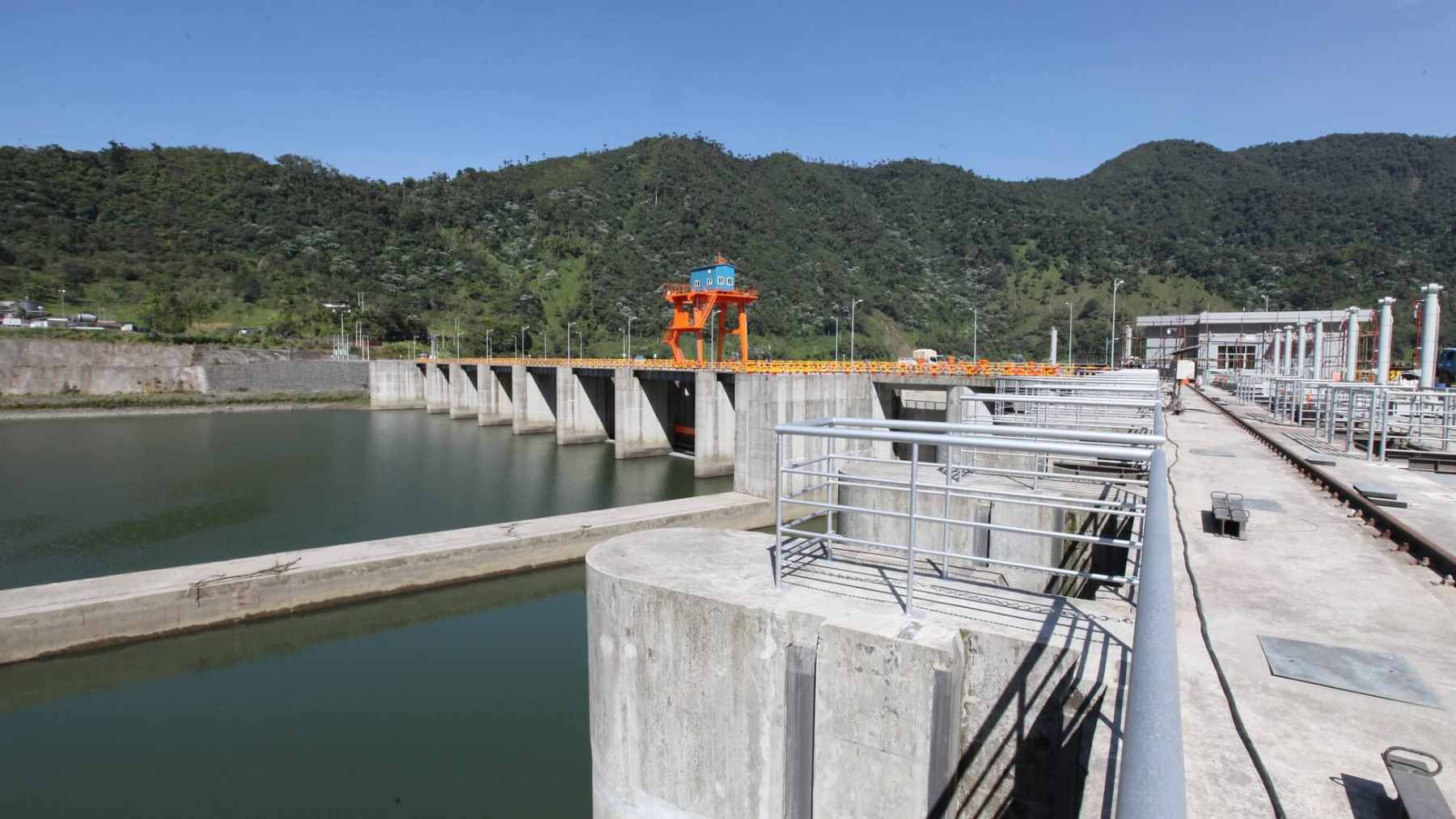
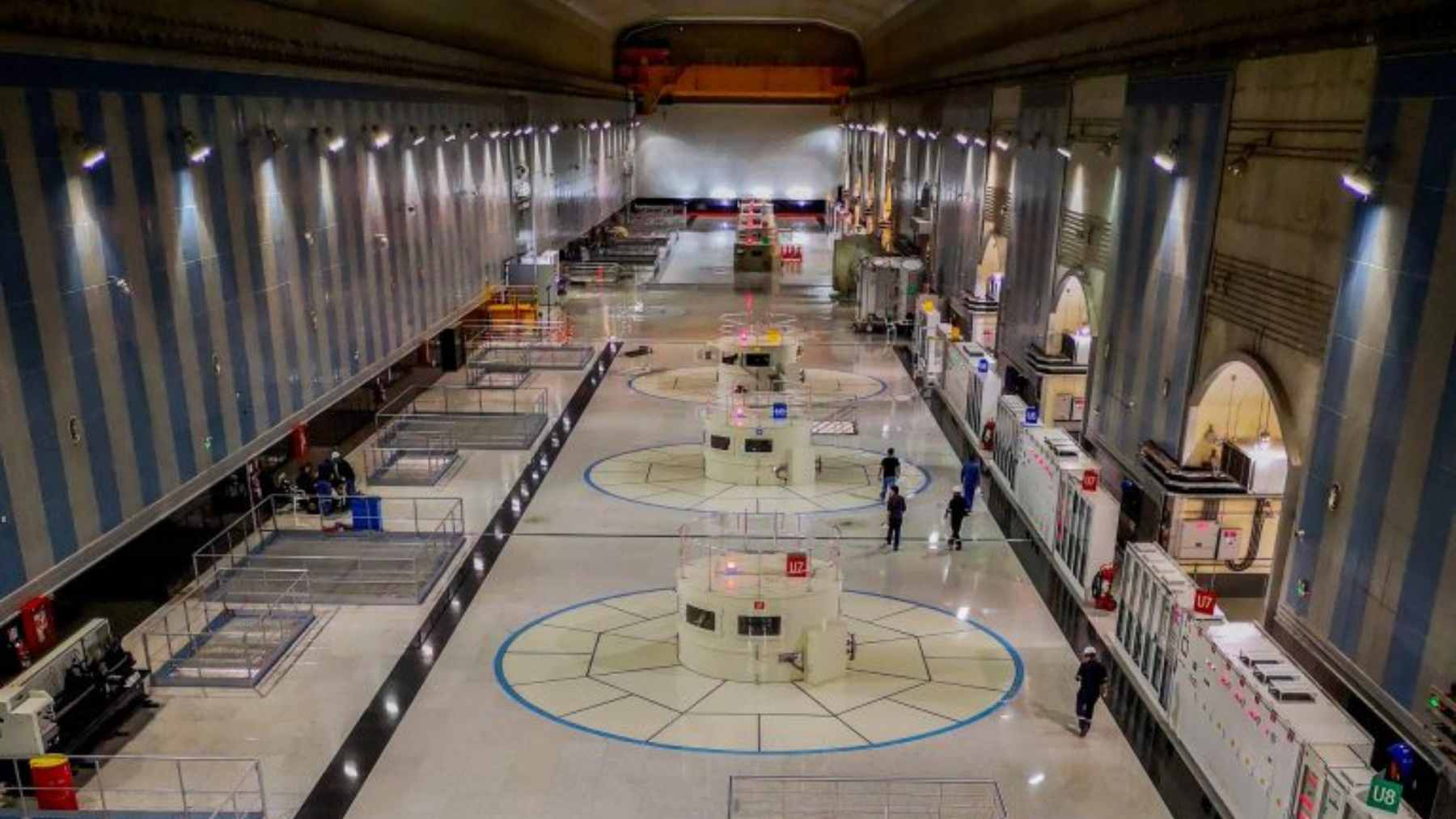
Ecuador is preparing to transfer the operation and maintenance of the Coca Codo Sinclair hydropower plant to China’s PowerChina for 25 years under a $400 million arbitration settlement, while the state keeps ownership of the facility.
That is a huge shift for a project that supplies roughly 30% of Ecuador’s electricity and sits at the center of the country’s push for energy security.
So, is this a win for clean energy or a warning label? It is both. Coca Codo Sinclair is not only about low-carbon megawatts, it is also about cracks, a fast-changing river system, and the kind of climate-driven drought that can still leave entire cities rationing power.
A $400 million reset
The core of the agreement is straightforward on paper. Ecuador will hand PowerChina the administration, operation, and maintenance of the 1,500-megawatt plant for 25 years, and in return Ecuador will receive $400 million while retaining ownership.
Deputy Minister Javier Medina said the settlement includes $200 million in cash and $200 million for generation projects, and he floated a fixed operating payment that could be around $60 million annually. CELEC has also described the same $400 million total, with half as cash and half as investment in renewable generation projects for Ecuador.
For households and businesses, the logic is easy to understand. If the plant runs reliably, Ecuador can lean less on stopgap options when demand surges or rainfall disappoints, which is usually when the electric bill and the stress both start climbing.
But the country’s recent experience shows how fragile that comfort can be when hydropower dominates the mix.
Cracks and accountability
Coca Codo Sinclair’s mechanical problems have been documented for years, and they helped turn a technical argument into a legal one. Ecuador’s comptroller general said an audit identified 7,648 fissures in key components, and alleged the contractor used non-certified materials and failed to apply adequate quality control and welding procedures.
Those findings fed into the dispute that ended up in international arbitration. Reuters reported that CELEC initiated arbitration in 2021 over cracks and technical failures, and in 2025 Energy Minister Ines Manzano said the parties had reached an agreement “to leave the arbitration.”
Now Ecuador is effectively betting that the builder’s corporate family can keep the plant stable over decades, not just years. Reuters also reported the Chinese operator would be responsible for repairing failures, which matters because every major repair is not just a maintenance issue, it is a reliability issue.
And hovering over all of it are governance risks, including a Reuters report that a judge ordered former president Lenín Moreno to stand trial over alleged bribery linked to the project’s construction, allegations he has denied.
When the river moves
Even a perfectly built turbine cannot solve a river that is rewriting its own channel. On Feb. 2, 2020, Ecuador’s San Rafael waterfall disappeared after a collapse altered the Coca River’s bed, triggering regressive erosion that has been marching upstream.
USGS warns the valley has been eroding catastrophically, causing landslides and infrastructure damage, and says the hazard threatens about $3 billion in Ecuadorian infrastructure, including Coca Codo Sinclair.
As of a January 2024 visit, USGS put the erosion front about 4 miles downstream of the plant’s intake, while also pointing to sediment accumulation as an additional risk for hydropower operations.
This is where defense-style logistics and environmental science end up in the same room.
Oak Ridge National Laboratory researchers and partners used drones to map a previously unmapped stretch of the Coca River, creating high-resolution imagery to improve engineering models, and ORNL notes the field planning echoed military mission operations due to the difficulty and speed required.
The new checklist for clean power
The tech response is not just drones, it is also satellites and long-term monitoring. A 2024 peer-reviewed study summarized by Ecuador’s ESPOL used remote sensing to evaluate land and riverbank changes around the Coca River and argued for constant satellite monitoring to strengthen environmental protection and risk management as erosion accelerates.
Then there is cybersecurity–the part most people never see until something goes wrong.
Hydropower plants depend on industrial control systems, and the International Energy Agency has warned that full prevention of cyberattacks is not possible, which is why electricity systems have to be designed to withstand incidents and recover quickly while keeping critical services running.
At the end of the day, “energy independence” is starting to mean more than building big assets.
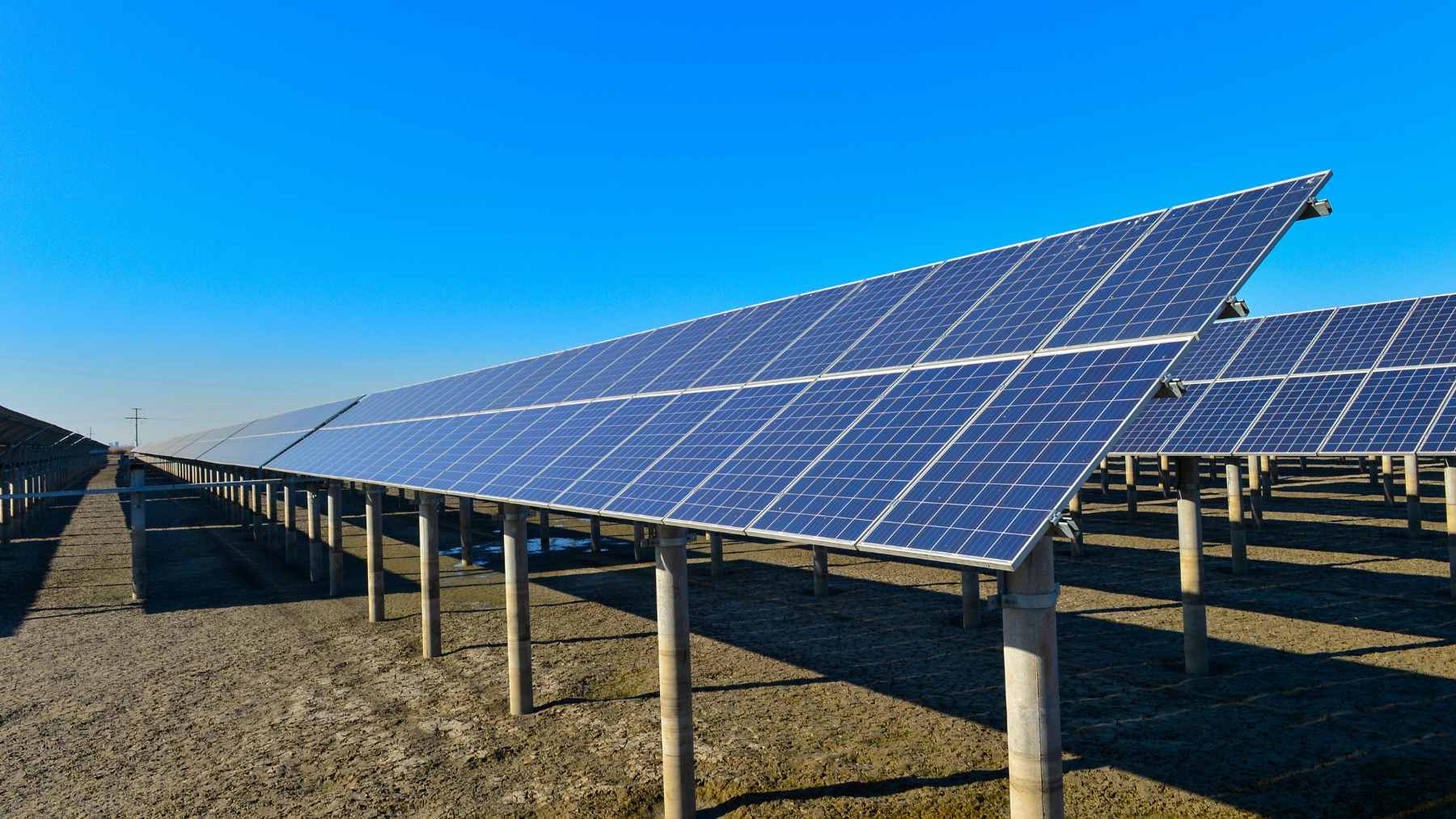
Research on Ecuador’s 2023 to 2024 energy crisis points to diversification with wind and solar as a way to reduce drought-driven power shocks, and that is exactly the kind of resilience money that could matter when part of a settlement is earmarked for new generation projects.
The official statement was published on CELEC EP.