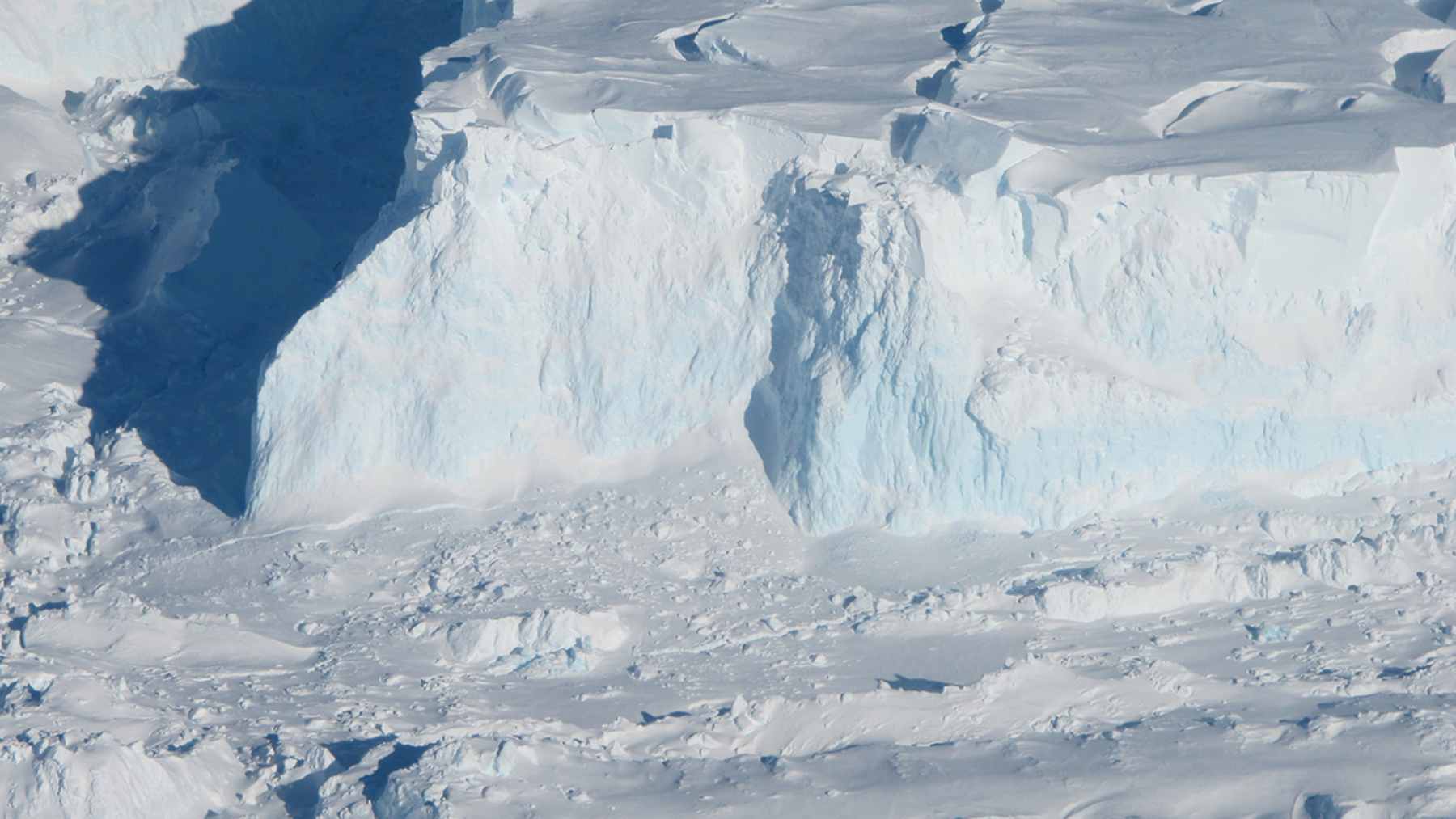
Thwaites Glacier in West Antarctica has a nickname that sticks. The “Doomsday Glacier” is already adding to sea level rise, and scientists are still learning how quickly it can shift. What happens if the ice starts changing faster than coastal cities can rebuild?
Now researchers and engineers are floating a literal idea to buy time. They want to block warm ocean water from reaching the glacier’s underside using a flexible, seabed anchored underwater curtain about 150 meters tall that could stretch about 50 miles.
It would not “solve” climate change, but it could buy time while countries cut emissions and shore up coastlines.
Why Thwaites matters far beyond Antarctica
Thwaites is vast, roughly the size of Florida or Great Britain, and the Seabed Curtain Project says current ice loss from the glacier contributes around 4% of global sea level rise. Think flood insurance quotes, higher high-tide flooding, and more detours on the way to work.
If Thwaites collapsed completely, global sea level could rise about 65 centimeters, according to the International Thwaites Glacier Collaboration. The same scientific summary also warns that rapid ice loss could accelerate further and raise longer-term risks for parts of the West Antarctic Ice Sheet.
A curtain instead of a concrete wall
The core concept is surprisingly simple to explain. Warm, dense seawater reaches the grounding zone, the point where the glacier lifts off the seabed and starts floating. The proposal is to put a barrier in the way so less warm water reaches that vulnerable underside.
The curtain would be buoyant and flexible, anchored to the seafloor and rising through the water column. A feasibility study puts the build cost at roughly $40 billion to $80 billion, with $1 billion to $2 billion a year in maintenance, and it says this would take years to test and build.
The researchers argue that flexible panels could bend and slide under impacts, and that detachable curtains could be repaired or removed if something unexpected happens. Basically, it is a giant doorstop for a warm current.
The technology exists, but Antarctica is a brutal test site
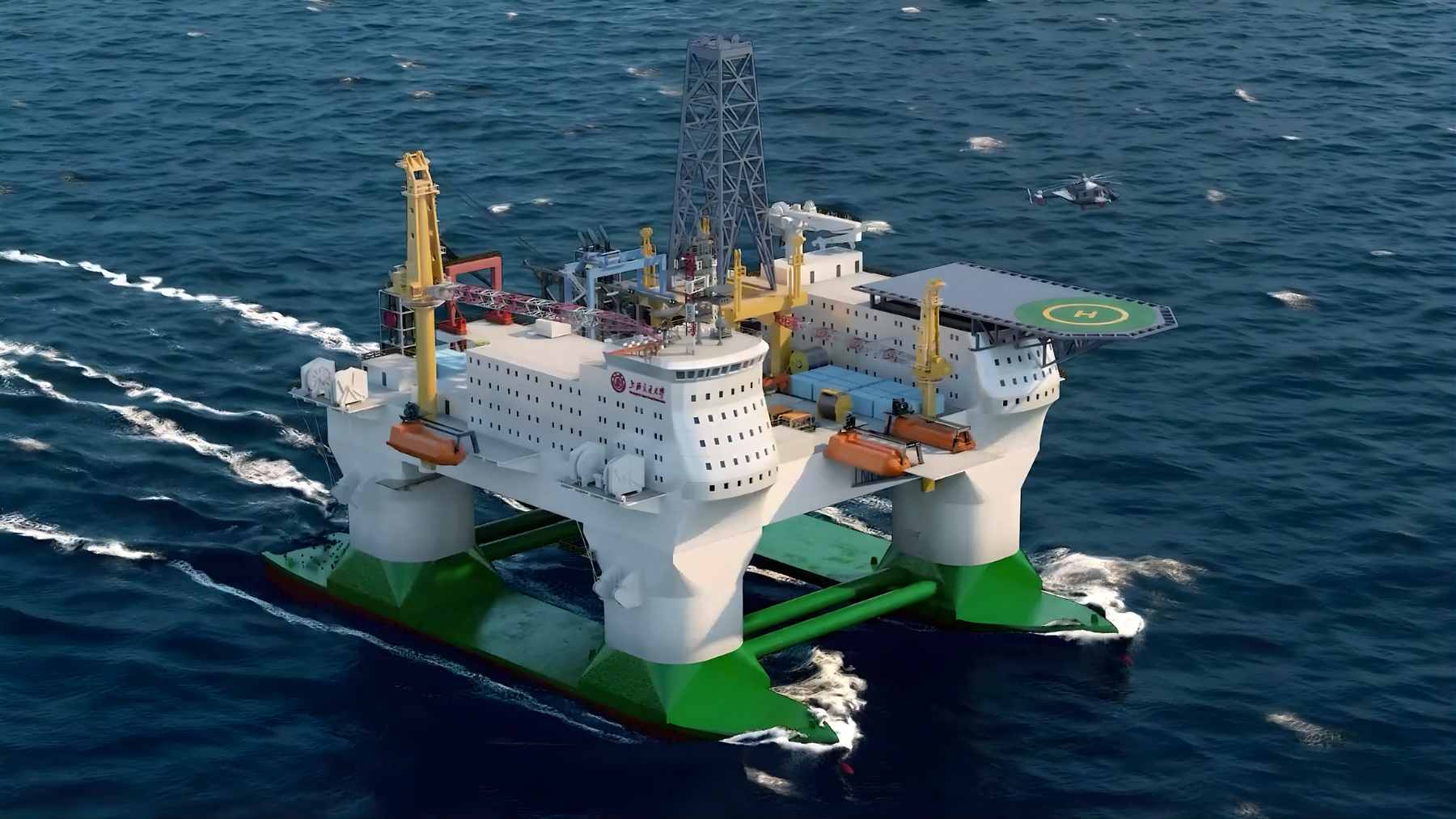
On paper, much of this looks like offshore construction, not science fiction. The feasibility study notes that pipelines, heavy foundations, and remotely operated submersibles already work in deeper water than the Thwaites region would require.
But polar conditions change the rules. Icebergs, short work seasons, and harsh weather are not side issues, and the study points to the need for specialized icebreakers and ice-reinforced, heavy-lift ships. Getting crews and gear there is its own battle.
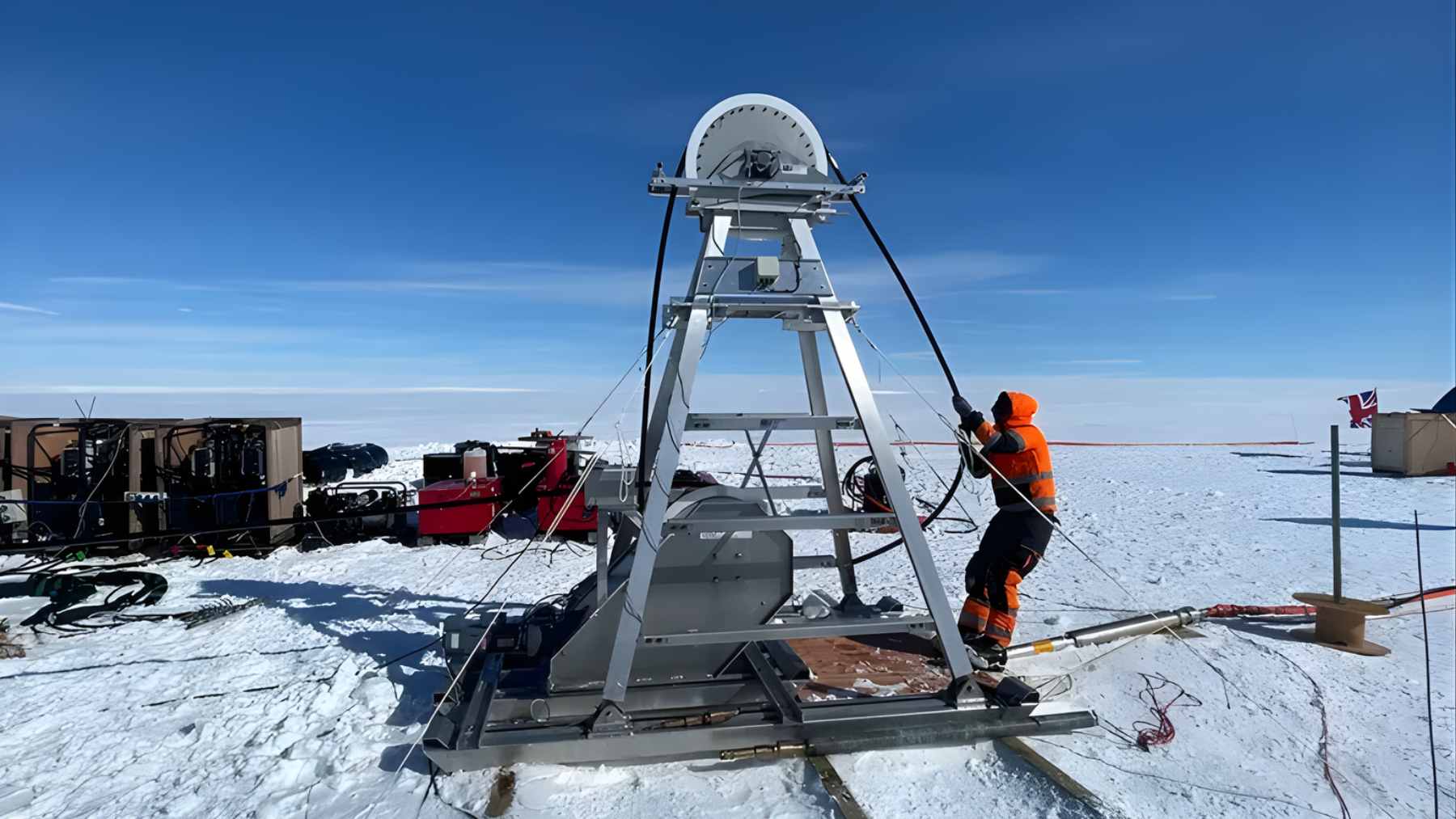
Scientists are also still trying to measure what is happening under the ice. In a January 2026 update, the British Antarctic Survey described drilling about 1,000 meters through the ice to place instruments near the grounding line and send daily data back via Iridium satellites for at least a year.
One researcher called it “critical for understanding how fast sea levels could rise.”
The business case is really about risk, not romance
A project priced in the tens of billions is hard to imagine until you compare it with the alternative. The same feasibility study points to coastal protection costs in the tens of billions per year, with losses and adaptation bills that land on ports, power plants, road networks, and the buildings people live and work in.
There is also an industrial story here that feels very 2026. Aker Solutions, a major engineering firm with roots in the energy sector, has publicly said it is exploring glacier protection concepts and framed it as a way to apply offshore experience under a “do no harm” ethos. Climate adaptation is becoming an engineering services business.
Of course, big spending does not guarantee big results. The curtain idea is meant to reduce warm water access and strengthen ice shelf buttressing over time, not to reverse warming oceans overnight. That is why the proposal is often framed as buying time, not replacing emissions cuts.
Why defense planners are watching sea level rise
Sea level rise is not just a coastal city problem, it is an infrastructure problem for militaries, too. A US Department of Defense report to Congress found recurrent flooding to be a leading vulnerability across dozens of mission priority installations, and it notes that gradual sea level change can magnify storm surge and lead to permanent inundation.
The same report points to high flood vulnerability in the Hampton Roads region and describes sea-level rise measured at Joint Base Langley Eustis since 1930. When runways, fuel depots, and access roads flood, readiness becomes a climate story whether anyone likes it or not.
What to watch next if this idea keeps gaining traction
First, the science is getting sharper, and that affects the urgency of every engineering discussion. In March 2026, an ESA Earth observation update said adding satellite altimetry to model calibration can make forecasts much more accurate, and it warned that Thwaites losses could remain very high over coming decades.
Second, governance is going to matter as much as materials and moorings, because any intervention near Antarctica raises questions about environmental side effects and international oversight.
The study was published on EO Science for Society.