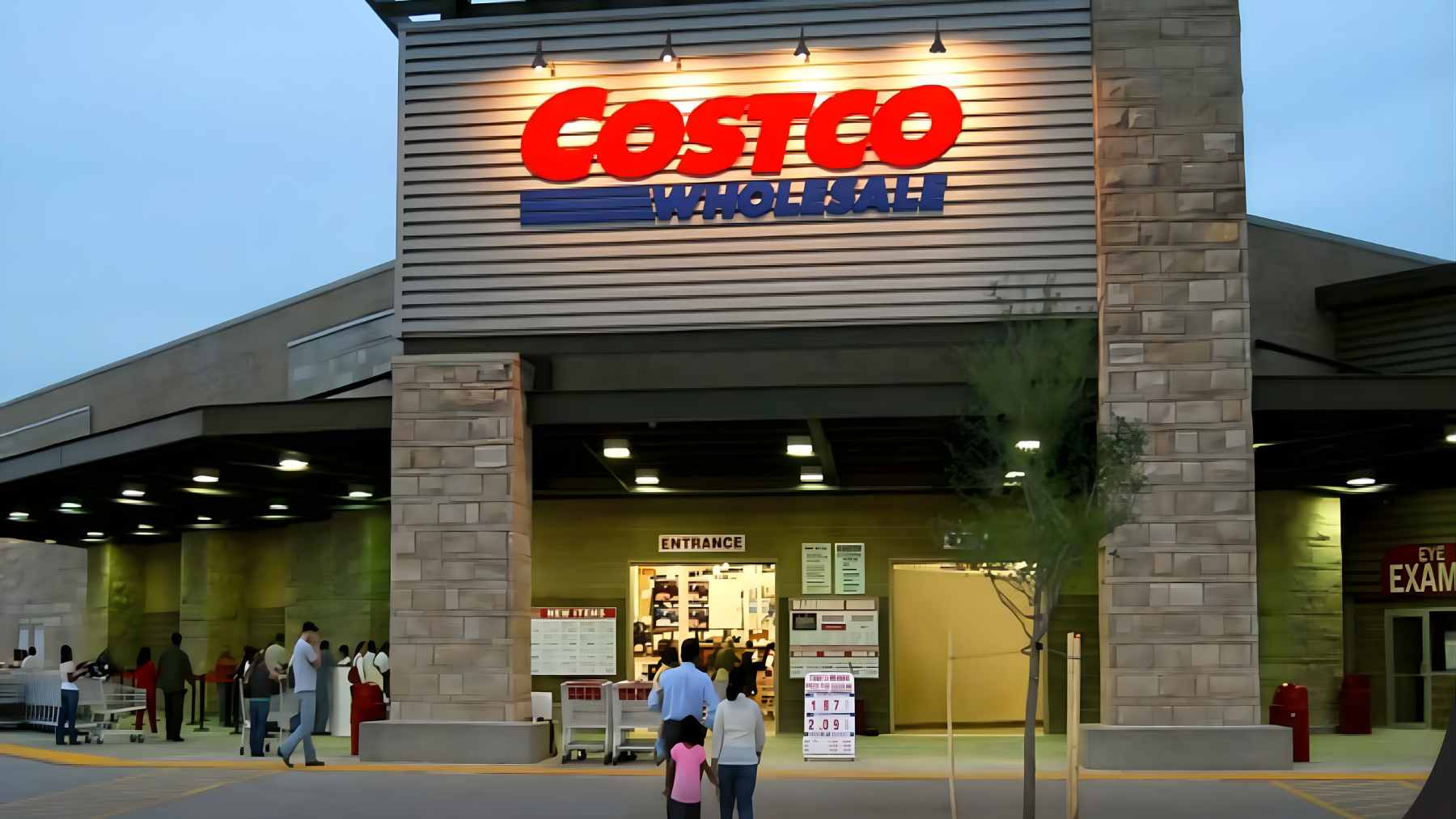
Costco is facing a new class-action lawsuit in California over how it warns members about automatic renewals, and the case is turning a routine $65 charge into something bigger. At its core, the complaint argues that the retailer’s timing and wording left customers without the clear, legally required heads-up they needed to cancel before being billed.
It sounds like small potatoes, until you zoom out. Auto-renew subscriptions are now baked into how we pay for everyday life, including services tied to the environmental transition like EV charging plans, home energy monitoring, and even “clean power” add-ons.
When people feel trapped by renewal systems, trust drops fast, and that can ripple into the climate economy that increasingly runs on recurring billing.
What the lawsuit alleges
According to reporting by Scripps News, plaintiff Russel George claims Costco did not follow California’s rules that require renewal notices within a specific window for annual memberships.
The lawsuit points to notice timing that was allegedly too early, plus notices that did not include all the information the law expects consumers to receive before an automatic charge hits.
The complaint also frames the harm in a familiar way. George says he did not use his membership enough to justify keeping it, and that he would have canceled if the notice had arrived in the legally compliant way, before the renewal went through. Costco has been contacted for comment, but no public response is included in the Scripps report.
California’s timing rule in plain English
California’s Automatic Renewal Law is unusually specific about “when” and “how” businesses must remind customers, especially for subscriptions with an initial term of a year or longer. The statute says that in that situation, notice must be provided at least 15 days and not more than 45 days before the subscription renews.
It also pushes companies toward practical cancellation. The law requires businesses to provide straightforward cancellation options, and it includes language aimed at preventing companies from forcing consumers into harder cancellation channels than the ones used to sign up.
In other words, the path out should not feel like a maze when you are just trying to stop an automatic charge.
Why a membership email matters for the environment
So what does a renewal notice have to do with ecology? More than it seems, because the modern “subscription everything” model is now a delivery vehicle for environmental products and services, from smart thermostats to solar monitoring dashboards. If consumers start assuming renewal systems are designed to catch them off guard, they become more hesitant to try new programs, even the ones meant to help cut emissions.
There is also the physical side of the story, not just the digital one. The U.S. Environmental Protection Agency estimates containers and packaging accounted for 82.2 million tons of municipal solid waste generation in 2018, about 28.1% of total generation.
That is the mountain of boxes, wrap, bottles, and trays that shows up in the recycling bin, the trash can, or both.
Costco’s climate promises meet consumer trust
Retailers sit right in the middle of that packaging and consumption reality, and Costco has its own public climate targets.
On its climate and energy page, Costco says it is committed to operating with electricity from 100% clean energy sources by 2035, including from more than 120 on-site solar systems. It also lists a goal of a 39% absolute reduction in operational emissions by 2030 compared to a 2020 base year.
Those goals are not just marketing, they are operational projects that require planning, capital, and a long runway. But for the most part, big sustainability efforts depend on steady customer relationships and predictable revenue, which is exactly why subscription-style billing and membership fees matter.
If the “set it and forget it” billing model starts feeling like a trap, it gets harder for any large organization to ask customers to trust its sustainability commitments.
Subscription tech is spreading into defense procurement
This is not only a consumer retail issue, either. U.S. government buying is also shifting toward cloud-delivered tools, and the General Services Administration has put out guidance explaining that Software as a Service is a cloud-based method of software delivery and licensing, “commonly on a subscription basis.”
Defense procurement is moving in the same direction, with the Pentagon openly treating software as central to modern capability.
ADefense News report on a 2025 memo described the push to use theDepartment of Defense Software Acquisition Pathway more consistently, noting that dozens of programs already use it and that leaders view “software defined warfare” as today’s reality.
Different rules apply to government contracts than consumer subscriptions, but the pattern is similar: recurring services are becoming the default, and managing renewals well is becoming part of readiness and resilience.
What happens next
George’s case against Costco is set for a preliminary hearing in June, and the outcome will depend on what the court decides about the notice details and how the law applies to Costco’s membership process.
For shoppers, the practical takeaway is simple and a little boring, which is exactly the point. Watch for renewal emails, check what is on autopay, and do not assume a familiar brand means the fine print is always perfectly executed.
For businesses, especially those selling climate-focused subscriptions, the lesson is even clearer. Compliance is not just a legal checkbox, it is the trust layer that keeps people willing to sign up for the next clean energy service that promises to lower the electric bill and cut emissions at the same time.
The official statement was published on Federal Register.