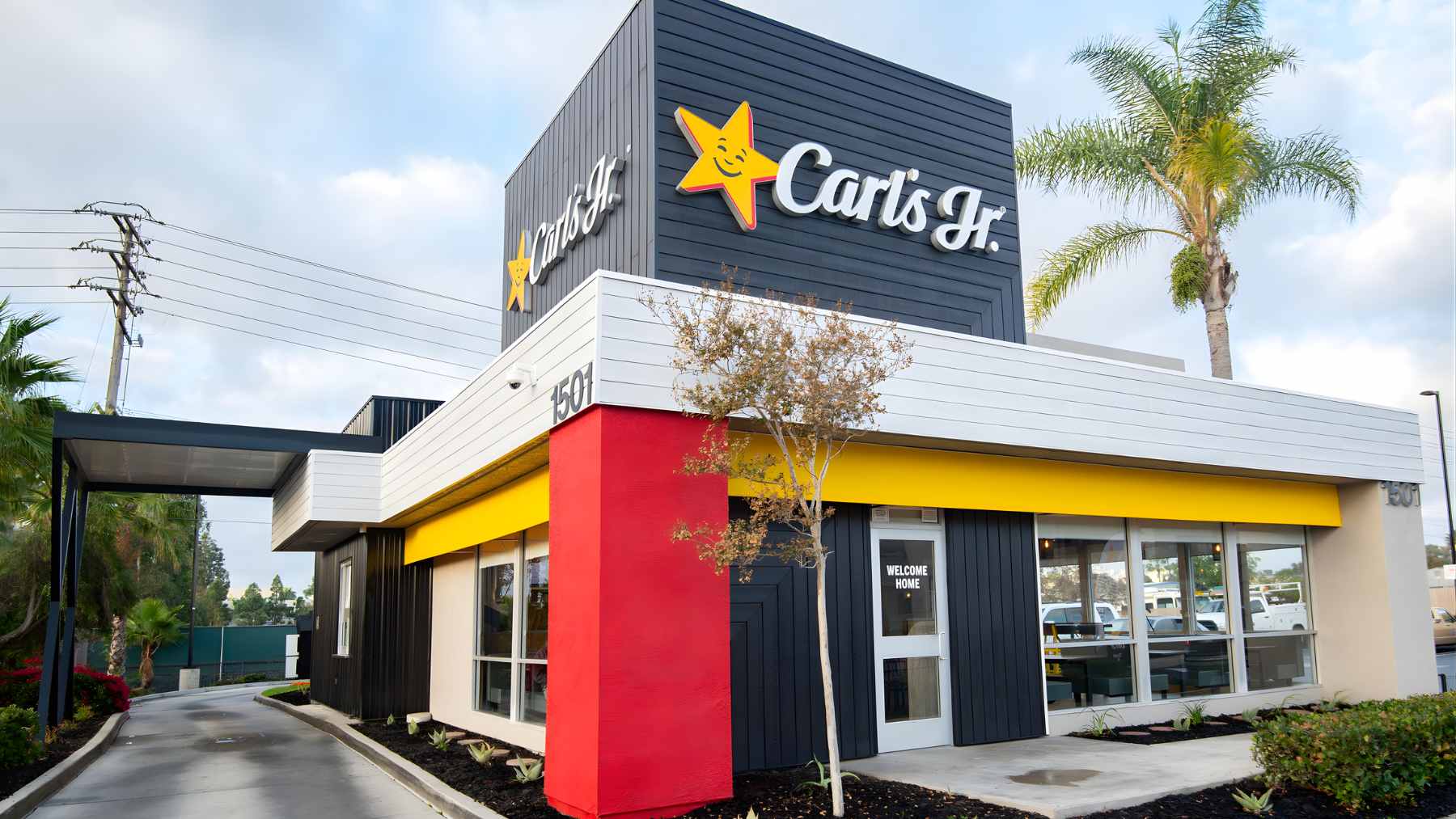
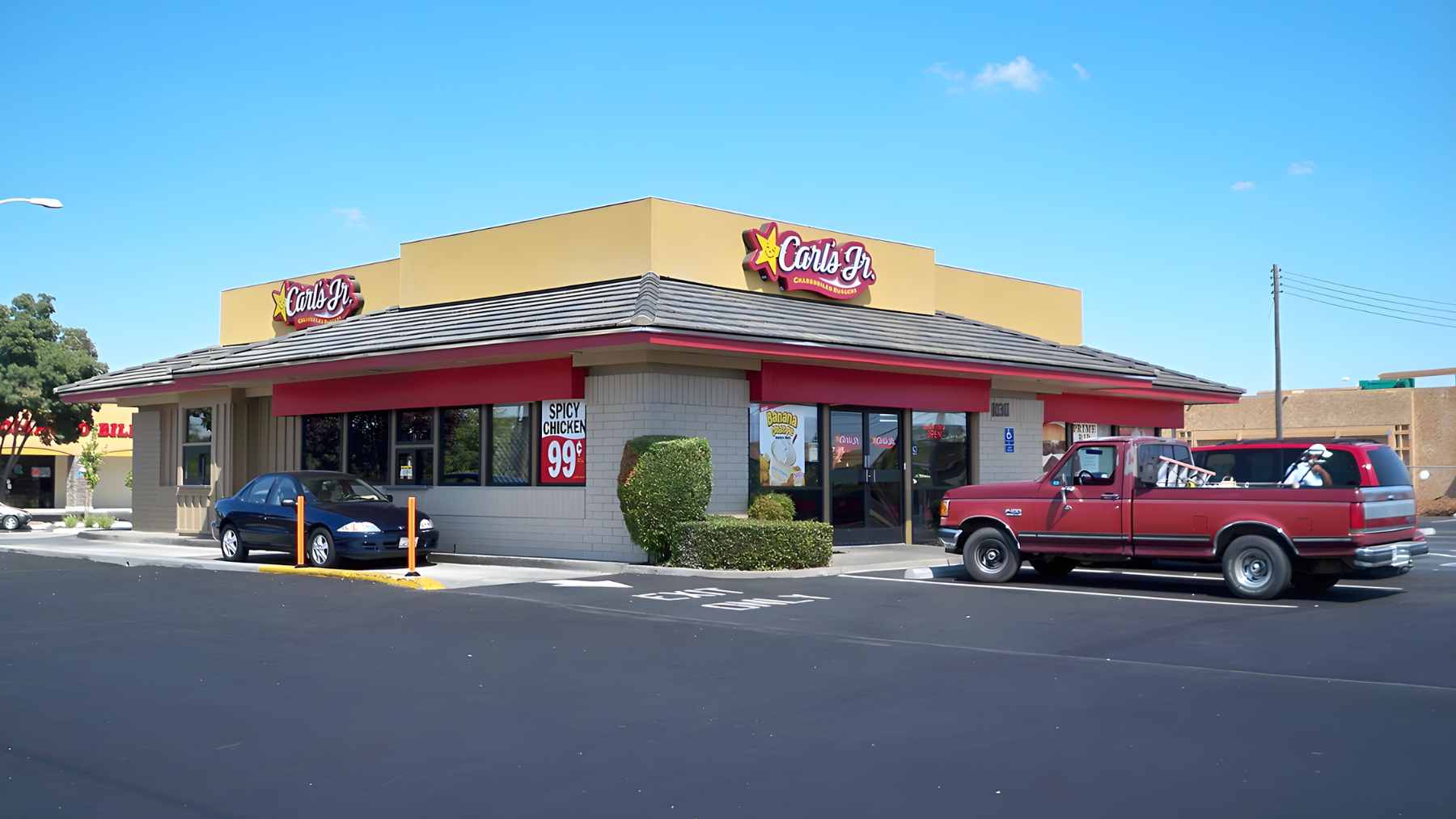
Friendly Franchisees Corporation, a major Carl’s Jr. operator in California, has filed for Chapter 11 bankruptcy protection through affiliated entities in the U.S. Bankruptcy Court for the Central District of California.
The company runs 65 Carl’s Jr. restaurants in the state, and the filing lists subsidiaries that include Senior Classic Leasing, DFG Restaurants, and Second Star Holdings.
At first glance, this looks like another tough week for the restaurant business. But in essence, it highlights a quieter pressure that keeps growing, which is the environmental cost of running energy-hungry kitchens while states tighten rules on waste and packaging.
A Chapter 11 filing with a familiar playbook
Chapter 11 is designed to keep a business operating while it restructures debts under court supervision, and that matters for a franchise operator with dozens of leases and payrolls.
In this case, Friendly Franchisees Corporation also invests in and operates multifamily real estate, and the filings did not say whether the strain came from restaurants, real estate, or both.
Carl’s Jr. says the situation is isolated, and a spokesperson emphasized that it is “specific to this individual franchisee’s financial and business circumstances.” The brand also said it does not expect a broader operational impact across other Carl’s Jr. restaurants.
Zoom out and you can see why this matters beyond one operator. Restaurant Dive reported Carl’s Jr. had 588 units in California as of 2025 and that the state count had been declining, with consumer spending also sliding in 2025.
Energy costs that never really stay still
Restaurants are energy monsters, and federal data puts a number on it. The U.S. Energy Information Administration says food service buildings are nearly four times more energy intensive than commercial buildings on average, with cooking taking the largest share of energy use.
That energy intensity is not abstract when you are staring at monthly utility charges. An ENERGY STAR guide notes that a typical electric deep-fat fryer can use more than 18,000 kWh a year, which is higher than the average U.S. household’s annual electricity use of about 12,000 kWh.
So, when electricity prices rise or heat waves push HVAC harder, operators feel it fast. And if you have ever walked into a packed quick-service restaurant on a sticky summer afternoon, you already know the kitchen heat is not just discomfort, it is cost.
Food waste is a methane problem in disguise
Food waste is also turning into a bigger climate and compliance issue, not just a feel-bad sustainability stat. EPA says food waste is about 24% of municipal solid waste disposed of in landfills, yet it is responsible for an estimated 58% of fugitive methane emissions from municipal solid waste landfills.
The EPA report behind that estimate goes further and quantifies the scale. It estimates that in 2020, landfilled food waste accounted for about 61 million tons of CO2 equivalents in emissions from U.S. municipal solid waste landfills, and it also estimates that a majority of methane generated by landfilled food waste is not captured.
For fast food, this lands in a very practical place, which is forecasting and execution. Promotions, delivery demand, and supply chain hiccups can quickly turn into overproduction, and EPA now even offers a calculator to estimate avoided methane when food waste is diverted from landfills.
Tech upgrades that pay for themselves
There is a reason energy benchmarking keeps showing up in restaurant operations advice, even when the conversation starts with profit and not carbon.
A newer ENERGY STAR checklist cites median Energy Use Intensity figures for quick-service restaurants, which gives operators a way to compare performance and identify where equipment and controls are bleeding money.
Hardware matters, too, and not in a futuristic way. ENERGY STAR says certified commercial kitchen equipment can cut utility and maintenance costs while reducing greenhouse gas emissions, which is a rare case where the business and the environmental cases overlap for the most part.
Software is the other half of the story. Waste tracking, smarter ordering, and tighter cold-chain monitoring do not sound glamorous, but they are exactly the kinds of tools that can reduce both food loss and the number of emergency supply runs that burn fuel in city traffic.
Defense lessons on resilient power
It might seem like a stretch to bring Military and Defense into a fast food bankruptcy story, until you look at the shared dependency, which is reliable energy.
The Department of Defense’s Unified Facilities Criteria includes a dedicated document on resilient installation microgrid design, and the official listing shows it has been updated with a changed date in January 2026.
The Army has also been explicit in that it sees microgrids as a readiness tool in the face of physical, natural, and cyber threats to energy systems. In other words, keeping the lights on is not just convenience, it is mission assurance.
For restaurants, the stakes are different but the vulnerability feels familiar. When refrigeration fails, food safety and inventory losses pile up quickly, resilience starts looking less like a green slogan and more like basic risk management.
What California’s packaging rules are about to force
It is still too early to say what happens to those 65 Carl’s Jr. locations, and Chapter 11 does not automatically mean closures. But it does signal that operators with thin margins can struggle to fund the upgrades that are increasingly expected in energy, waste handling, and packaging.
Packaging is the next big squeeze point in California, and it is not subtle.
CalRecycle says SB 54’s extended producer responsibility program requires that by 2032, single-use packaging and plastic food service ware sold in the state must be recyclable or compostable, and it sets recycling and source-reduction targets while also creating a funding obligation that totals $5 billion over 10 years starting in 2027.
There is also a near-term reality check built into the rule. CalRecycle says expanded polystyrene food service ware producers have not met the required recycling rate, and as a result producers are prohibited from selling items like EPS takeout containers and cups in California.
The official rulemaking overview was published on CalRecycle.