A line often pinned to Bill Gates says, “I choose a lazy person to do a hard job because a lazy person will find an easy way to do it.” In 2026, the point behind it matters more than the attribution as AI grows and the planet’s limits get harder to ignore.
Water and electricity used to feel like background conditions for the digital economy. Now they are deal breakers, with investors demanding clearer disclosures from Big Tech and defense agencies treating energy resilience as mission-critical.
The “lazy” idea that keeps showing up
Fact checkers say there is no evidence that Gates originated the “lazy person” quote, even though it is widely shared under his name. Read it as a prompt for smart shortcuts, not an excuse to coast.
In climate terms, the “easy way” is often using less. Less water for cooling, fewer wasted server cycles, fewer fuel deliveries, fewer convoy miles. Boring, yes, but boring is where a lot of the savings live.
Data centers meet water and power pushback
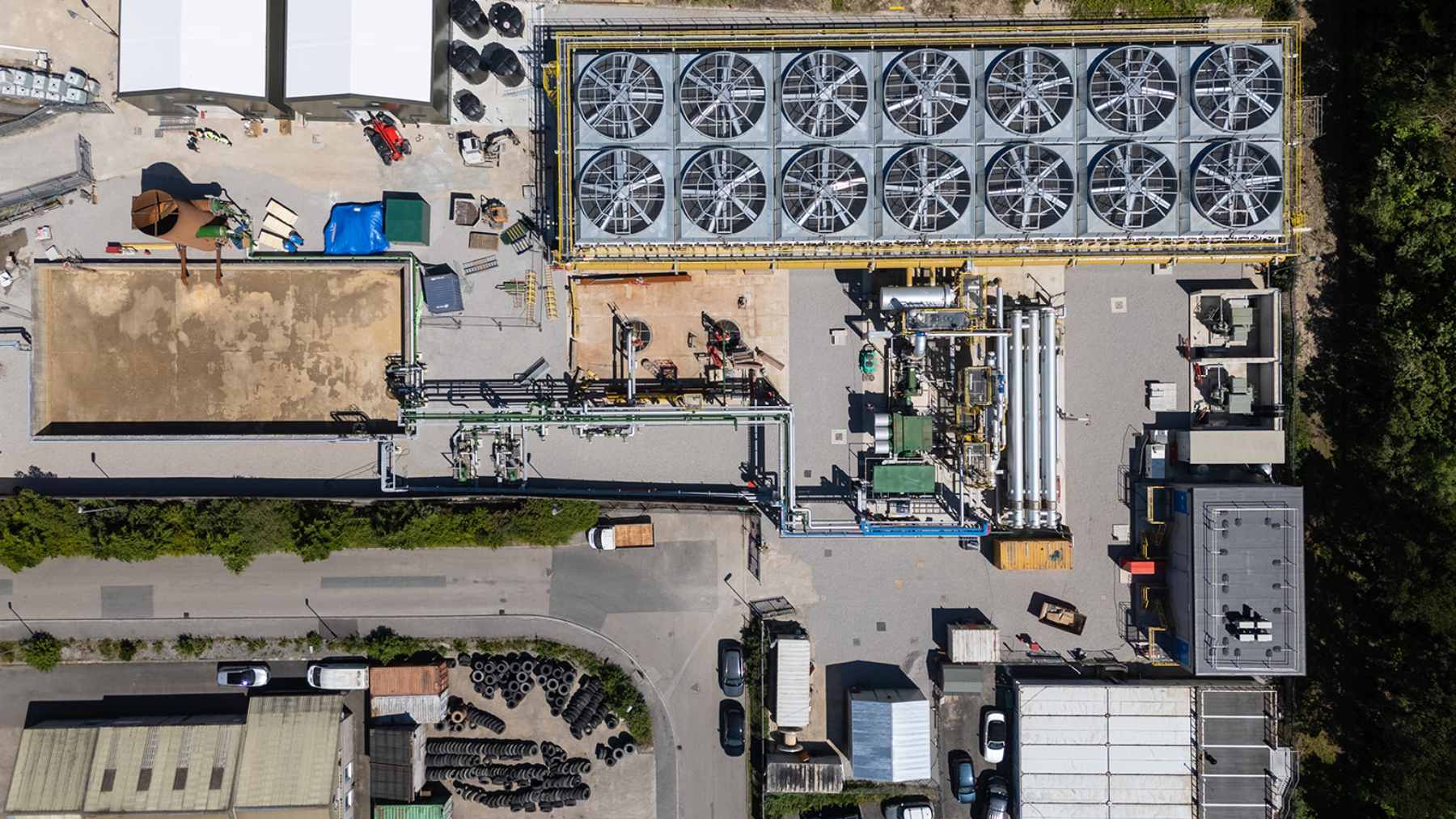
A Reuters report published on April 6, 2026 says investors are pressing Amazon, Microsoft, and Google to disclose more about the water and power needs of U.S. data centers, after community opposition helped stall some big projects.
The same report says North American data centers used nearly 260 billion gallons of water in 2025, roughly equivalent to New York City’s annual demand, based on data from Mordor Intelligence.
So, what happens when the cloud meets a drought? The fight is also about whether the numbers are even comparable, and Reuters described gaps such as site-level reporting versus totals and whether third-party-operated sites are counted.
It also reported that Trillium Asset Management filed a resolution with Alphabet asking how it will meet its climate goals as data center energy needs surge.
AI is forcing a new power buildout
The International Energy Agency estimates data centers consumed around 415 terawatt hours of electricity in 2024, about 1.5% of global electricity use, and it says that demand grew about 12% per year over the last five years. That is a big footprint for something many people still think of as “just software.”
In the IEA’s base case, electricity generation to supply data centers rises from about 460 TWh in 2024 to over 1,000 TWh in 2030 and 1,300 TWh in 2035. The agency also estimates global power demand rose 4.3% in 2024, so this new load is landing on a system already under strain, and that can show up in rates, the electric bill, and reliability when the summer heat hits.
Defense is building microgrids for the same reason
For the military, energy is not only a climate topic. It is a vulnerability, and outages can come from extreme weather, cyberattacks, or simple grid failure.
A February 3, 2026 solicitation from the DoD’s ESTCP program calls for technologies that improve the energy resilience of installations, including in cold regions, remote locations, and arid or water-scarce areas, while linking energy, water, and control systems.
A FY 2026 DoD military construction budget document describes a $20.6 million “Power Generation and Microgrid” project at an Armed Forces Reserve Center in Mountain View, California.

It includes solar PV, battery energy storage, diesel backup, microgrid controls, and cybersecurity with full islanding capability, and it cites wildfire and earthquake risks plus an energy security requirement of at least 14 days.
NATO allies are tracking similar pressures. A NATO compilation of climate change best practices says allies are reviewing crisis response plans for extreme weather that affects energy and water supply, and it notes that energy efficiency is becoming a criterion in developing new military equipment. Less fuel burned can also mean fewer risky resupply missions.
The transition is also a security story
The European Commission’s Joint Research Centre published an update on April 8, 2026 that keeps the climate and conflict debate grounded. It says climate change contributes to conflict risk mainly by amplifying existing vulnerabilities such as weak governance and dependence on agriculture, rather than acting as a single direct trigger.
The JRC also warns that the green energy transition can bring new pressures, including instability in fossil fuel dependent states and competition over critical minerals that can carry risks of localized conflict and human rights abuses.
But it emphasizes that these transition risks are lower than the risks of unchecked climate change, and it points to steps like stronger multilateral frameworks and better supply chain transparency.
What readers should keep in mind
If you follow one thread, make it transparency. Site-level water and power reporting, grid impact planning, and credible clean energy timelines are becoming the difference between a project that gets built and one that gets blocked, whether it is a data center campus or a base microgrid.
At the end of the day, the “easy way” is not a trick. It is disciplined efficiency and honest accounting, before the next drought or outage makes the decision for everyone.
The official analysis was published on European Commission Joint Research Centre (JRC).