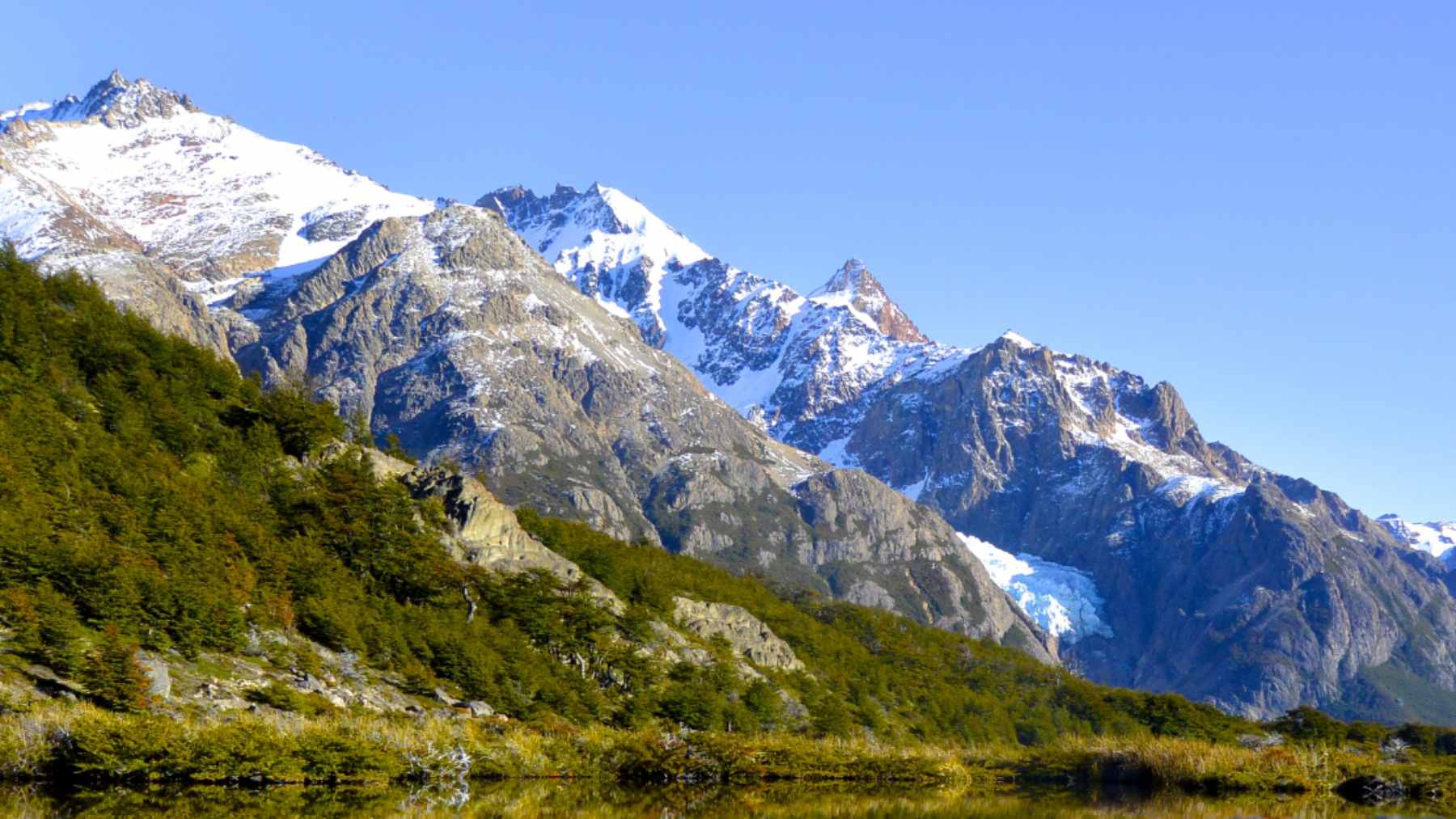
A mountain straddling Chile and Argentina is at the center of the minerals rush. In a May 2025 press release, Lundin Mining said the Filo del Sol area is part of a resource estimate placing the Vicuña district among the world’s largest copper, gold, and silver plays. Vicuña Corp is a 50/50 joint arrangement between Lundin Mining and BHP.
Copper runs through power lines, telecom networks, and electronics, and USGS says electrical uses make up about three quarters of demand. But Filo del Sol sits in the high Andes, where water can be more valuable than ore, and Argentina’s glacier protections are being rewritten in real time.
The scale of Filo del Sol is hard to ignore
Lundin Mining’s release lists over 14 million tons of contained copper in measured and indicated resources, along with 32 million ounces of gold and 659 million ounces of silver in the same category, with additional inferred resources. Jack Lundin called Filo del Sol “one of the most significant greenfield discoveries in the last 30 years.”
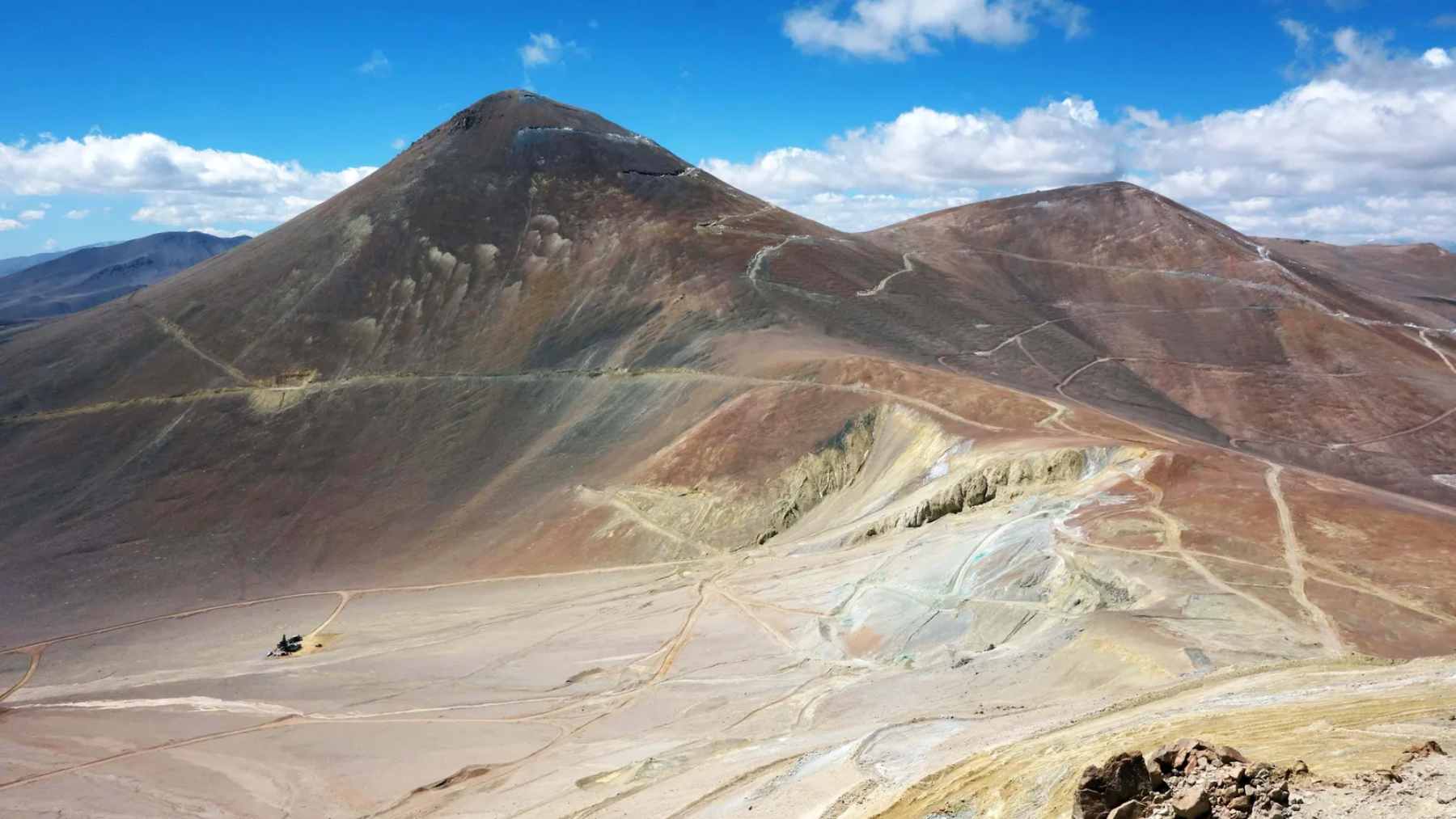
Those numbers help explain the excitement, but they do not guarantee an easy mine. Popular Mechanics notes the deposit sits around 5,000 meters (3.1 miles) above sea level, where thin air, harsh weather, and transport can become serious constraints.
Copper demand is rising, and not just because of EVs
The International Energy Agency has warned that copper demand could climb sharply under pathways aligned with limiting warming, largely because grids, solar, wind, and electric vehicles all need a lot of metal.
Dialogue Earth also notes the IEA estimate that EVs require about four times more copper than a conventional car.
Then there is the digital side. UNCTAD said in 2025 that global copper demand could grow by over 40% by 2040, and meeting it may require about 80 new mines and $250 billion by 2030. Data centers, AI infrastructure, and everyday electronics all compete for the same supply.
Defense agencies are moving into the same market. The EU launched a joint procurement platform in April 2026 to secure critical minerals for the energy transition and defense, signaling these supply chains are now treated as strategic infrastructure.
Water and ice are the real limits in the high Andes
Dialogue Earth reports that glaciers and the surrounding periglacial environment account for about 70% of Argentina’s freshwater, acting as a long-term regulator in dry regions. The ice is not scenery, it is infrastructure.
Mining’s water footprint is why communities get nervous fast. In the same reporting, the environmental group FARN cited the now-closed Bajo de la Alumbrera mine as consuming more than 6.6 million gallons of water a year, which it said equaled 34% of Catamarca province residents’ water use.
So when a new open pit project is proposed near rock glaciers or frozen soils, the debate stops being abstract. It becomes about irrigation canals, drinking water, and whether a river keeps running in late summer.
Argentina’s glacier protections are being revised
Argentina’s 2010 glacier law was built to keep industrial activity out of glacier and periglacial zones. In April 2026, Argentina’s Chamber of Deputies approved a reform backed by President Javier Milei that shifts key protection decisions from the national level to provinces, drawing backlash from environmental groups and scientists.
Supporters argue it will bring investment and jobs, and Reuters reported projections of $165 billion in exports by 2035 tied to the mining push. Critics warn the change risks high altitude water reserves that the original law aimed to protect, and Reuters noted the older framework covered nearly 17,000 ice bodies across more than 3,280 square miles.
Legal fights now look likely. FARN has argued that the Josemaria open pit could cut through a rock glacier, and it wants glacier decisions grounded in science, not politics.
Cleaner power helps, but it does not solve the water question
The mining sector knows diesel is an easy target, so electrification is becoming part of the social license pitch. In December 2024, IFC and Central Puerto announced feasibility studies for a roughly $600-million high voltage line of about 54 miles to supply renewable electricity to mining operations in Argentina’s northwest, with potential capacity of up to 400 MW.
That line could also help nearby communities now cut off from stable power, IFC said, which matters for daily life in places where a reliable clinic refrigerator or a school computer lab is not guaranteed. Still, environmental groups argue that lower emissions do not automatically mean “sustainable” mining if water use and glacier impacts are not strictly managed.
At the end of the day, the central test for projects like Filo del Sol is simple. Can companies prove, with transparent monitoring and enforceable limits, that critical minerals will not come at the cost of critical water?
What happens next
Before any major buildout, watch the boring documents. Environmental impact assessments, water balance studies, and glacier and periglacial mapping will decide whether this becomes a flagship for “responsible” copper or a new case study in conflict.
For the numbers, start at the source.
The press release was published on Lundin Mining.