When wildfires, hurricanes, or floods knock out cell towers, the first thing most people want is simple: they want a message that goes through. “I’m OK.” “Where are you?” “Call me.” That need is one reason satellite-to-phone service is suddenly moving from a niche feature to something that could shape disaster response.
Amazon’s plan to buy Globalstar and fold it into its low Earth orbit ambitions is being pitched as a connectivity leap. But it also sits right in the middle of a growing environmental reality. Climate-driven extremes are stressing ground networks, and space-based backups look tempting.
The catch is that satellites come with their own footprint, and the bill is starting to get harder to ignore.
A big bet on direct-to-device
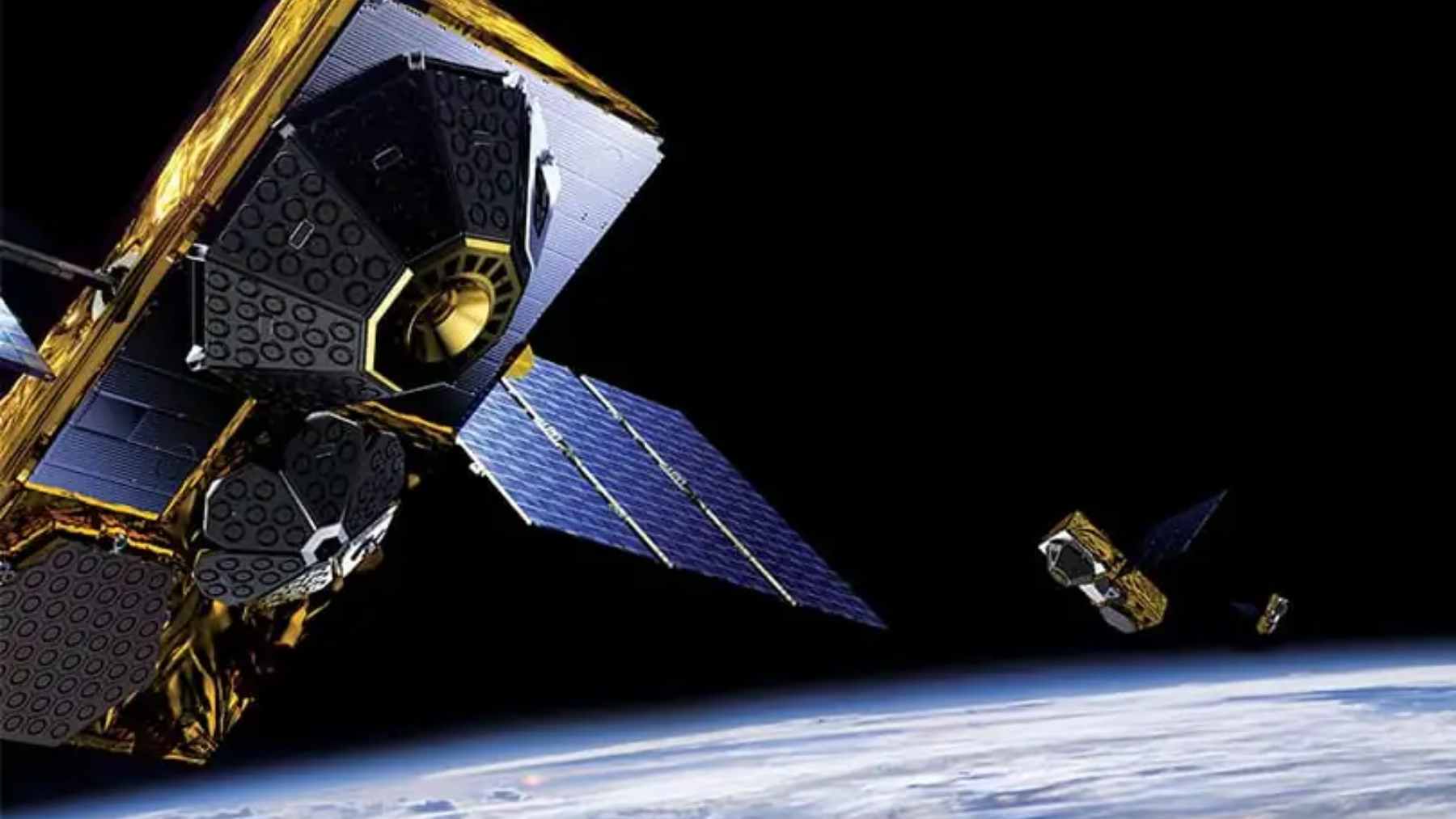
Amazon and Globalstar announced a definitive merger agreement that would pay Globalstar shareholders $90 per share in cash or 0.3210 shares of Amazon stock, with cash elections capped at 40% of the deal. Amazon’s goal is to accelerate Amazon Leo and expand “direct-to-device” coverage so phones can connect when terrestrial networks cannot.
Apple is also staying in the picture, which matters because millions of people already rely on satellite features on iPhone and Apple Watch. That includes Emergency SOS via satellite, and the companies say the updated relationship will keep supporting compatible devices while laying groundwork for future satellite services tied to Amazon Leo.
Disaster resilience meets investor math
The business case gets clearer every time a major storm hits, and it is not just about convenience. The United States has seen hundreds of billion-dollar events since 1980, and the pace has increased in recent years, according to NOAA’s billion-dollar disaster tracker.
For households, that shows up as evacuation orders, price spikes, and the kind of disruptions that make you check your phone battery twice.
In practical terms, satellite-to-phone service is being sold as the “last mile” that still works when the last mile is underwater or on fire. For insurers, utilities, and state agencies, a more reliable communications layer can mean faster damage assessment and quicker restoration. For Amazon, it is also a way to turn space infrastructure into a consumer-facing product that scales.
Satellites have their own environmental bill
Here is the part that rarely makes the headlines: launches and reentries add emissions and particles to parts of the atmosphere where chemistry is delicate, and researchers are still working out the long-term effects.
A NASA technical memorandum has flagged how spaceflight emissions can affect atmospheric composition, including potential implications for climate and ozone chemistry, even as uncertainty remains.
There is also growing attention on what happens when satellites burn up on the way down. A 2024 paper in Geophysical Research Letters estimated that a typical 250-kilogram (550 lbs.) satellite could generate roughly 30 kilograms (66 lbs.) of aluminum oxide nanoparticles during reentry, and those particles could persist for decades in the atmosphere.
A 2025 study in Nature Communications Earth and Environment warned that frequent launches could slow ozone recovery, driven largely by chlorine from some solid rocket motors and black carbon from many propellants.
This is where the “green tech” framing gets complicated. Satellites can support climate monitoring and emergency response, but they can also intensify pressure on the upper atmosphere and on dark night skies that ecosystems and astronomy depend on.
The International Astronomical Union has been urging mitigation because large constellations can change the visual and radio environment of the sky worldwide.
Defense and the new reliance problem
The defense angle is not theoretical anymore. Satellite networks are being pulled into military communications, drone testing, and logistics, which makes outages and single-provider reliance a strategic risk.
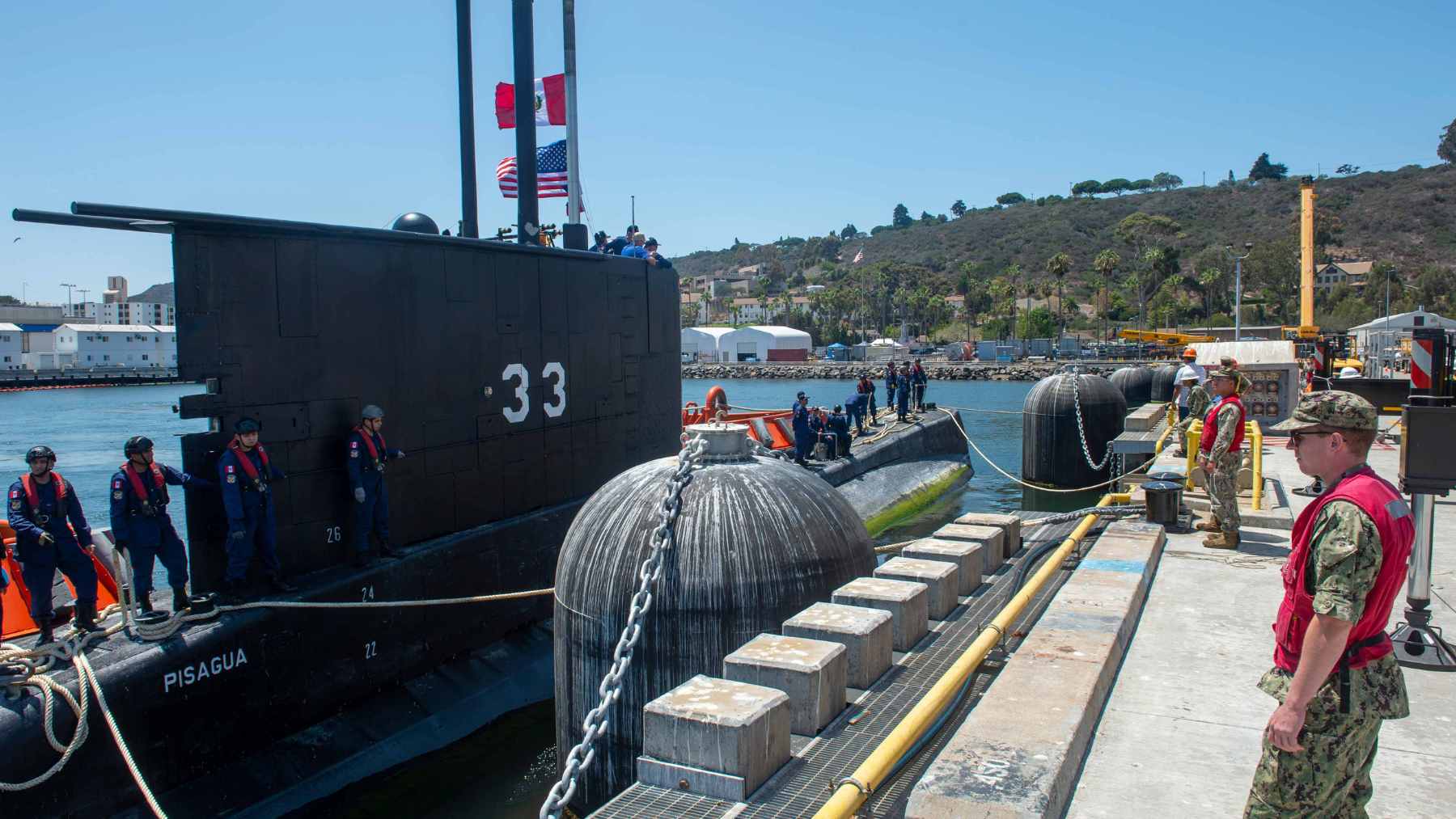
A Reuters investigation described how a Starlink outage disrupted U.S. Navy testing and highlighted concerns about depending too heavily on one commercial network.
That matters for Amazon because it is entering a space where resilience is not just about consumer coverage. It is also about redundancy, procurement rules, and what happens if a rival state decides to pressure the system. Even talk of Starlink vulnerabilities shows how quickly commercial constellations become part of national security planning.
What to watch next
Regulators now face an awkward balancing act. Faster satellite rollouts can support connectivity in disasters and remote areas, but larger constellations also raise environmental and orbital sustainability questions. Watch for whether agencies begin asking for stronger disclosure around reentry byproducts, launch emissions, and long-run atmospheric impacts.
Also watch how Amazon and Apple manage spectrum, capacity, and service guarantees as Amazon Leo expands. Apple’s satellite strategy has been shaped by big payments and capacity commitments in the past, including Apple’s 2024 investment of $1.5 billion in Globalstar tied to access for most of the network’s capacity, as reported by Reuters.
At the end of the day, the real test is simple: can these systems keep people connected without quietly shifting environmental risk into the upper atmosphere?
The press release was published on About Amazon.