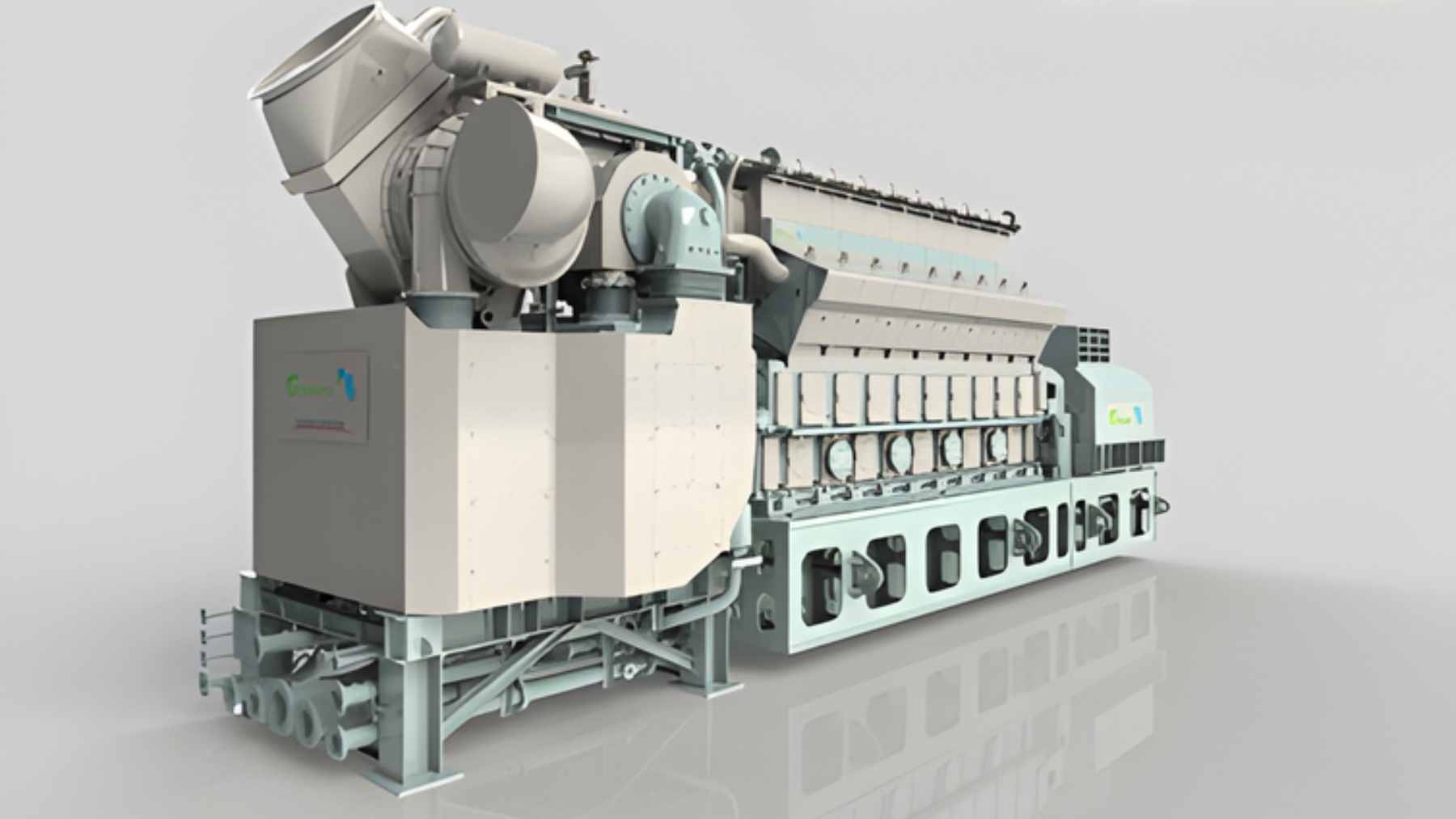
For many households and factories, the energy transition feels abstract until the electric bill spikes or the air conditioner groans through that persistent summer heat. Japan is trying to make it feel more concrete with a new commercial gas engine system that can generate electricity while co-firing hydrogen at up to 30% by volume.
Kawasaki Heavy Industries began sales on September 30, 2025, after an 8-megawatt class verification campaign at its Kobe Works. Is this the quickest way to cut emissions without waiting for an entirely new hydrogen pipeline network?
The main conclusion is both hopeful and cautionary, the hardware is arriving first, but the climate impact depends on whether clean hydrogen can be delivered at scale.
A commercial engine built for the transition
Kawasaki says its large gas engine system can burn a mix of natural gas or city gas with up to 30% hydrogen by volume, and the hydrogen ratio can be adjusted even during operation. It also pitches the product as a “hydrogen-ready model,” meaning it is designed to support decarbonization while leveraging much of today’s gas infrastructure.
That matters in business terms because fleets of gas engines already exist, and scrapping them early is expensive. Kawasaki says its “Green Gas Engine” line has received more than 240 orders since the first order in 2011, and existing engines can be retrofitted for hydrogen co-firing.
The carbon math behind 30% hydrogen
Here is the detail that gets lost in headline numbers: Hydrogen carries far less energy per cubic meter than methane, with typical lower heating values of about 10.8 MJ per normal cubic meter for hydrogen versus about 35.8 MJ for methane.
Do the back-of-the-envelope math and a 30% hydrogen blend by volume works out to roughly 11% hydrogen by energy (based on those standard heating values). All else kept equal, that suggests direct carbon dioxide emissions from the fuel could fall by something like 10% to 12%, but only if the hydrogen itself is low-carbon.
Safety is the quiet headline
Hydrogen is not just another gas you can treat like methane. It is more leak-prone and more reactive, which is why operators care about detection, purging, and maintenance as much as combustion efficiency.
Kawasaki says the commercial system is equipped with hydrogen leak detectors and a nitrogen purge system among its safety measures. Those features may sound unglamorous, but they are what decide whether a “hydrogen blend” can be deployed near real neighborhoods, not just inside a gated industrial site.
Ports and shipping push hydrogen from theory to practice
The same “upgrade, don’t replace” logic is now showing up at sea. In October 2025, Kawasaki, Yanmar Power Solutions, and Japan Engine Corporation said they achieved what they described as the world’s first land-based operation of marine hydrogen engines using a newly installed liquefied hydrogen fuel supply system at Japan Engine’s factory.
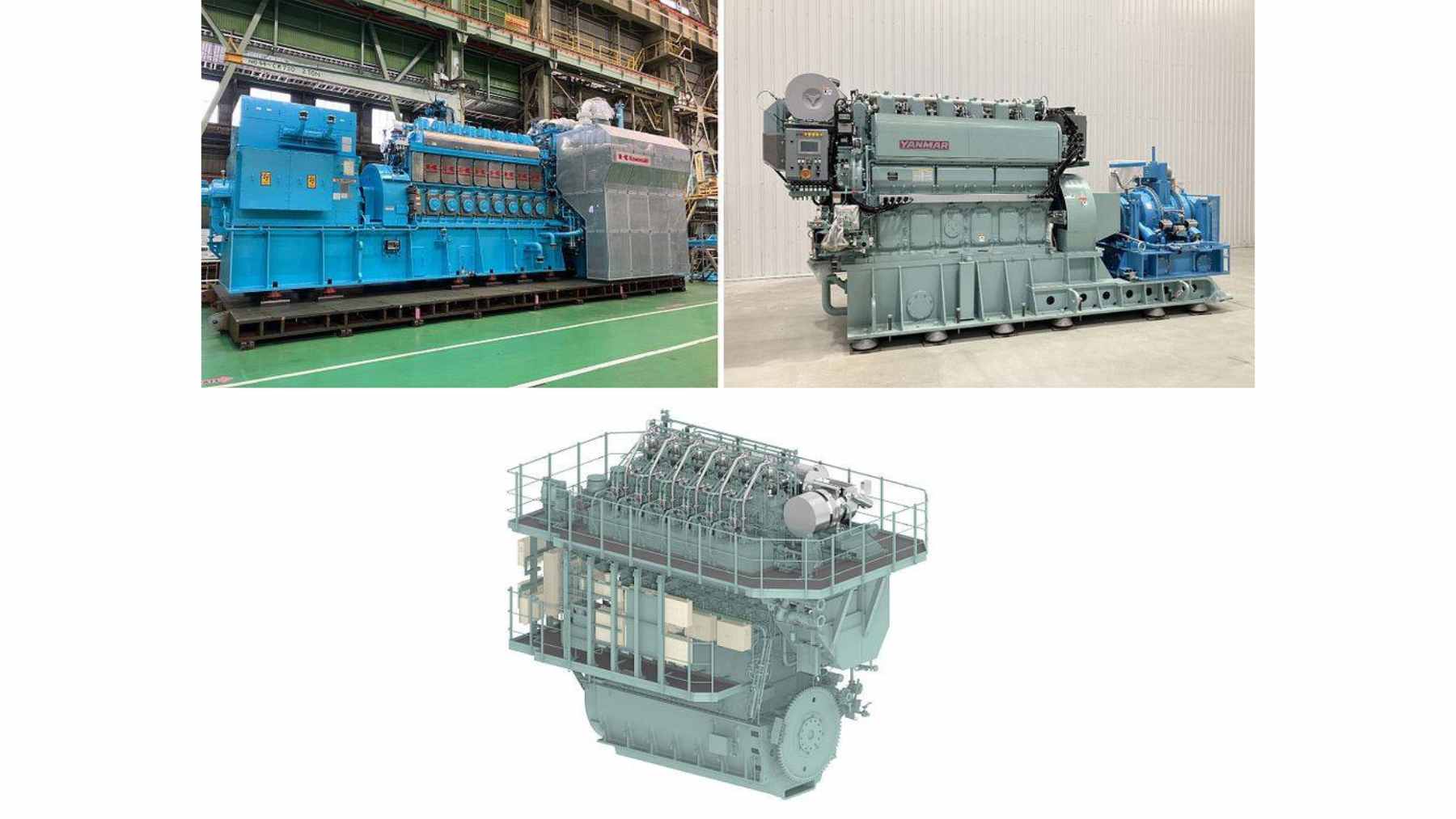
The consortium says the fuel supply system stores and gasifies liquid hydrogen and can supply it at both high and low pressure, enabling tests across several engine types.
A low-speed, two-stroke hydrogen engine is scheduled to begin operation in spring 2026, and the companies emphasize a dual-fuel setup that can switch between hydrogen and diesel when bunkering is not available.
The fuel chain and the security angle
Engines can be ready years before fuel logistics catch up, and Japan is building the missing links. Kawasaki and partners are developing a liquefied hydrogen terminal on Ogishima in Kawasaki City designed around a 50,000-cubic-meter storage tank, and project materials target operation by fiscal year 2030.
The carrier side is also moving, with Reuters reporting in January 2026 that Kawasaki signed a contract with Japan Suiso Energy to build a 40,000-cubic-meter liquefied hydrogen carrier, with ocean going trials aimed for the fiscal year ending March 2031.
This build out sits inside Japan’s Green Innovation Fund, a 2-trillion yen ($12.55 billion) program established by the Ministry of Economy, Trade and Industry and operated by NEDO.
There is also a Military and Defense subtext that rarely gets said out loud: energy flexibility is a resilience tool. The U.S. Army has already demonstrated a hydrogen-powered “nanogrid” at White Sands Missile Range, which is a reminder that cleaner fuels and more reliable power can be a dual-use advantage when grids are strained.
The press release was published on Kawasaki Heavy Industries.