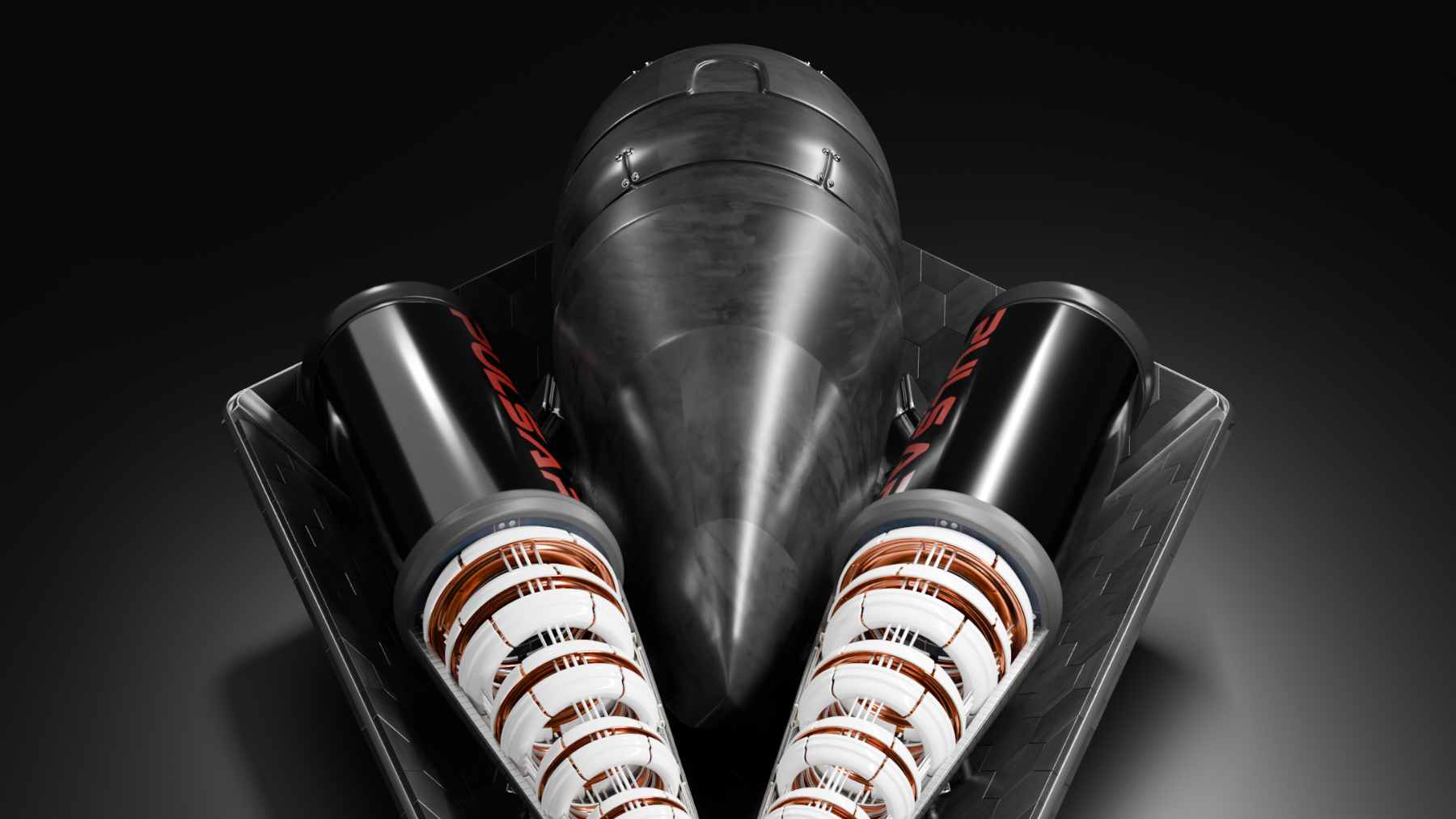
A British space propulsion company called Pulsar Fusion says it has reached a “first plasma” milestone inside the exhaust test system for its Sunbird nuclear fusion rocket concept, a demo that was livestreamed from Bletchley, England to Amazon’s MARS Conference stage in Ojai, California.
It sounds like pure sci-fi, and in some ways it is. But the bigger story for ecology is more grounded and a little uncomfortable. Space tech increasingly helps track wildfires, storms, and that creeping heat you feel when the electric bill spikes, yet rocket launches and reentries also leave a real footprint high in the atmosphere.
What “first plasma” really means
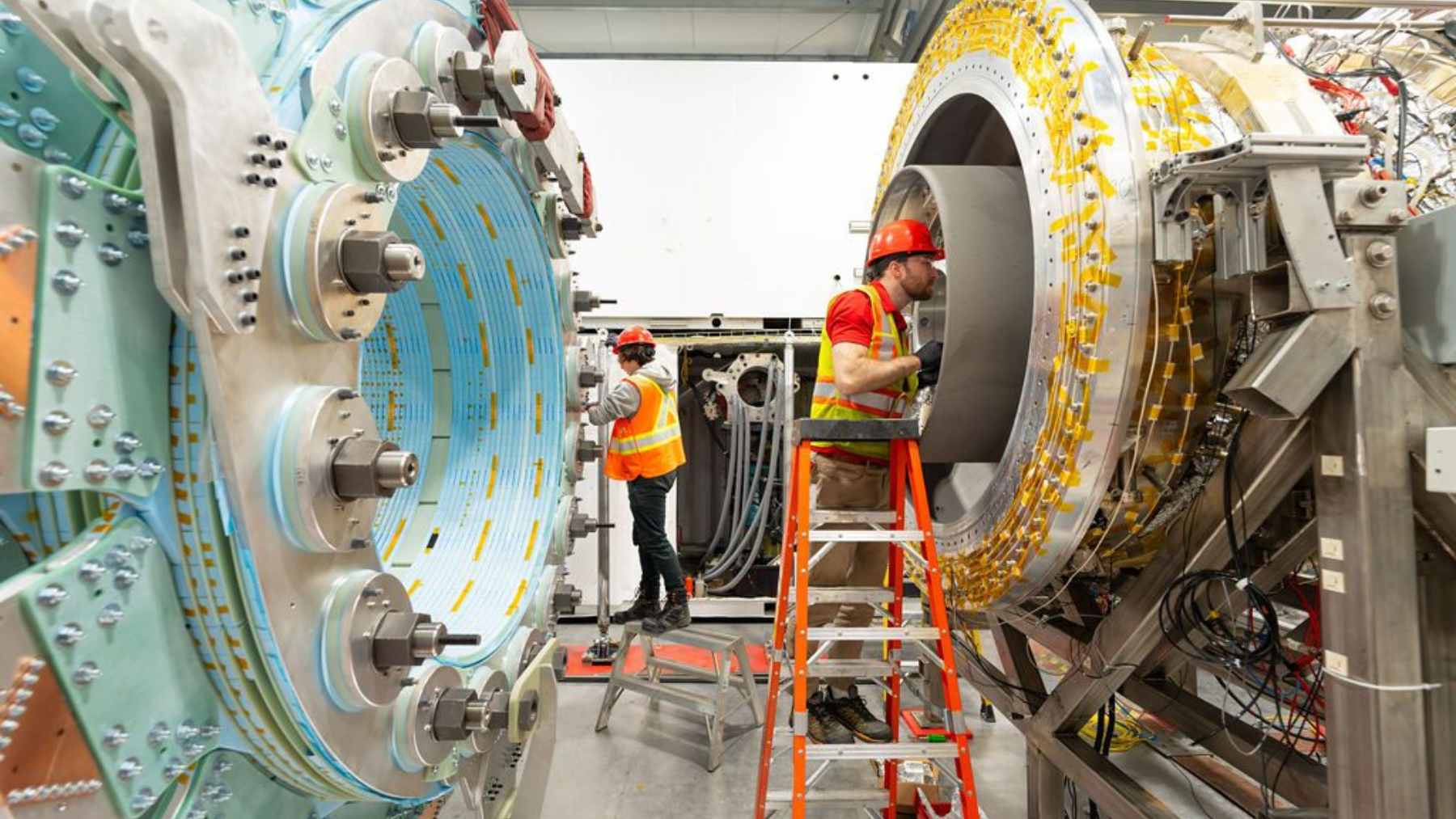
Pulsar’s March 25 statement describes the milestone as plasma being generated and confined inside the Sunbird exhaust architecture, using electric and magnetic fields to guide and accelerate charged particles through the exhaust channel.
For this initial series, the company used krypton as the propellant, mainly because it ionizes efficiently and is inert at the needed flow rates.
That matters, but it is not the same as running a full-fusion rocket. “First plasma” is often an early hardware checkpoint, basically proof that a design can create and control the kind of ionized gas a future engine would need.
The next step Pulsar highlights is collecting real performance numbers like thrust and exhaust velocity using dedicated instrumentation such as a thrust balance.
Why a fusion “space tug” is being sold as a climate enabler
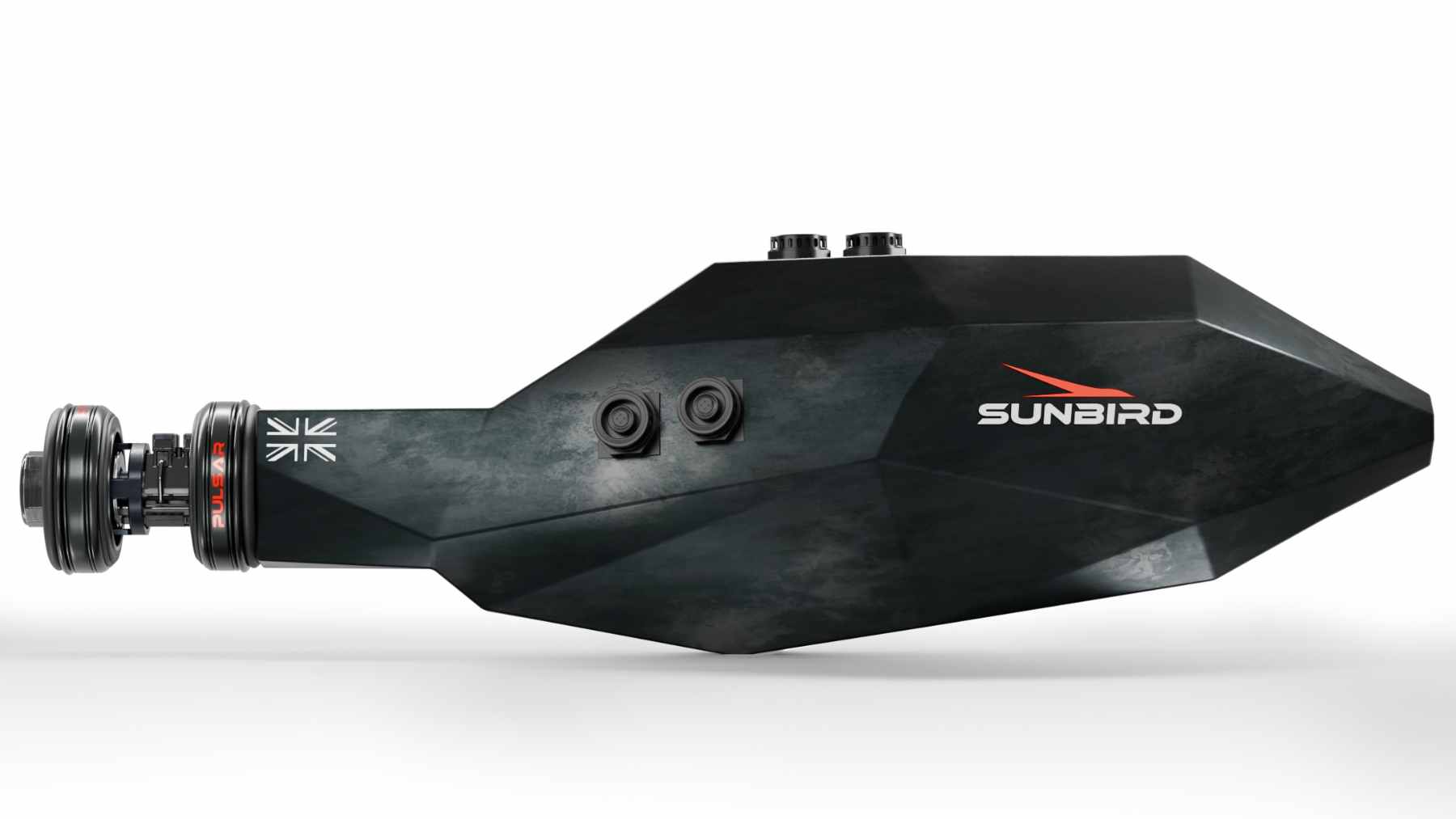
Pulsar’s Sunbird pitch is not about replacing chemical rockets on the launchpad. The idea is to station reusable fusion-powered tugs in orbit, let payloads launch “only” to low-Earth orbit, then dock and let Sunbird handle more of the hard work beyond Earth.
Pulsar claims this could reduce the total delta-v burden on launch vehicles and cut propellant mass, which in theory could mean fewer heavy launches for the same amount of capability.
The business logic is obvious. The World Economic Forum and McKinsey have projected the global space economy could reach $1.8 trillion by 2035, up from $630 billion in 2023, and much of that growth is tied to services people use every day, including Earth observation and communications.
So here’s the key question: if propulsion makes “doing things in space” cheaper and faster, does that lower the total environmental cost, or does it simply encourage a lot more space activity? The answer depends less on the engine and more on policy and market behavior.
The environmental catch that often gets ignored
Rocket pollution is not just a ground-level issue near launch sites. Scientists have been warning that rockets inject gases and particles into atmospheric layers where they can linger, and NASA has pointed to major knowledge gaps in how launch and reentry emissions could affect climate and ozone as space activity scales up.
The scale-up scenarios are not small. A NASA technical memorandum notes estimates where launch tonnage rises from about 3,500 tons per year to over 30,000 tons per year by 2040, and it cites projections where reentry emissions from vaporizing space debris and spent stages could increase from around 1,000 tons per year to over 30,000 tons per year.
Black carbon is one of the headline concerns because rockets can inject soot directly into the stratosphere, where it behaves differently than surface pollution.
A NOAA-hosted study explains that stratospheric black carbon from rockets can warm the stratosphere and drive changes that contribute to ozone reductions, which is a reminder that “up there” is not an environmental-free zone.
Business and defense are pulling on the same thread
A high-power in-orbit tug is a commercial tool, but it is also a strategic capability. If you can move satellites faster, you can potentially extend their lifetimes, reposition them more quickly, and support missions like debris tracking or satellite servicing in more flexible ways, which can reduce the risk of cascading debris events that threaten everyone.
On the other hand, faster maneuvering and “tug” capabilities can look dual-use, especially in a world where mistrust in orbit is rising. Even if the intention is benign, any vehicle that can rendezvous and dock can raise security questions, and those questions tend to shape regulation, insurance, and who gets access to what launches.
That’s why environmental governance in space is starting to overlap with defense-style risk management, for the most part without the public noticing.
The hard engineering issues are also environmental issues
Pulsar is openly flagging durability as a key hurdle. It says it is working with the UK Atomic Energy Authority on studying how neutron radiation affects reactor walls and magnets, since radiation-driven wear is a major lifetime limiter for fusion hardware.
Then there is the fuel conversation, which gets political fast. Pulsar has previously described its Sunbird concept as using a deuterium and helium-3 fuel mix, the latter being scarce on Earth, with ongoing debates about future supply and whether lunar sourcing makes sense.
Finally, the materials story matters, too. Pulsar says it wants to move toward rare-earth, high-temperature superconducting magnets to push to higher plasma density and pressure conditions.
If that path works, it could accelerate space logistics, but it also means the clean-tech supply chain questions do not stop at the launchpad. Big milestone, bigger tradeoffs.
The official statement was published on GlobeNewswire.