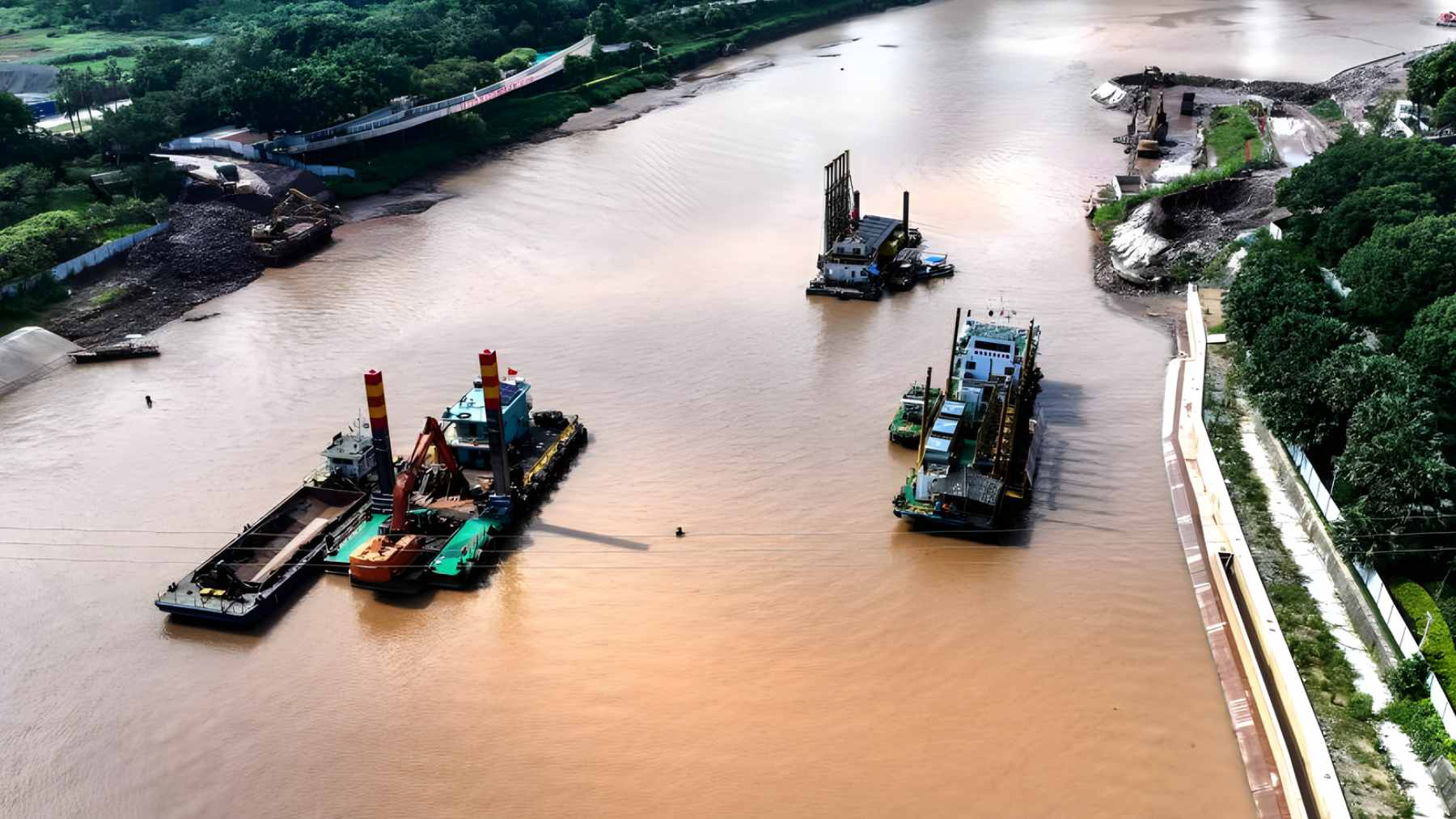
China says it is in the final stretch of building the 134.2-kilometer (about 83-mile) Pinglu Canal in Guangxi, a project designed to link inland river traffic to the Beibu Gulf and open a more direct route to sea trade.
As of February 28, 2026, state media reported that about 92.2% of planned investment had been completed, with roughly 91.6% of the canal route already taking shape.
But the headline is not just speed or concrete. Pinglu is being pitched as a “green canal” that uses wildlife corridors, fish passages, and monitoring tech to limit damage to a living river system. The real question is simple and uncomfortable at the same time: can a mega logistics shortcut also protect biodiversity once the construction crews are gone?
A shortcut built for a shifting trade map
Pinglu sits inside a bigger business story, which is China’s push to move more cargo between western regions and overseas markets through the New International Land-Sea Trade Corridor. That matters more now that China’s exports to ASEAN rose 13.4% in 2025 while exports to the United States fell 20%, based on reporting that cited Chinese customs data.
Ports on the Beibu Gulf coast are also growing into that role. Xinhua reported the Beibu Gulf Port’s annual container throughput exceeded 10 million TEUs in 2025, a milestone that puts real volume behind the corridor narrative.
Locks and water make or break the math
The engineering challenge is not subtle. Chinese reporting on the project has highlighted that the route must overcome roughly 65 meters (213 ft.) of water level difference, which is why planners built three major ship lock hubs.
Locks work like “water elevators,” but the tradeoff is that they can consume huge volumes of water if they are not designed carefully. In practical terms, the canal’s economics are tied to water management, especially in a world where drought risk is becoming a normal part of planning critical infrastructure.
The “green canal” test is about animals and data
Local officials have described a package of mitigation steps that goes beyond the usual tree-planting headlines.
The plan cited in Chinese reporting includes reserving buffer space along the banks for ecological corridors, placing animal passages in sections that cut through higher terrain, and preserving 36 original river channels or oxbow-lake habitats as ecological conservation areas.
One of the most concrete examples is at the Qingnian hub, where China Daily reported the construction of a 480-meter (1,575-ft.) ecological fishway to help restore fish migration.
In 2025, Xinhua also reported that a “smart” fishway monitoring system began operating, using tools such as AI recognition and sonar imaging to track fish numbers, species, and movement in real time.
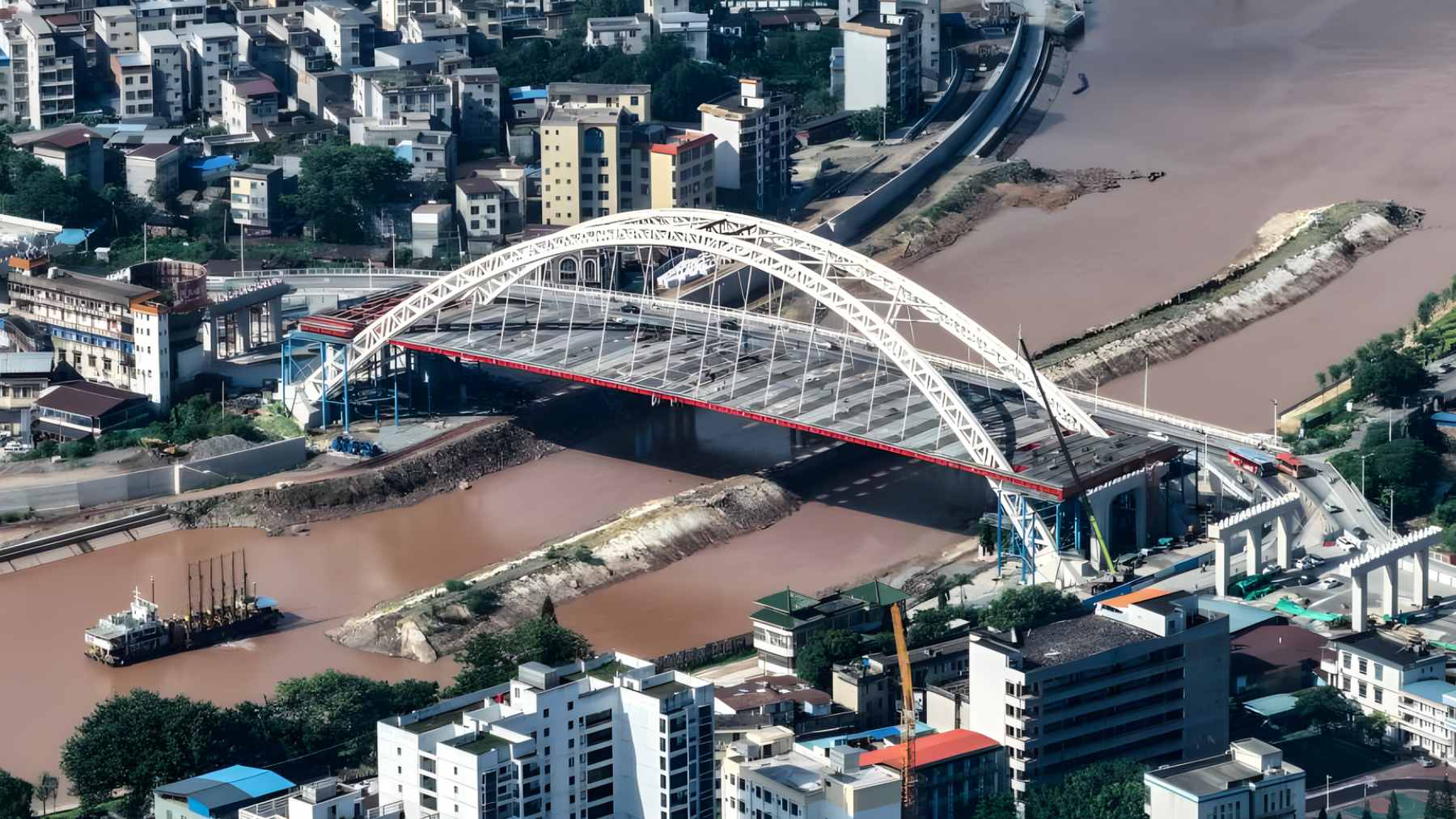
Still, researchers are warning that mitigation only works if it is designed well and maintained for the long haul. A 2025 study in Land modeled habitat connectivity for multiple species and estimated that habitat area could shrink by about 200 square miles, with migration corridors dropping from 107 to 86 after the canal’s completion in the study scenario.
That kind of result does not “prove” future harm, but it does underline why long-term monitoring and restoration plans are not optional.
Smart navigation is more than a buzzword
China’s transport authorities are also tying Pinglu to “smart” navigation and support systems for inland shipping, a theme that keeps popping up in official and state media coverage. Xinhua has described efforts that include building digital management capabilities around the canal, not just digging the channel itself.
That tech layer can have real environmental consequences if it is used well. Better traffic management can cut idling and fuel waste, reduce the risk of collisions, and make it easier to enforce rules in sensitive zones, which is the kind of behind-the-scenes work that actually changes emissions.
And yes, fewer trucks on busy roads also means less exhaust in the stop-and-go traffic we all know too well.
Why security planners pay attention
Even when a project is sold as purely commercial, it can still carry strategic weight. Chinese reporting has framed Pinglu as “strategically important” for regional development and for expanding access from inland areas to the sea, which is the kind of language that tends to draw attention from planners focused on resilience in crises.
There is also a defense-adjacent lesson hiding in plain sight. When waterways become more automated and sensor-driven, the conversation is no longer only about dredging and ship schedules.
It is also about protecting critical infrastructure systems, keeping traffic control reliable, and making sure environmental monitoring remains credible rather than becoming a box-checking exercise.
China’s builders say the project is moving through its “sprint” phase, with the bulk of investment already spent and the route largely formed as of late February 2026.
The official update was published on Xinhua.