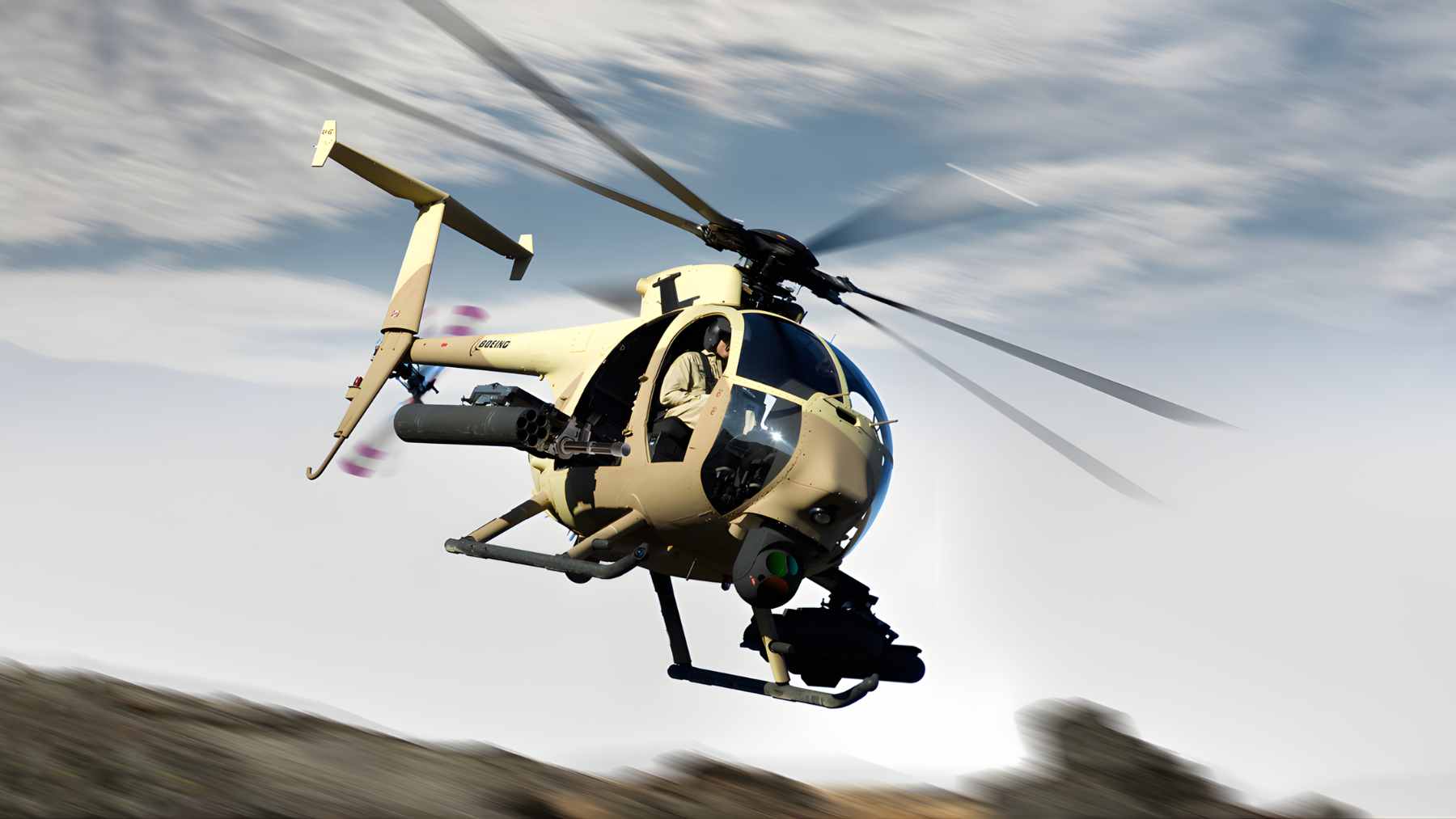
Japan is moving to retire manned attack helicopters like the AH-1S Cobra and AH-64D Apache and shift key missions to drones, a change that could ripple far beyond the country’s defense policy. It looks like a straightforward Military and Tech story, but it also raises a quieter question for the rest of us.
Can a shift to unmanned warfare shrink the military’s environmental footprint, or does it simply move the impact from jet fuel to electronics? A smaller aircraft can burn less fuel than a heavy helicopter, yet “more drones” can also mean more flights, more batteries, and more hardware that eventually becomes waste.
A budget line with big consequences
Japan’s budget materials for fiscal year 2026 include a line item for “UAVs (wide-range)” with five units listed at ¥11.1 billion ($70 million), described as a way to detect surface combatants early from long distances and support commanders’ decisions.
In the same document, the Ministry of Defense lays out “SHIELD” and allocates ¥100.1 billion ($628 million) to acquire a broader set of unmanned assets.
That’s not pocket change, and it is also not a science project. It is a signal that procurement is moving from tests to a fleet, with all the downstream spending that follows, from training and software to spare parts and munitions.
The plan is to minimize human loss and automate faster
Japan’s Defense Buildup Program says the Self-Defense Forces should “expeditiously procure” unmanned assets “while minimizing human loss,” including utility and attack UAVs and systems meant for intelligence, surveillance, reconnaissance, and targeting.
It even sketches a future posture that includes a “multi-purpose unmanned aerial vehicle unit,” which reads like an organizational commitment as much as a shopping list.
Why the urgency now? Japan is facing a long, slow demographic squeeze, and the government’s own population projections show the total population falling below 100 million in 2056. Fewer working-age people tends to mean fewer recruits and fewer specialists, including the kind you cannot train overnight.
Turkey and Israel are in the middle of a high-stakes tech contest
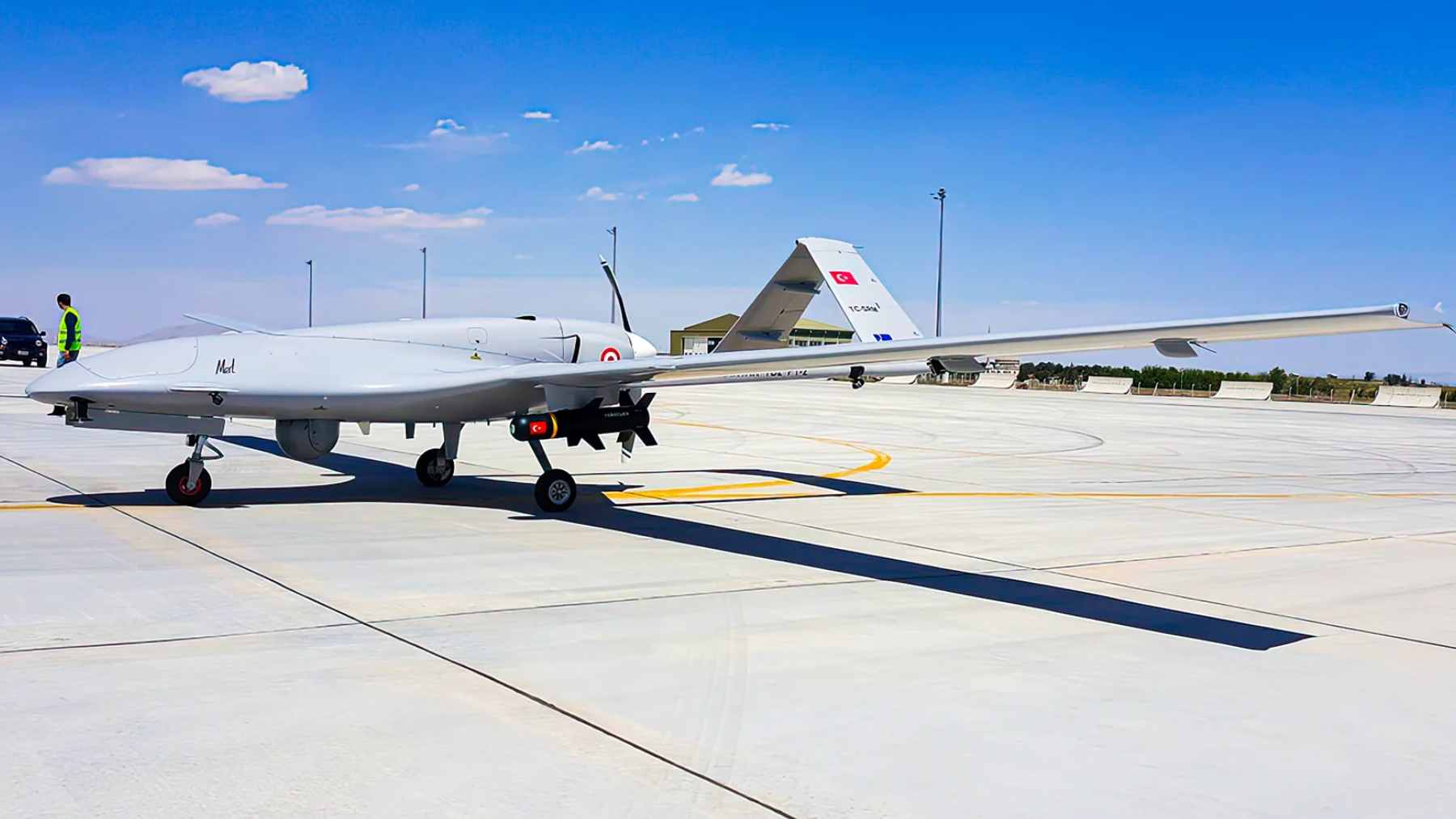
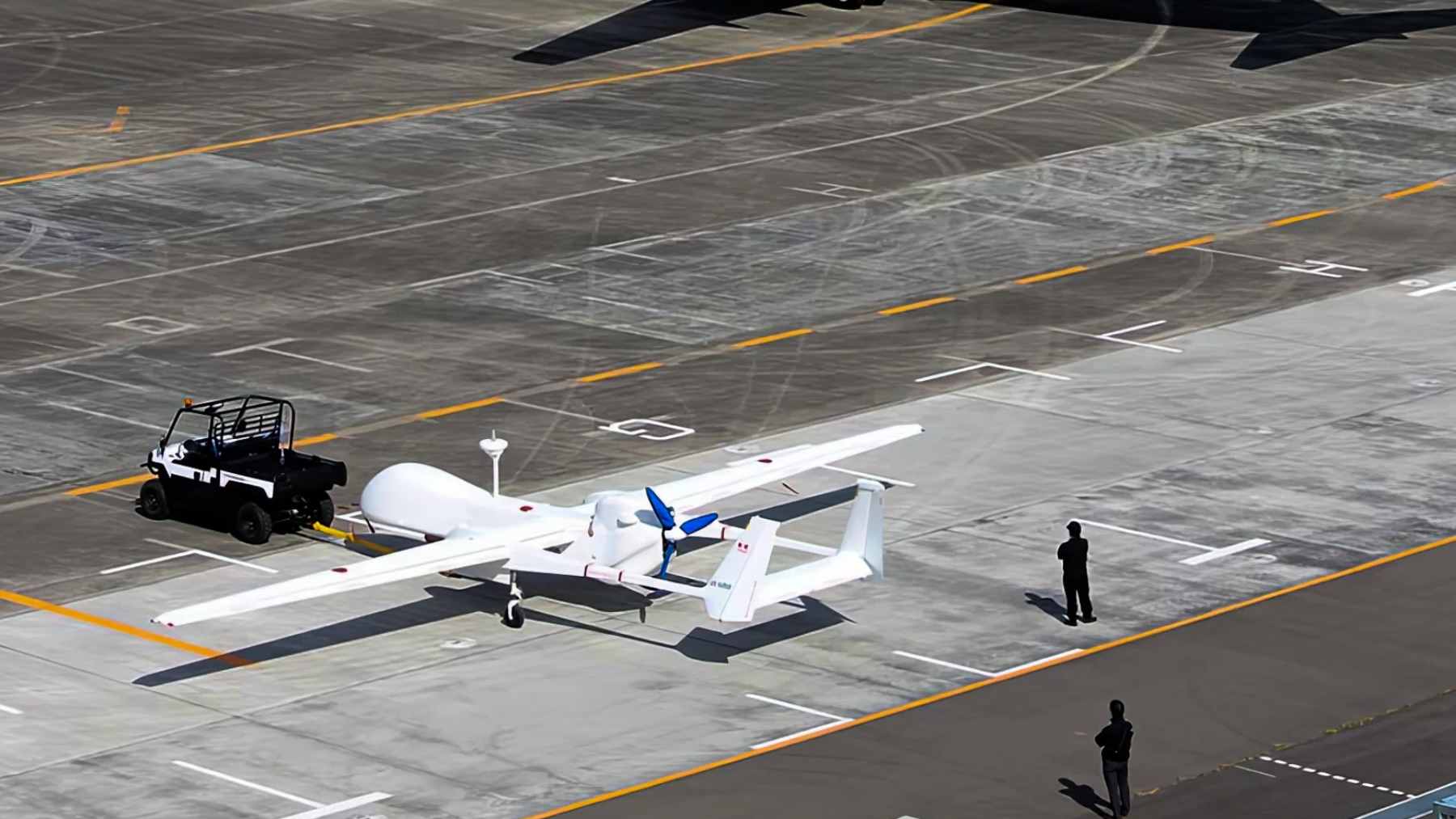
Japan has been testing medium-altitude, long-endurance drones for the Ground Self-Defense Force, and two names keep coming up: Turkey’s Bayraktar TB2 and Israel Aerospace Industries’ Heron Mk II.
A Ministry of Defense spokesperson told Janes that “the test and evaluation of the Heron Mk II concluded in FY 2024,” while the Bayraktar TB2 was scheduled to complete demonstration trials within the current fiscal year.
This is where business and geopolitics collide with engineering reality. Picking a drone is not like picking a smartphone, because the long-term costs live in training pipelines, spare parts, software updates, and weapons integration, plus the politics of who controls the supply chain.
There is also a sustainability angle that rarely makes it into procurement headlines. If a platform locks a country into proprietary components, it can affect not only readiness, but also repairability, reuse, and how much ends up in scrap piles later.
Drones can cut fuel burn, but the climate math is not automatic
On paper, shifting missions from large helicopters to smaller, unmanned aircraft can reduce fuel use per hour, especially for long-loitering surveillance. But modern doctrine often pushes the other way, because cheaper platforms can be flown more often, and constant monitoring can become the norm.
There is also a bigger context that policymakers rarely spell out. A 2025 Nature Communications paper cites estimates that the total military carbon footprint is about 5.5% of global emissions (with uncertainty), and it notes how difficult the sector’s environmental transition can be when spending rises.
The quiet environmental risk is the drone hardware lifecycle
The hard part of “greener” defense is not only the fuel tank, it is the hardware lifecycle. Drones are packed with sensors, radios, processors, and sometimes batteries, and the replacement cycle can be fast in a world where countermeasures evolve and electronics age quickly.
That ties into a problem most people already feel in everyday life when a phone stops getting updates or a laptop becomes “too old” for the next software version.
The UN-backed Global E-waste Monitor 2024 says the world generated 68 million tons of electronic waste in 2022, while only 22.3% was documented as properly collected and recycled.
What to watch as Japan moves from tests to a fleet
The next big signals will be contractual, not tactical. Watch for whether Japan requires lifecycle reporting, repairability, and end-of-life plans for high-value electronics, because that is where emissions and pollution can hide even when the aircraft looks smaller and “cleaner.”
Also watch how the drones are used when the headlines fade, because surveillance networks built for deterrence can have environmental side effects in peacetime, too, from monitoring storm damage to spotting oil slicks.
“The official budget document was published on Japan Ministry of Defense, where the ministry outlined FY2026 funding lines for SHIELD and wide-range UAVs.”