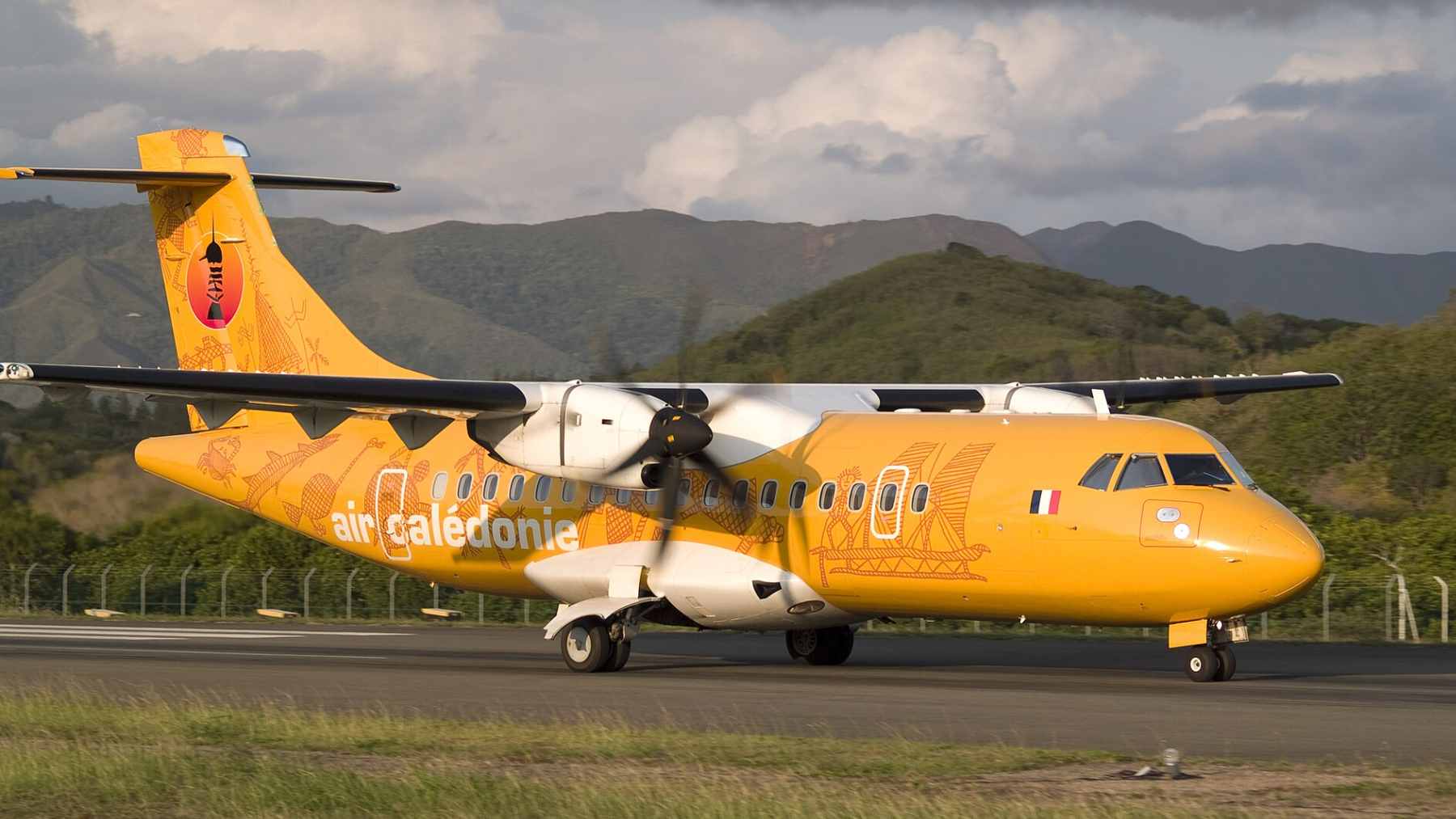
Air Calédonie just took the kind of step you usually associate with big U.S. carriers, not a small airline serving far-flung Pacific communities. After weeks of airport blockades, the company says its finances are “no longer tenable” and it has started a court-supervised restructuring process in New Caledonia.
At first glance, this is a business story about protests and a balance sheet. Look closer and it turns into something bigger. When the only realistic way to get to a hospital, a job interview, or a stocked supermarket is by air, keeping flights running becomes an environmental and defense issue, too.
A lifeline grounded
In an official press release dated March 27, Air Calédonie said it had endured 25 days of suspended domestic service due to blockades at airfields in the Loyalty Islands and the Isle of Pines.
The airline said it is entering a “collective procedure” with the commercial court to protect the company and propose a recovery plan.
This matters because New Caledonia is an archipelago of more than 140 islands spread across the South Pacific. For residents on the outer islands, a canceled flight is not just an inconvenience, it can mean delayed medical care and disrupted supplies.
The money problem
Air Calédonie employs about 220 people, and reports based on AFP said roughly half were placed on partial unemployment in mid-March as cash reserves headed toward exhaustion in early April. That is the kind of financial cliff that makes long-term planning almost impossible.
The same reporting points to a deeper structural issue. Air Calédonie reportedly needs about 300,000 passengers per year to break even, but carried around 180,000 in 2025. When demand falls that far short, even basic maintenance and staffing become a fight, never mind climate upgrades.
Climate stakes
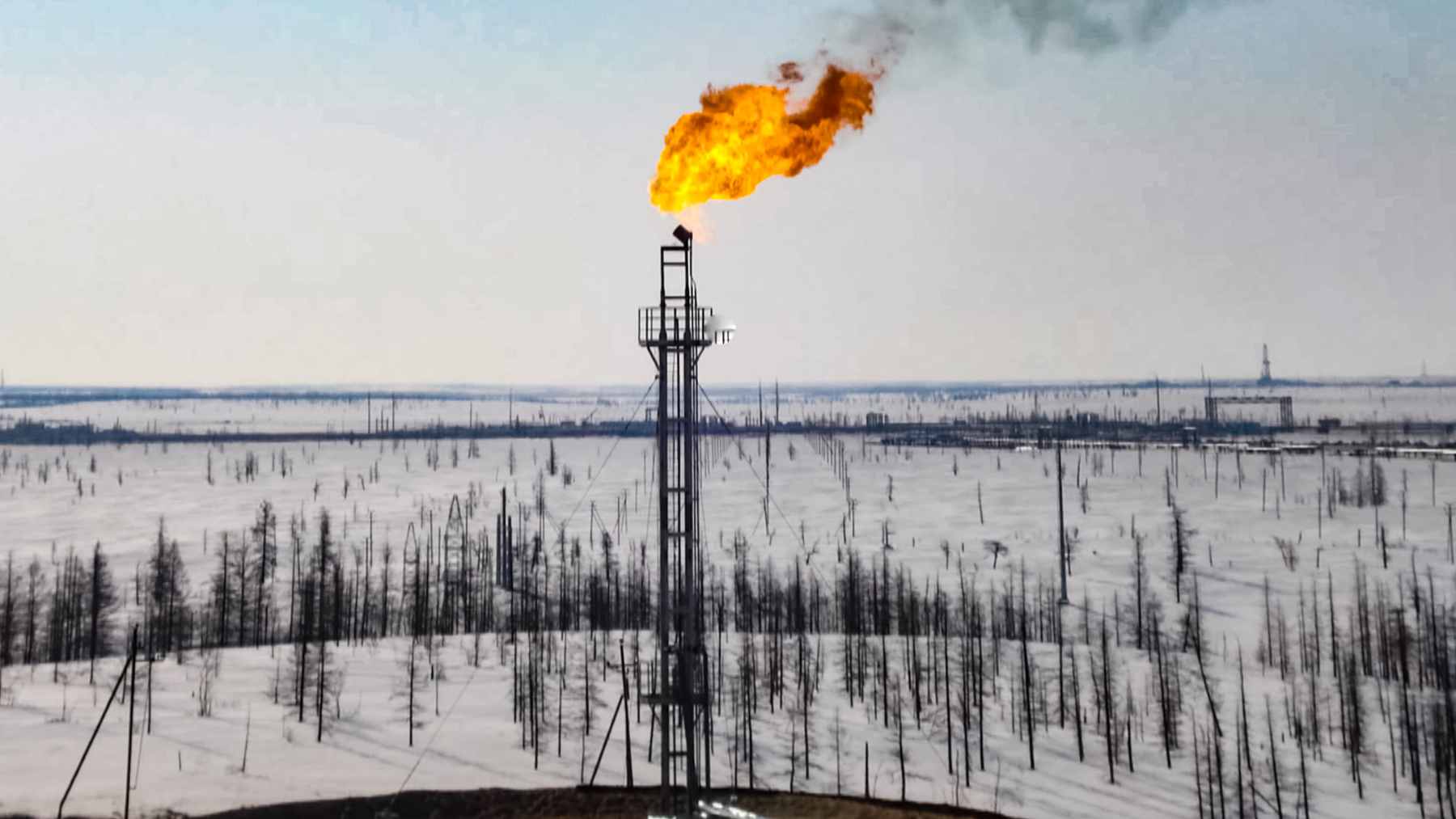
Aviation is not the biggest climate polluter, but it is a stubborn one. The International Energy Agency estimates aviation accounted for 2.5% of global energy-related CO2 emissions in 2023, with emissions near 1,045 million tons of CO2 as travel rebounded.
And the warming impact is not just CO2. Our World in Data notes aviation contributes a larger share to warming than its CO2 share alone, largely due to non-CO2 effects like contrails. So when a region relies heavily on flying because there is no highway or rail alternative, decarbonization becomes a daily logistics problem, not a distant policy debate.
Green fuel reality
Here is the hard part that tends to get lost in slogans. Sustainable aviation fuel is still scarce and expensive, and the global numbers show it. IATA said 2025 SAF output was expected to reach 2.09 million tons and still represent only about 0.6% of total jet fuel consumption, with the “premium” adding billions in extra fuel costs for the industry.
For a small carrier already trying to keep the lights on, that premium can feel like another bill you cannot pay.
Even if Air Calédonie wanted to ramp up cleaner fuel quickly, sourcing it reliably in a remote Pacific market is a very different challenge than doing it at a mega-hub in Los Angeles or Amsterdam.
Tech fixes now
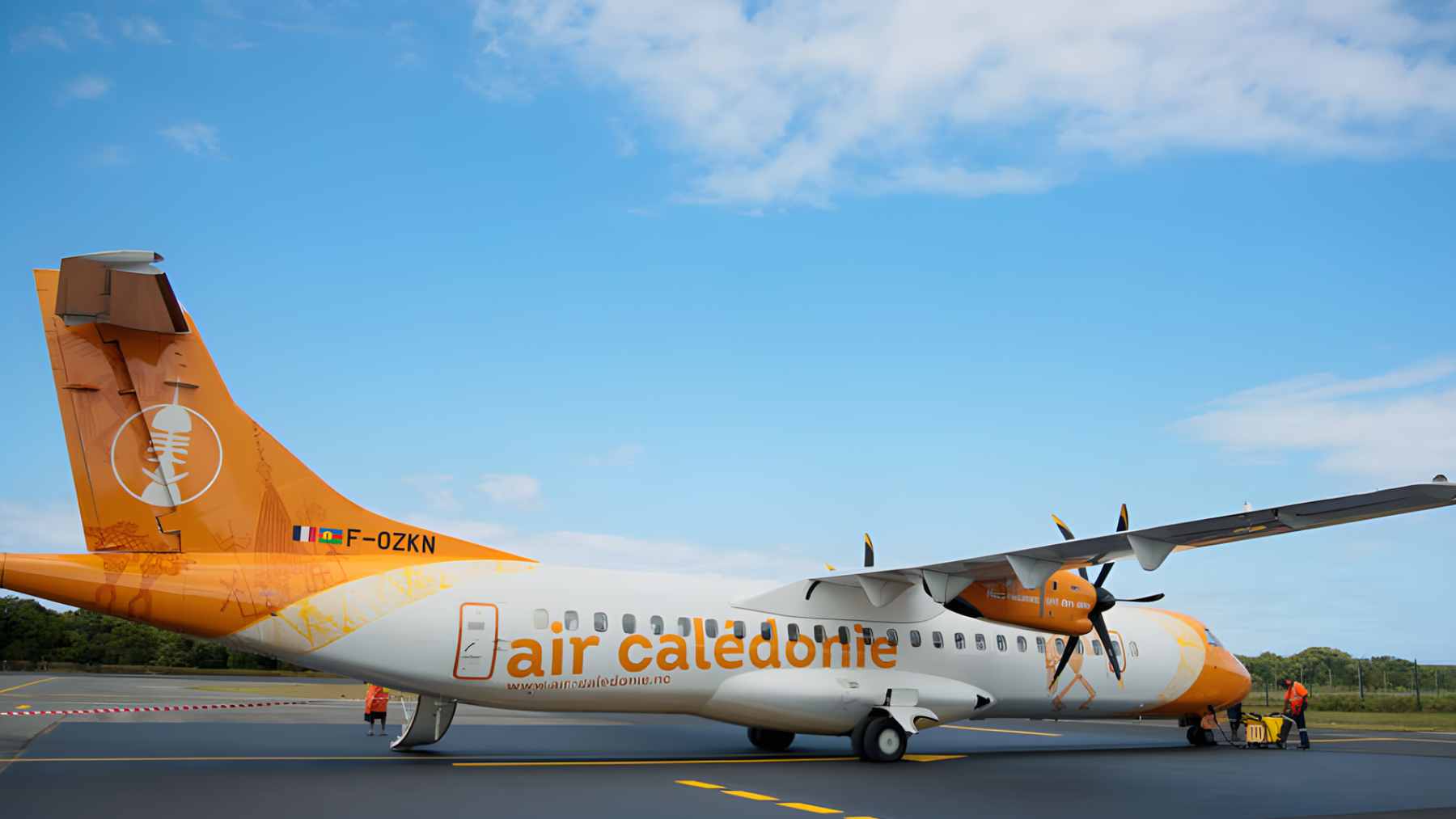
Not every climate lever requires a brand-new airplane. Air Calédonie says it currently operates three ATR 72-600 aircraft with 70 seats each, and notes that cabin and seat choices were designed to cut weight, including a claim of about 660 lbs. saved per aircraft from lighter seating.
Less weight usually means less fuel burned, which is about as practical as climate action gets.
There are other near-term tools that can stack up, especially on short island routes. Smarter maintenance planning, tighter load management, and more efficient ground operations can reduce fuel use without asking passengers to wait a decade for next-generation propulsion. It is not flashy, but it is real.
Defense ripple
Why should defense planners care about a domestic airline’s restructuring? Because in the Pacific, climate-driven disasters regularly turn into logistics missions, and air access is often the first bottleneck.
France’s armed forces in New Caledonia have been used for reconnaissance and emergency support in the region, including disaster response operations that rely on aircraft to assess damage and reach isolated areas.
New Caledonia is also a hub for multinational humanitarian assistance and disaster relief training. Australia’s Defense Department describes Exercise Croix du Sud, led by the French Armed Forces in New Caledonia, as the South Pacific’s largest HADR exercise.
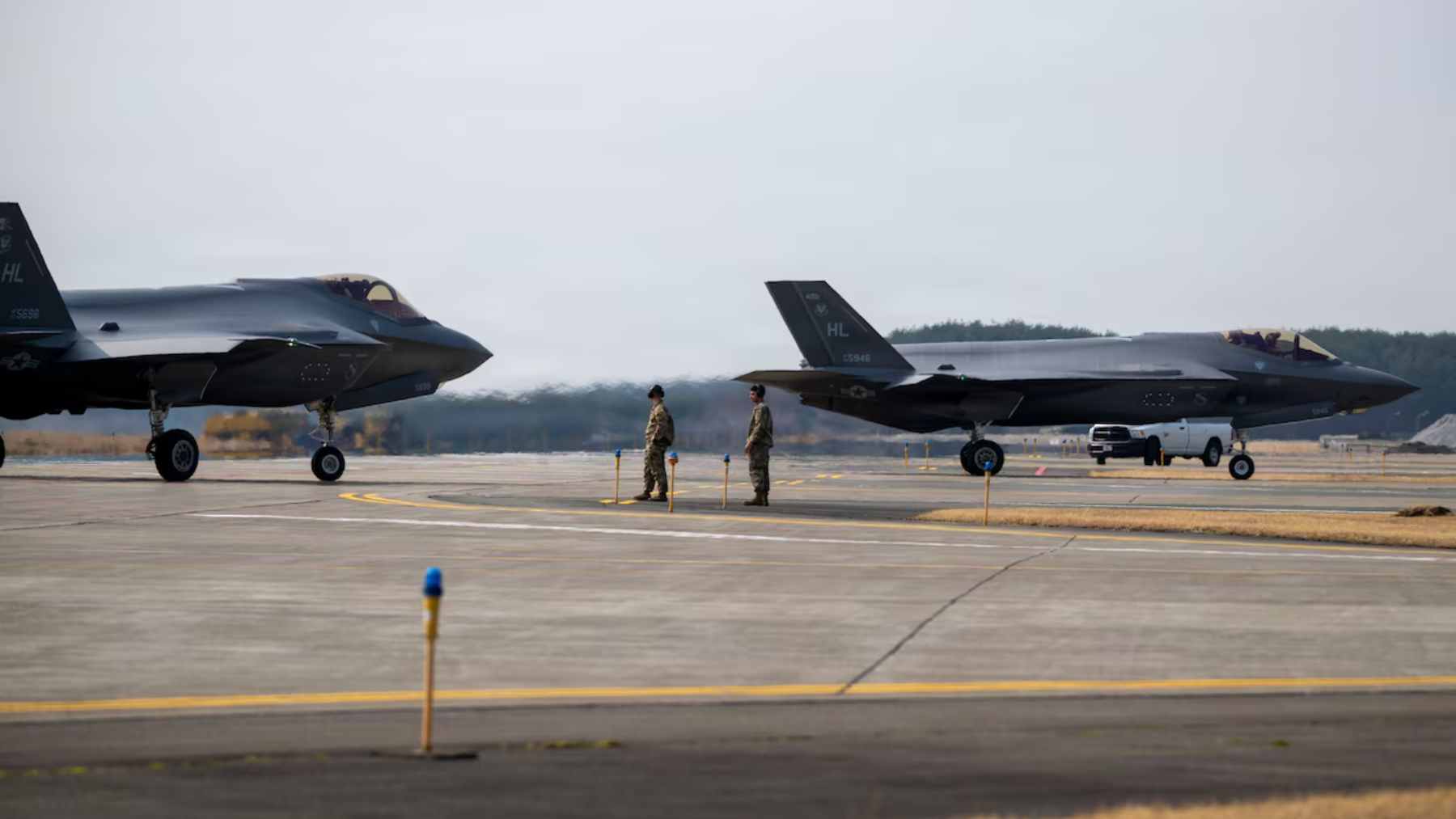
If civilian connectivity falters, governments tend to lean harder on military lift and patrol assets, which are effective but fuel-hungry.
What to watch
Air Calédonie’s own statement lays out the immediate path. Debts could be frozen during an observation period, and the airline says it may be able to keep operating depending on whether airfields reopen and whether shareholders allocate resources.
The bigger question is what comes after the courtroom. If remote regions want reliable connections and lower emissions at the same time, they will need more than slogans.
They will need stable financing, credible technology road maps, and policies built for island reality, not just big-airport assumptions.
The official statement was published on Air Calédonie.