What happens when a country’s power grid goes dark three times in a single month? In Cuba, it has meant stalled workdays, spoiled food, and hospitals forced to triage care when electricity disappears at the worst possible moment.
Now a U.S.-based research group is putting a hard price tag on the fix. A new Cuba Study Group report estimates at least $6.6 billion in new generating capacity is needed to close the supply gap, and that figure does not include the extra money needed to modernize transmission, distribution, and storage.
The price tag of the blackout era
The report describes a power system that has been shrinking for years, not just having a bad week. It says electricity generation fell from 21,155 GWh in 2019 to 15,918 GWh in 2025, a decline of roughly 25%, with daily deficits in 2025 averaging about 1,531 MW and peaking near 2,054 MW.
That is why the $6.6-billion figure matters, even if it sounds abstract at first. The report calls it a minimum benchmark for generation investment and warns that “incremental fixes and scattered projects” are not enough once you factor in grid problems like transmission and distribution losses above 16%, which it notes are roughly double typical international benchmarks.
Oil fuels and emissions still run the show
From an environmental standpoint, the most revealing number is the fuel mix. The report says that in 2024 about 76% of Cuba’s electricity generation depended on oil-based fuels, with more than half of that imported, leaving the system vulnerable to supply shocks and price swings.
Renewables, by contrast, were still tiny in the overall picture, about 3.6% of total electricity generation in 2024, according to the same report.
That mix is part climate story and part everyday-life story, because when fuel runs short, the lights go out and so does the ability to store food safely, pump water reliably, or keep a fan running in the oppressive tropical heat.
Solar is scaling fast but the grid has to catch up
Cuba is trying to sprint into solar, and the pace is real. The report says the country added almost 800 MW of new solar park capacity in 2025, which helps explain why officials and residents increasingly talk about solar as the quickest relief available.
But solar output is only half the battle. Industry reporting on Cuba’s rollout describes a plan aiming for about 2,000 MW of solar capacity by 2028 through dozens of solar parks, with each park sized around the low 20 MW range with significant cost tied to imported equipment.
The technology gap is storage, stability, and losses
Here is the catch that often gets missed in the “just add panels” storyline. The report argues that variable renewables need grid upgrades, frequency control, and storage to avoid turning midday gains into nighttime frustration, especially when baseload capacity is already fragile.
Cuba is also leaning on demand-side mandates that push big consumers toward renewables. The report points to Decree 110, which requires large consumers to cover 50% of their daytime demand with renewables within three years, but it also stresses that conservation and self-generation cannot replace firm capacity and grid stability.
Investment climate and who pays the bill
The business angle is blunt. The Cuba Study Group summary highlights that energy infrastructure received less than 10% of total investment in recent years, while the tourism sector absorbed nearly 40% of national investment between 2019 and 2024, a tradeoff that looks riskier when blackouts become routine.
Financing is not just about finding lenders, it is about credibility. The same summary notes payment delays, debt restructurings, and frozen foreign-currency accounts that can scare off partners or force them to price in expensive risk premiums, which is the opposite of what you want when you are trying to build a cleaner grid fast.
Biomass looks promising on paper but sugar is struggling
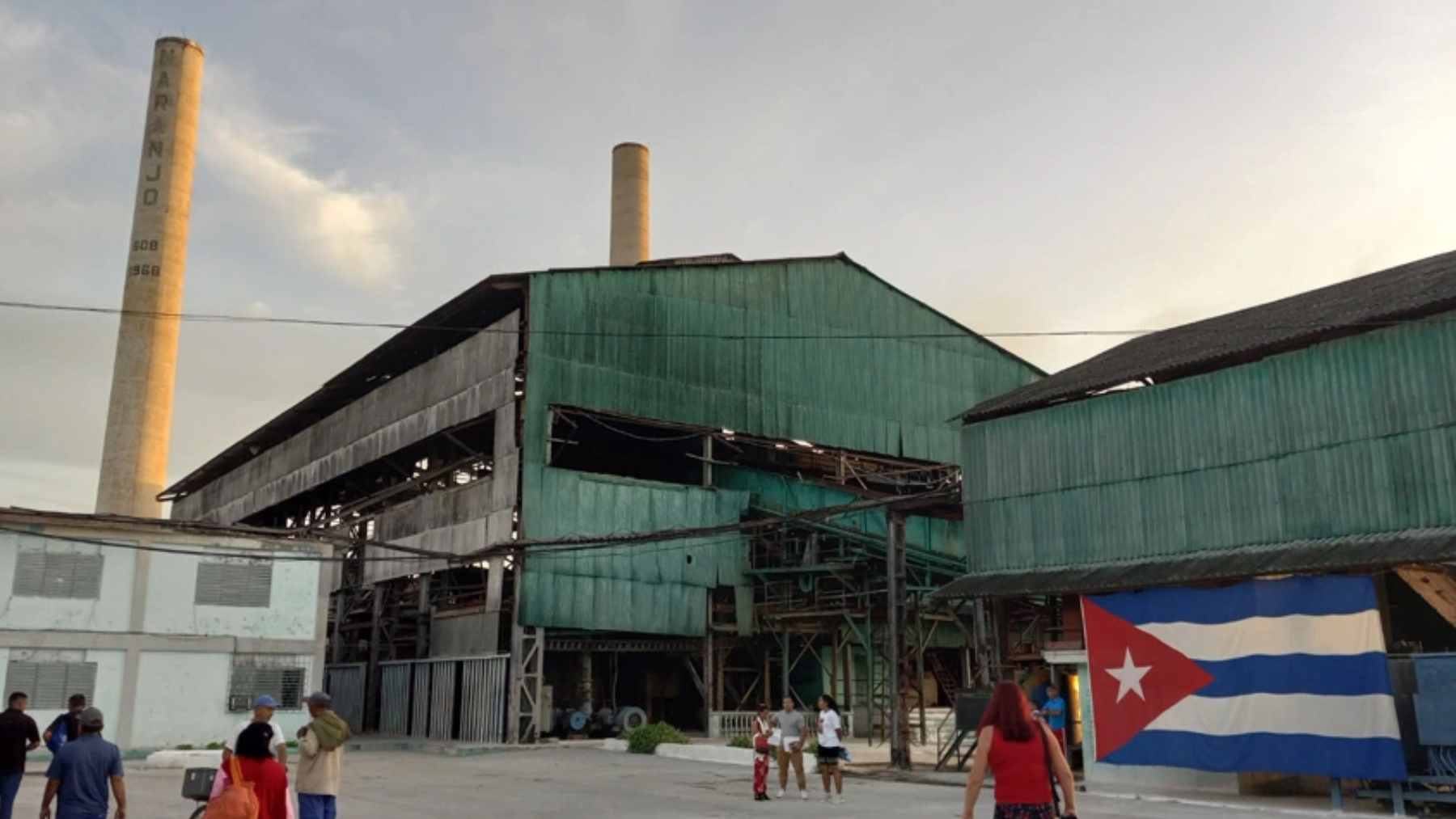
The report flags biomass, including sugarcane-based options, as part of a more balanced renewable mix. In practical terms, that depends on the health of the sugar sector, which has been sliding sharply, with Reuters reporting Cuban sugar output projected to fall below 220,000 tons in 2025 for the first time since the 19th century.
That tension matters for climate planning. If one green pathway depends on a collapsing supply chain, then the energy transition becomes less like a straight road and more like a maze with missing pieces.
Energy security is a defense issue, too
Electricity is not just an economic input, it is critical infrastructure. During the March 2026 nationwide outages, AP reported that authorities activated “micro-islands” of generation to supply vital centers like hospitals and water systems, a reminder that keeping the grid alive is tied directly to public safety and state capacity.
The political context is also part of the risk picture, especially for an island dependent on imported fuel. The Cuba Study Group report frames Cuba’s situation as exposed to external fuel disruptions while also emphasizing domestic policy choices, maintenance backlogs, and project execution failures as core drivers of the crisis.
What to watch next
For readers tracking the environmental story, the signals to watch are not only how many solar parks get built. It is whether grid losses come down, whether storage projects move from “plan” to hardware, and whether financing mechanisms become predictable enough that suppliers and investors stop treating the sector like a bad bet.
If Cuba can restore reliable firm capacity while pairing new solar with grid modernization and storage, the ecological payoff could be large, with fewer oil-based kilowatt-hours and less imported fuel vulnerability.
The report was published on Cuba Study Group.