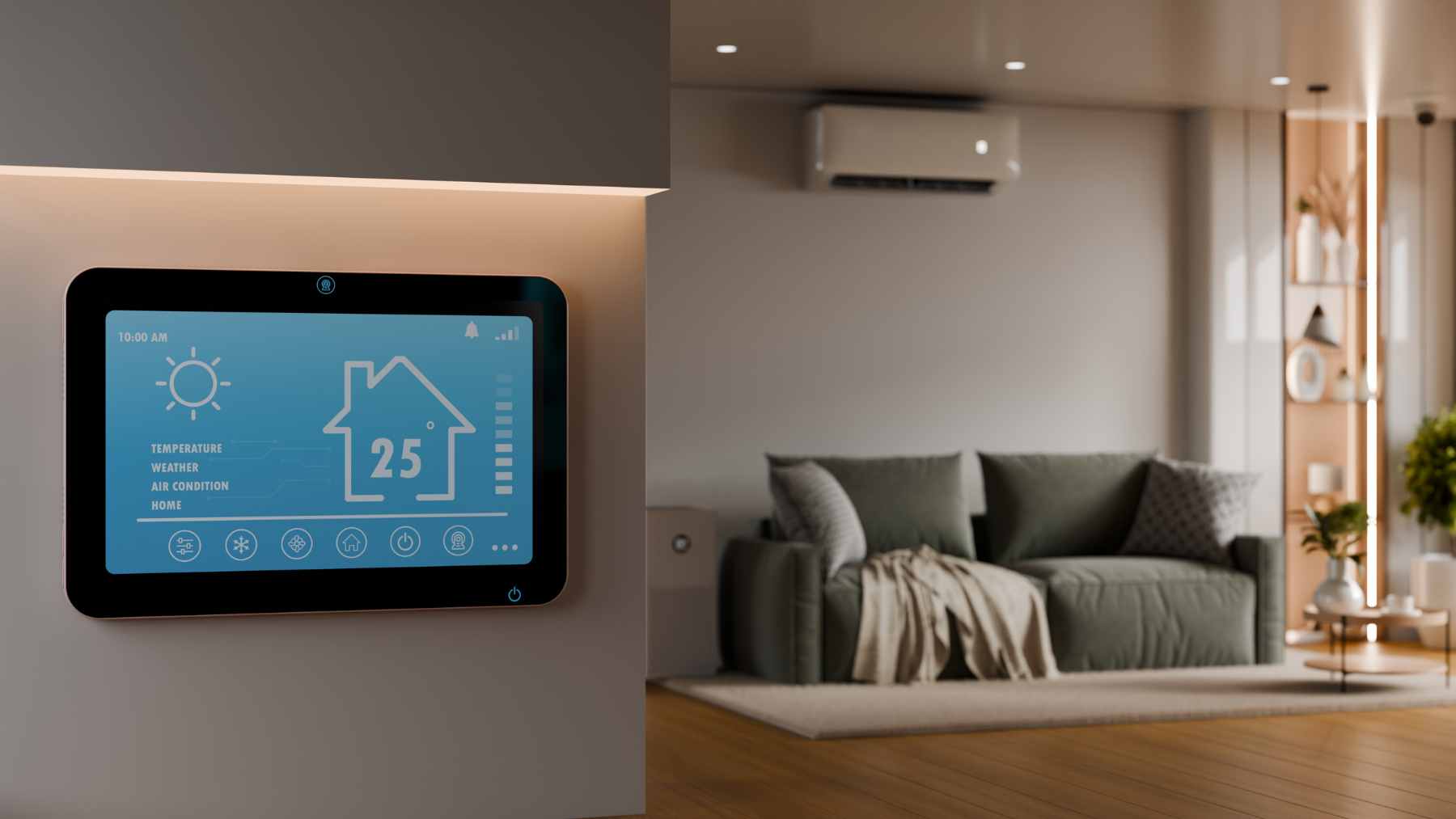
What happens when your internet drops and your lights, plugs, or thermostat stop listening? For a growing number of smart home users, that question is no longer theoretical.
A recent hands-on report from XDA found that blocking smart devices from reaching the internet did not break core functions at home, so long as those devices were built around local control instead of constant cloud access.
Smart home privacy, reliability, and e-waste
That matters for more than convenience. It also touches privacy, device lifespan, and, to a large extent, the environmental cost of a home packed with connected gadgets.
A smart home that depends less on distant servers creates less always-on traffic, avoids some forced update cycles, and is less likely to turn into e-waste when a company drops support. In practical terms, that means fewer “smart” products acting like dead weight the moment a service disappears.
Home Assistant Green and local control at home
The shift usually starts with the hub. Home Assistant says its Home Assistant Green device is designed as a plug-and-play option with Home Assistant already installed, while the platform itself describes its approach as “local control and privacy first”.
The company also says users can manage more than 3,400 integrations through the ecosystem.
Thread and Matter devices for offline smart homes
From there, the technology stack changes. Instead of relying only on cheap Wi-Fi gear that checks in with the cloud, many users are moving toward Thread or Matter-compatible devices for local operation.

The Connectivity Standards Alliance says Matter runs over technologies such as Wi-Fi, Ethernet, Thread, and Bluetooth, while Google notes that Matter-enabled devices are designed to work locally over the home network without needing cloud access for basic control.
The Thread Group also says Thread is not reliant on a home internet connection and provides a dedicated network for connected products in the house.
Why local smart home systems still have limits
That does not mean every device can go fully offline. Voice assistants from Amazon and Google still depend heavily on cloud services, and plenty of older Wi-Fi devices were never built for local-only use.
But users can isolate those products on an IoT VLAN and still keep them talking to a local server inside the home, a setup that security-minded enthusiasts increasingly recommend.
A local-first smart home can cut waste and data use
At the end of the day, this is about control. Your lights should work like a toaster, not like a subscription.
And when a smart home stays useful for longer, wastes less data, and keeps more processing inside the house, that is not just good for the electric bill. It is also a quieter win for the environment.
The official statement was published on Home Assistant, which says the platform puts “local control and privacy first”.