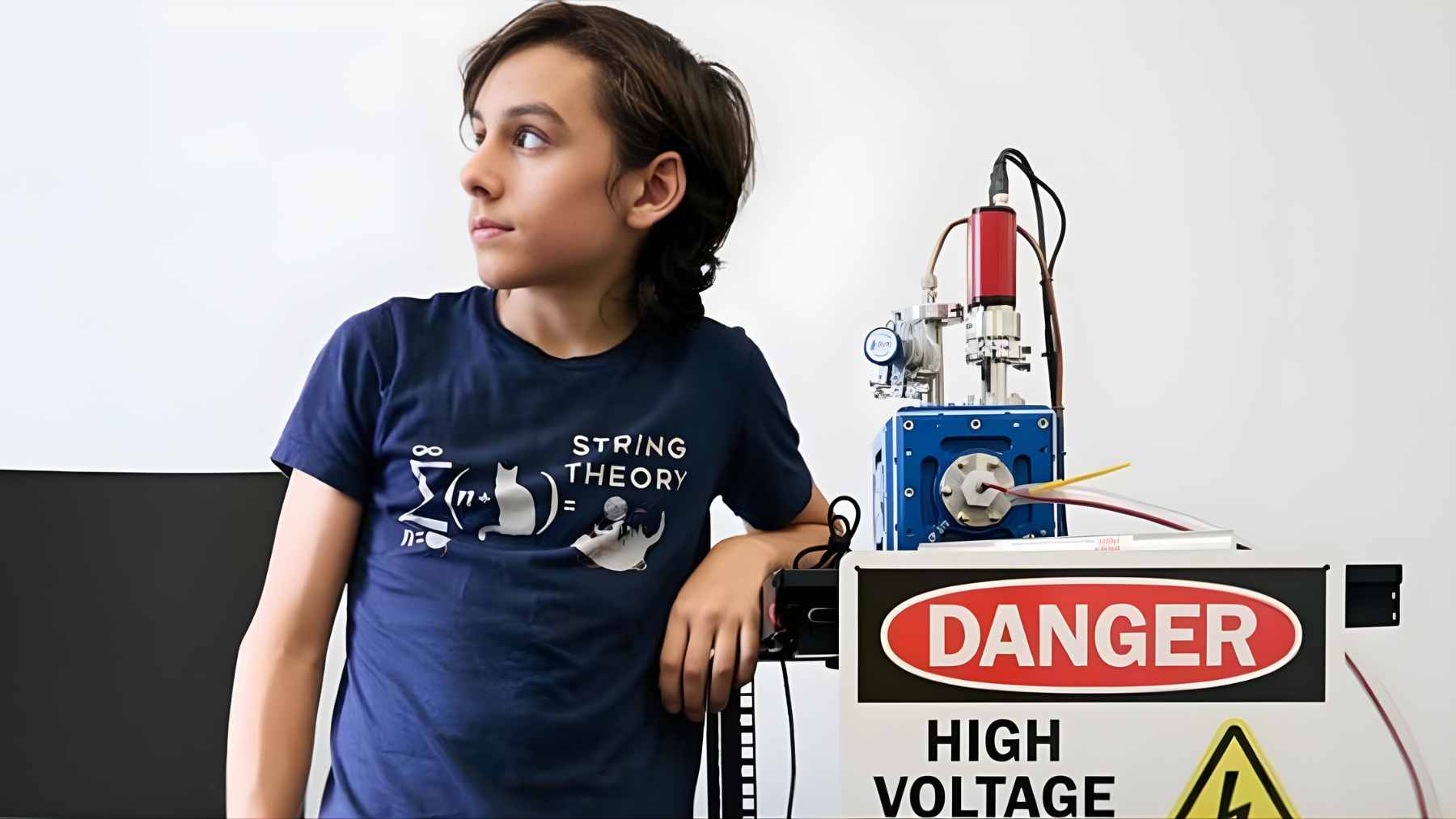
When most kids were splitting time between homework, video games, and hanging out with friends, Aiden McMillan was building a tabletop fusion device.
The Dallas student, now 13, says he achieved nuclear fusion in late 2024 after four years of study and trial and error, with neutron detections from his fusor marking the breakthrough.
If Guinness accepts the documentation, he could take the title from current record holder Jackson Oswalt, who still holds the official mark for youngest person to achieve fusion.
That is the eye-catching part. But there is a bigger reason this story matters. Fusion is the same basic process that powers the sun, and the International Atomic Energy Agency says it produces no CO2 or other harmful atmospheric emissions.
The U.S. Department of Energy now has a roadmap aimed at getting commercial fusion power to the grid by the mid-2030s. Still, let’s keep our feet on the ground. McMillan’s machine will not power the neighborhood or shrink anyone’s electric bill.
A small fusor and a very big lesson
McMillan’s path started during the pandemic, when he began teaching himself nuclear physics at 8. After about two years of self-study, he moved into prototypes and worked with help from mentors at Dallas Makerspace and the youth makerspace Launchpad Incubator.
Safety was never a side note. Fusors involve high voltage, radiation risks, and vacuum systems that can fail badly if they are mishandled. That part matters too.
In practical terms, a fusor feeds deuterium gas into a vacuum chamber and uses high voltage to accelerate charged particles until some collide and fuse.
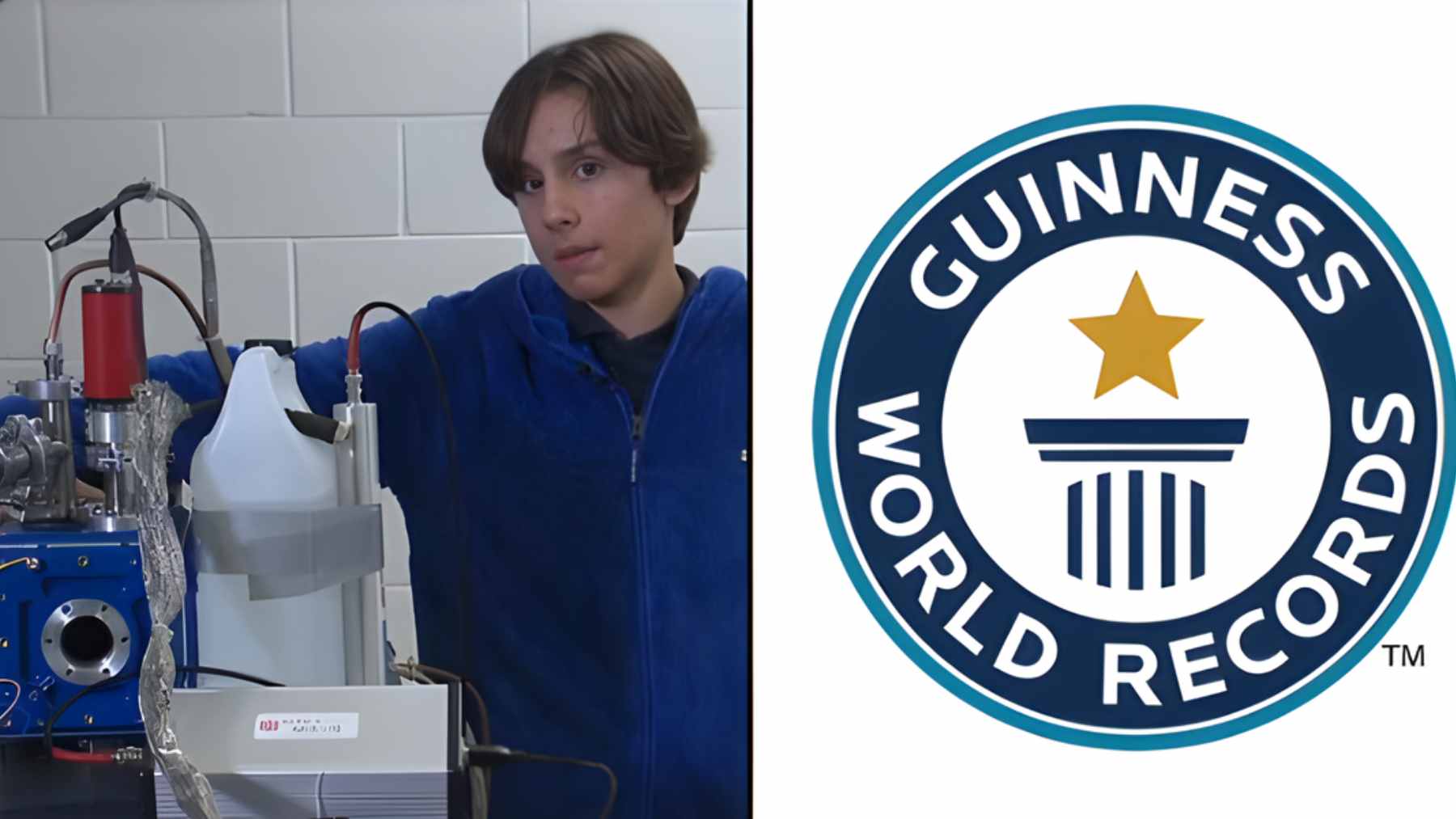
The neutron signal is the key clue that something real is happening inside. So when McMillan shouted “We got neutrons,” it was not just excitement. It was the moment years of after-school work turned into measurable results.
Why the clean energy angle matters
Could one teenager’s workshop project solve climate change? No. But it does show where the next wave of energy talent may come from. The IAEA says global private investment in fusion has now surpassed $10 billion, a sign that fusion is moving, slowly but clearly, from an experimental frontier toward a real industry.
That does not mean commercial fusion is around the corner for most households. It does mean that curiosity, tools, and mentorship are becoming part of the clean energy story too.
At the end of the day, McMillan did not build the future power grid in his workshop. But he did build a sharp reminder that big climate and energy ideas often start small, with one kid, one question, and a lot of patience.
The official roadmap was published on U.S. Department of Energy.