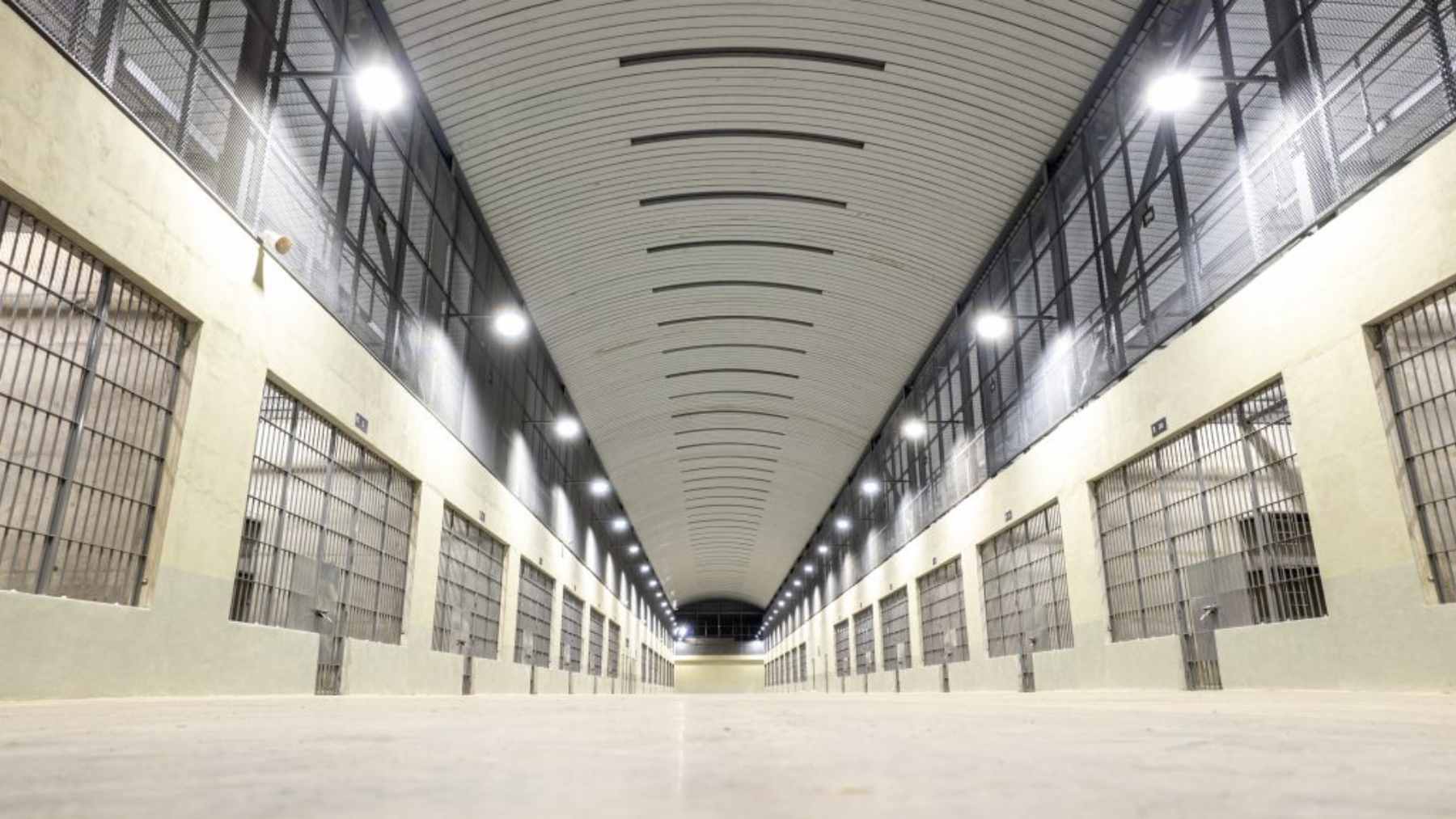
A Venezuelan barber living in Irving, Texas is suing the U.S. government for at least $1.3 million, alleging he was wrongly labeled a gang member, deported, and locked inside El Salvador’s notorious CECOT megaprison.
His case is being framed as a due process and accountability fight, but it also shines a bright light on something rarely discussed in public: the modern deportation pipeline is also a high-energy, high-logistics machine.
Why does that matter for ecology and the environment? Because border enforcement is no longer just agents and courtrooms.
It is charter flights, surveillance towers, cloud biometrics, and sprawling facilities that draw power and water every day, like any other industrial system. And when the system expands quickly, its environmental footprint tends to expand with it.
A barber, a tattoo allegation, and a megaprison
In his complaint filed in federal court in Washington, the man, Neiyerver Adrián Leon Rengel, says ICE officers detained him on March 13, 2025 while he was heading to work, and that the “only justification” offered was that his tattoos supposedly indicated membership in Venezuela’s Tren de Aragua gang.
The complaint says he was denied meaningful chances to contact family or see a judge, then put on a plane he believed was taking him to Venezuela, but which instead went to El Salvador.
Rengel’s filing alleges he spent roughly four months in CECOT and endured physical and psychological abuse there before being released in July 2025 as part of a U.S.-Venezuela prisoner swap.
DHS has disputed his account, saying he entered the U.S. illegally in 2023 and calling him a “public safety threat” and a Tren de Aragua associate.
Border tech that runs on biometrics and cloud power
The complaint centers on a very old-school form of “evidence” (tattoos), but the bigger enforcement trend is the opposite. DHS and CBP are building systems that rely heavily on biometrics and automated matching, including cloud-based facial recognition services used at ports of entry.
If you have ever watched an airport line move faster because a camera did the ID check, that is the kind of infrastructure now tied directly to immigration enforcement.
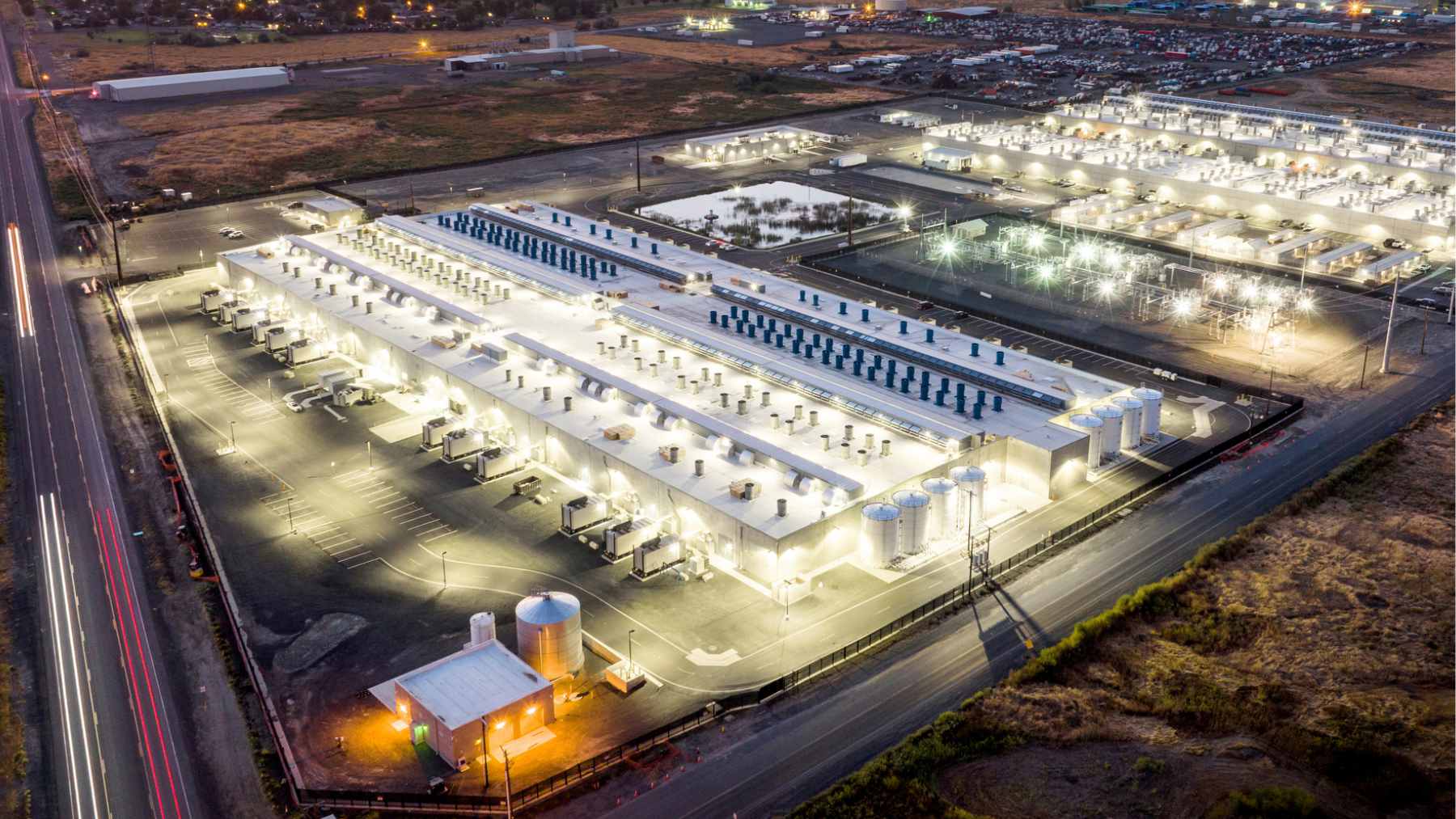
Here’s the ecological catch. “Cloud-based” still means physical data centers somewhere, drawing electricity and often large amounts of water for cooling, especially as AI-assisted analytics become more common.
Researchers tracking the carbon and water footprints of data centers warn those footprints can be significant, and they can grow quickly when computing demand rises.
The contracting economy behind removals
Deportation at scale is also a business ecosystem, with aviation, detention, and technology vendors all competing for federal dollars. In Rengel’s case, the complaint names Global Crossing Airlines (often branded as GlobalX) as the charter carrier used for the flight to El Salvador.
And the flight tempo is not small. Human Rights First’s ICE Flight Monitor reported a record 2,253 removal flights from January 20, 2025 to January 20, 2026, a sharp increase compared with the prior year, with flights reaching dozens of countries.
More flights also means more aircraft positioning, more ground handling, and more “domestic transfer” flying inside the U.S., which adds up fast even when each individual trip feels invisible to the public.
Jet fuel, emissions, and the missing transparency
Aviation is a climate issue even before you zoom into deportation flights. The International Energy Agency estimates aviation produced almost 1.1 billion tons of CO2 in 2023, about 2.5% of global energy-related CO2 emissions.
It is not the biggest slice of the pie, but it is one of the hardest to decarbonize quickly, which is why every avoidable flight is now part of a bigger debate.
The chemistry is straightforward. The U.S. Energy Information Administration’s emissions coefficients put jet fuel at about 21.5 lbs. of CO2 per gallon burned, and charter flights burn a lot of gallons over long distances.
So what should readers keep in mind? When deportation flight counts hit record levels, the environmental “tab” rises too, even if no agency press release mentions it.
That is why climate accounting is starting to collide with immigration policy in an unexpected way, because it is difficult to talk about emissions reductions while expanding a fuel-intensive enforcement system without even publishing the numbers.
Wildlife corridors and floodplains feel the pressure too
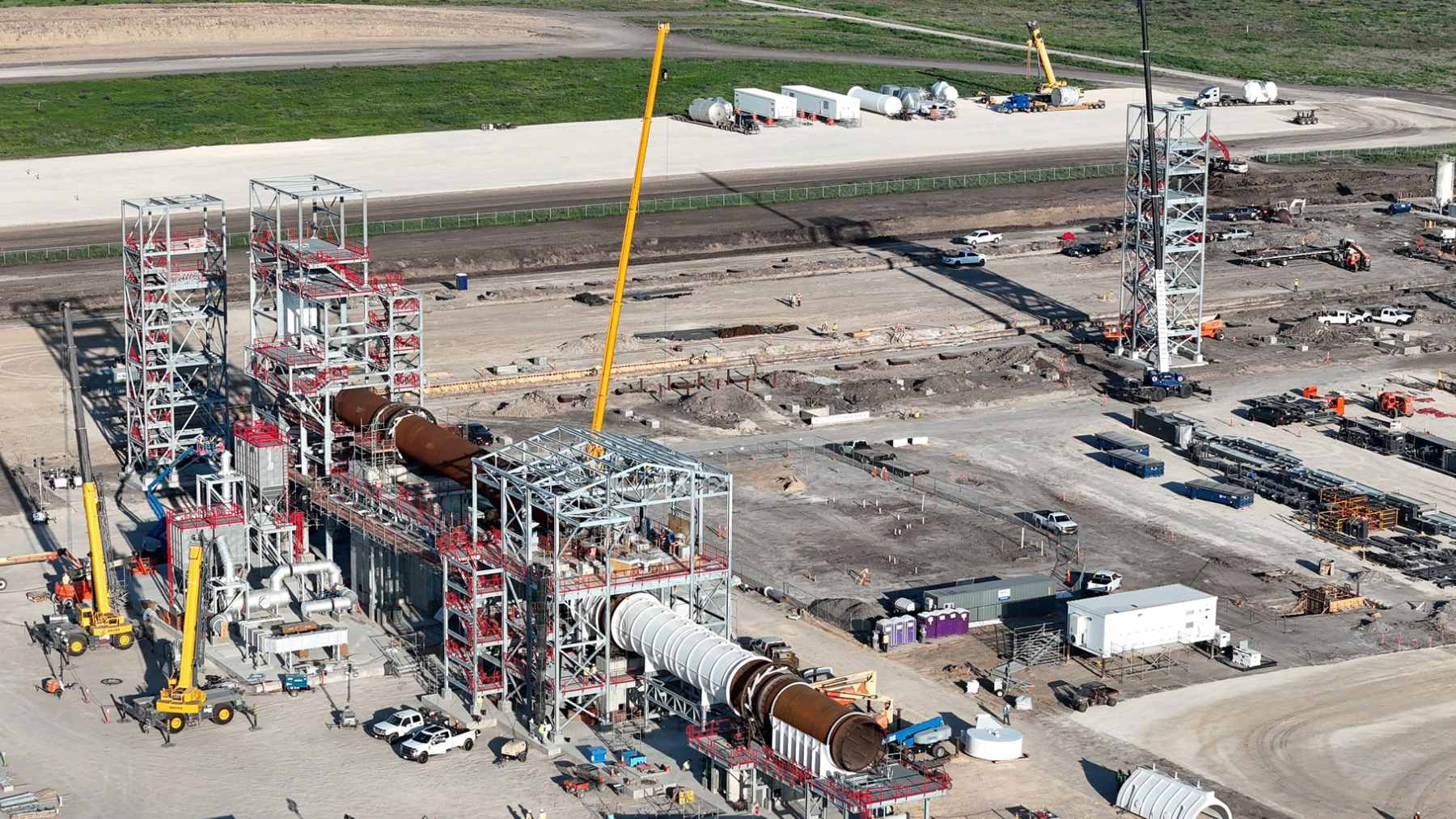
The environmental impact is not only in the air. Border infrastructure on the ground, including barriers and the access roads and lighting that follow, can fragment habitats and disrupt water flows, which matters more as heat and extreme weather strain ecosystems.
Federal watchdogs at the GAO have documented cultural and natural resource impacts from southwest border barrier construction and described how legal waiver authorities were used to bypass multiple environmental and resource-related laws during major buildouts.
Even today, wall construction can move ahead with fast-track waivers, including in ecologically sensitive areas. DHS publicly issued a waiver in August 2025 for border wall construction in Texas, explicitly citing the authority to waive environmental laws such as NEPA.
At the end of the day, Rengel’s lawsuit is about one man’s alleged misidentification and the consequences that followed, but it also points to a larger reality.
Border enforcement now looks like a combined military-style logistics and tech program, and programs like that leave environmental footprints whether anyone budgets for them or not.
The complaint was published on CourtListener.