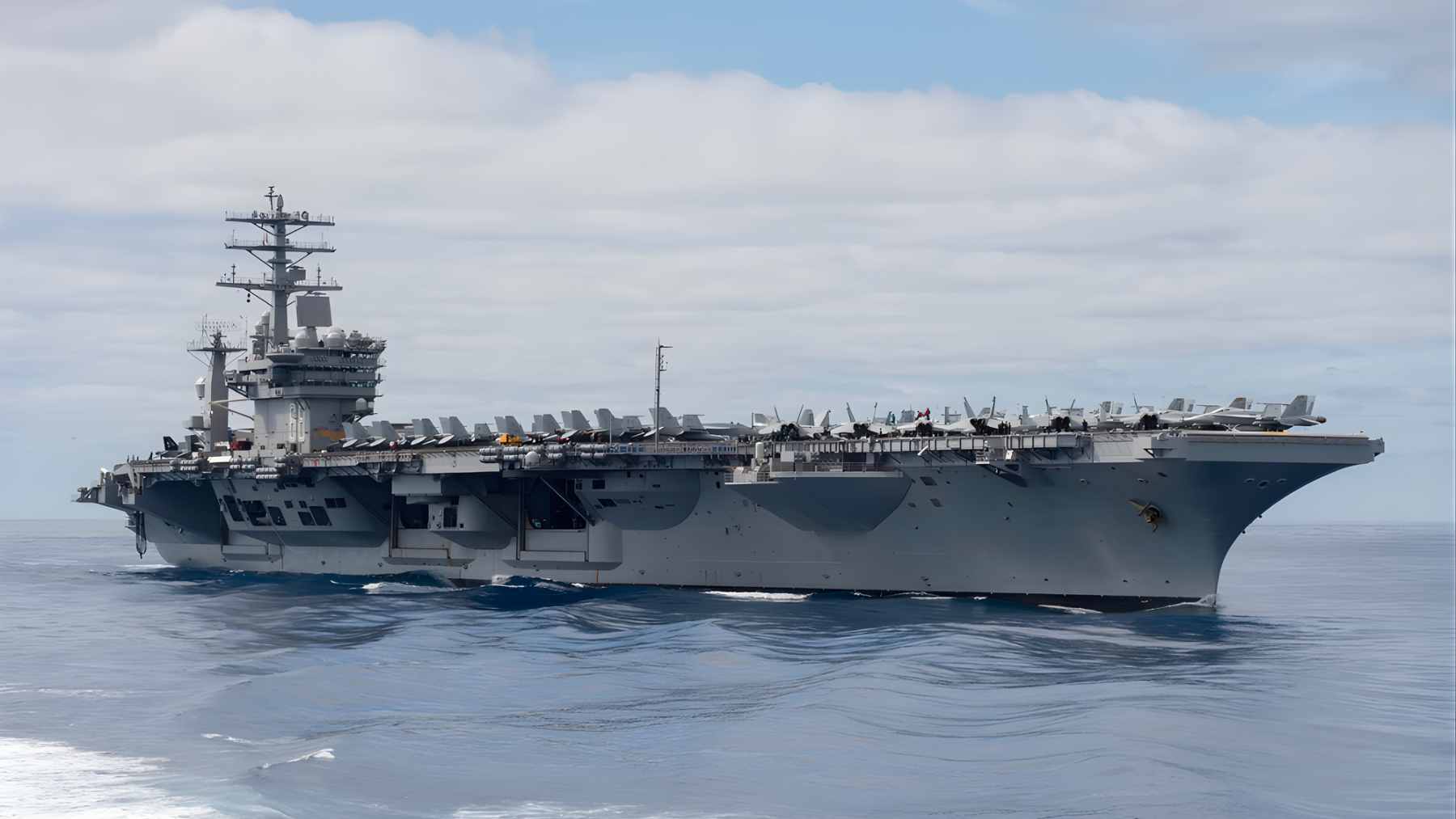
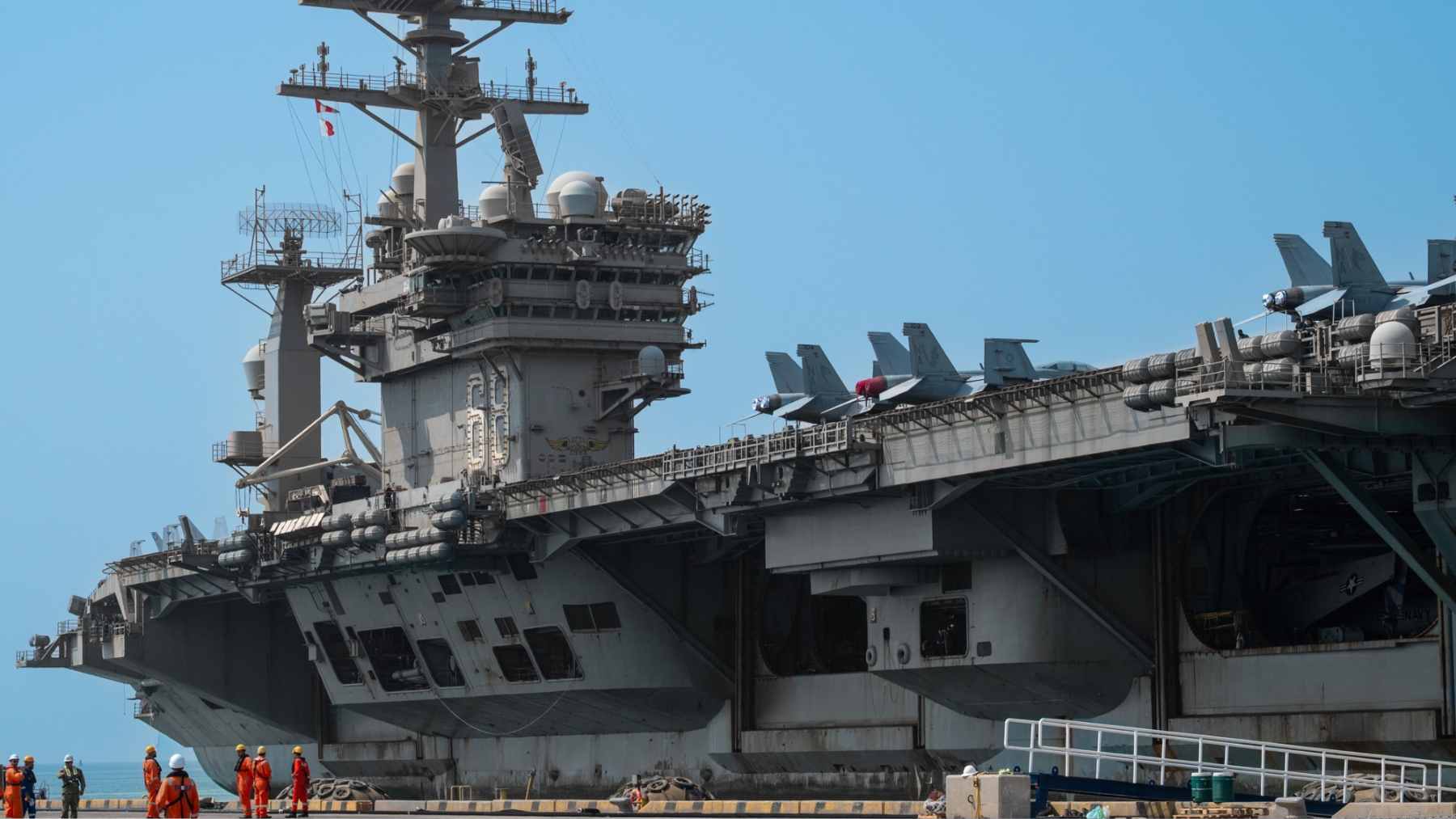
USS Nimitz just left Naval Base Kitsap in Bremerton, Washington, for the last time, starting a long journey toward its new homeport in Norfolk, Virginia. The Navy says the move is tied to Southern Seas 2026, a deployment built around training with partners as the carrier strike group circles South America.
It sounds like a straightforward defense story, but there is a quieter environmental one underneath it.
Nimitz is nuclear powered, yet the carrier’s aircraft, escorts, and supply chain still run on massive amounts of fossil fuel, and its eventual inactivation creates a nuclear waste and recycling challenge that can’t be hand waved away.
A long way around
This trip is longer than it needs to be because Nimitz is too large to transit the Panama Canal, so it has to go around Cape Horn at the tip of South America. Stars and Stripes reported an estimated 12,400-nautical-mile voyage from Bremerton to Norfolk, which is a lot of ocean for any “floating city” to cross.
It also lands at an awkward moment for global shipping, since the Panama Canal has been squeezed by drought and freshwater limits in recent years. Even though the carrier’s problem is size, not water depth, the bigger takeaway is the same, climate-stressed infrastructure is changing how the world moves.
Southern Seas 2026 adds another layer because it is not just a transit. The Navy says the deployment includes operations at sea with partner navies, subject matter exchanges, and opportunities for regional leaders to observe carrier flight operations up close.
Where the emissions really come from
Here’s the part many people miss: in its own greenhouse gas plan, the Department of Defense reported that in FY 2021 its Scope 1 and Scope 2 emissions totaled 56 million tons of CO2 equivalent, with 63% coming from operational sources.
The same report puts jet fuel at the center of the story, saying “jet fuel combustion accounted for 80% of operational emissions and 50% of total DoD emissions.” That one line explains why a nuclear carrier still matters for climate accounting.
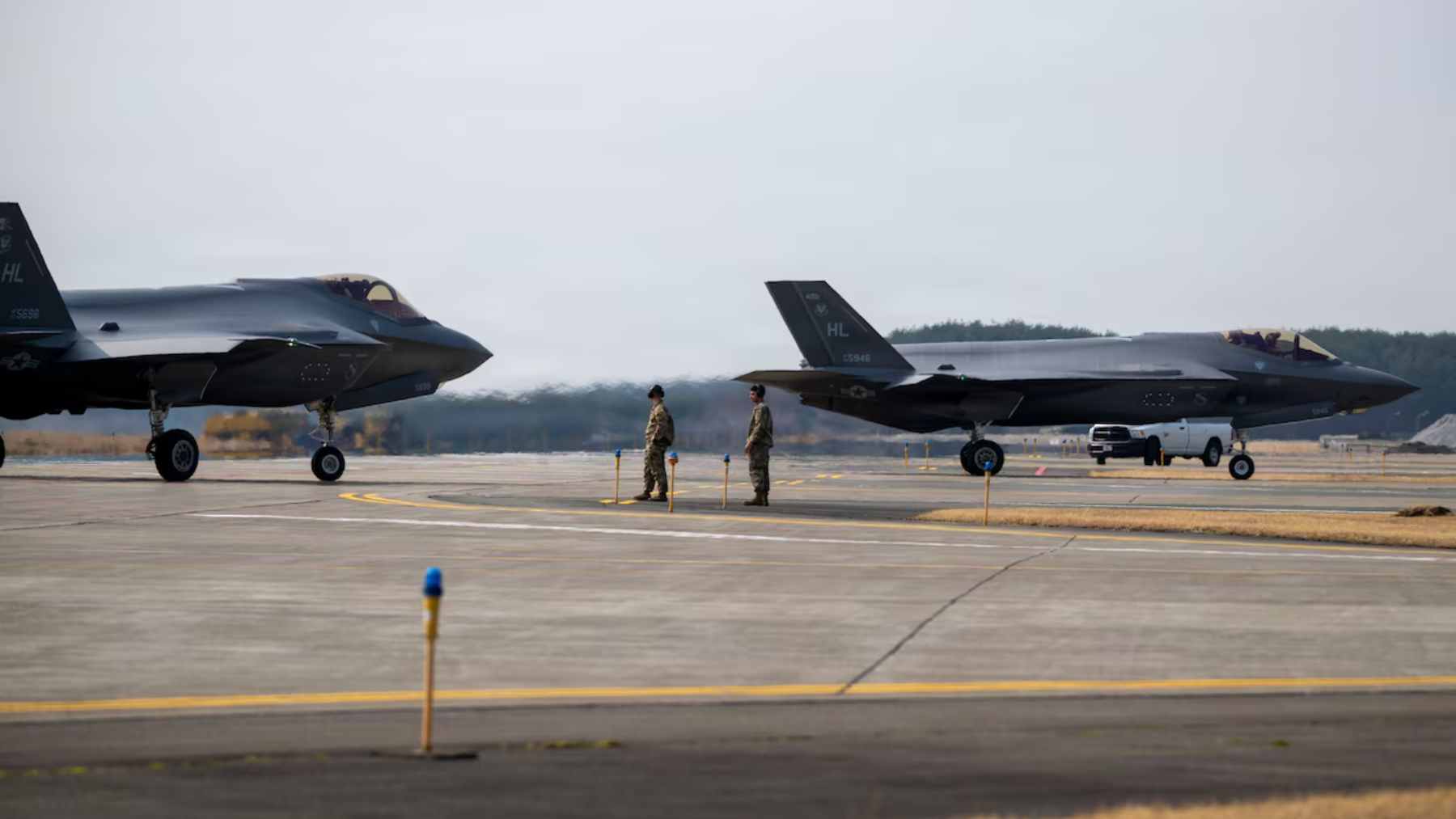
Nimitz’s own recent operating tempo shows the scale involved. In a Navy account of the ship’s departure, the service said the carrier strike group completed more than 8,500 sorties and 17,000 flight hours on its most recent deployment, along with 50 replenishments at sea and more than 82,000 nautical miles sailed combined.
Nuclear power is not a free pass
Yes, nuclear propulsion changes the math on ship fuel, and it is one reason carriers can stay at sea for long stretches. But retirement is where the environmental tradeoffs get harder, because nuclear powered ships require a tightly managed defueling and disposal process that can take years.
The timeline is also shifting in real time. In mid March, the Navy extended Nimitz’s service life to March 2027, according to reports that included a Navy statement, largely to keep the fleet at 11 carriers while the next Ford class ship arrives. In practical terms, that means the footprint of day-to-day operations continues longer than many expected.
If you want a preview of how complicated nuclear carrier end-of-life can be, look at USS Enterprise. Federal documents around Enterprise’s reactor plant disposal highlight how much planning and regulatory work goes into dismantlement and long-term handling once the fuel is removed.
The retirement business boom
There is also a business angle that rarely gets the headline space. USNI News reported that the Navy issued a $96 million contract to Huntington Ingalls Industries Newport News Shipbuilding for advanced planning and long lead materials tied to Nimitz’s inactivation work.
Scrapping big ships can sometimes pay for itself, at least partly, because steel has resale value. A GAO report noted the government’s cost for recycling recent ships ranged from “1¢ to $6 million” due to scrap value, although nuclear-powered carriers are a different category with extra constraints and specialized work.
Then there is the supply chain pressure that comes from climate reporting itself. The Pentagon’s Greenhouse Gas Plan discusses a proposed federal contractor disclosure rule that would push major contractors to publicly report emissions and climate-related financial risks, which can reshape procurement in everything from fuels to shipyard processes.
Tech that could make the next era cleaner
The Navy is betting that newer carrier technology can do more with the same footprint, even if it can’t eliminate aviation fuel overnight.
On the Ford class, systems like the Electromagnetic Aircraft Launch System are meant to expand what carriers can launch now and in the future, and testing reports describe EMALS and Advanced Arresting Gear as core parts of the new design.
The less flashy tech matters, too. The DoD climate plan says it spent $3.3 billion in FY 2021 to power, heat, and cool roughly 284,000 buildings, and it points to efficiency and clean on-site power as part of resilience planning against extreme weather and grid disruptions (the kind of outages that make you think about your own electric bill).
Even the reactors themselves have become part of a tech conversation. Stars and Stripes reported that the Navy is still working through options to dispose of or potentially reuse reactor plants from Nimitz class carriers, including ideas tied to land-based power needs like data centers, though any real move would require careful oversight.
The official statement was published on U.S. Navy.