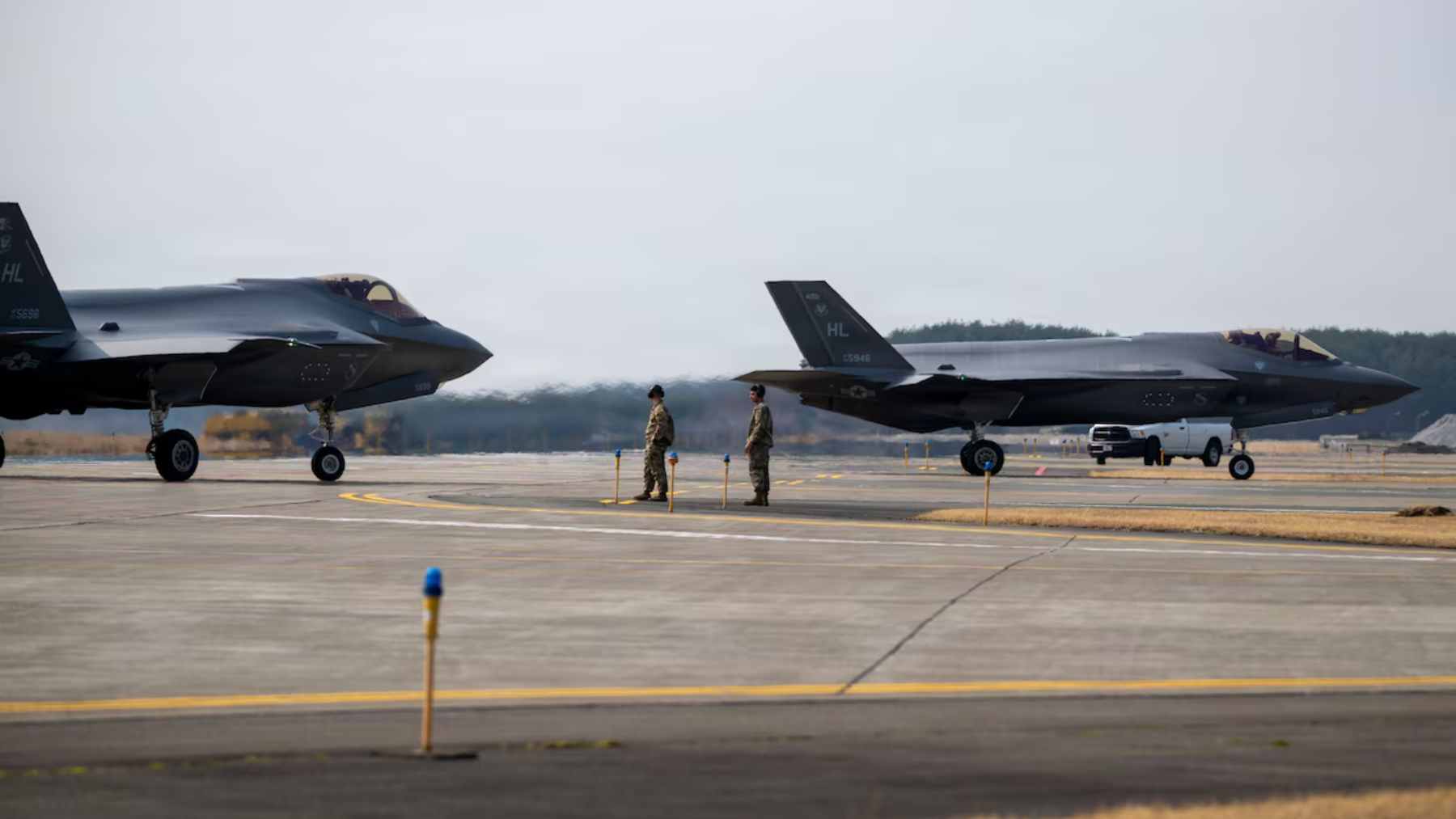
The US Space Force is weighing whether to walk away from a next-generation GPS ground control program that was supposed to modernize how America runs and protects its navigation satellites. After 16 years of work and roughly $8 billion in total expected costs, the new software still is not operational, even though it was formally delivered last summer.
That matters well beyond the Pentagon. GPS is woven into daily life in ways most people never notice, from disaster response and power grid timing to the routing tools that help shave fuel off flights and shipping runs.
When the backbone is shaky, the ripple effects can land in places that feel very real, like the electric bill after a storm or the supply delays that follow a disrupted port.
A troubled upgrade with real consequences
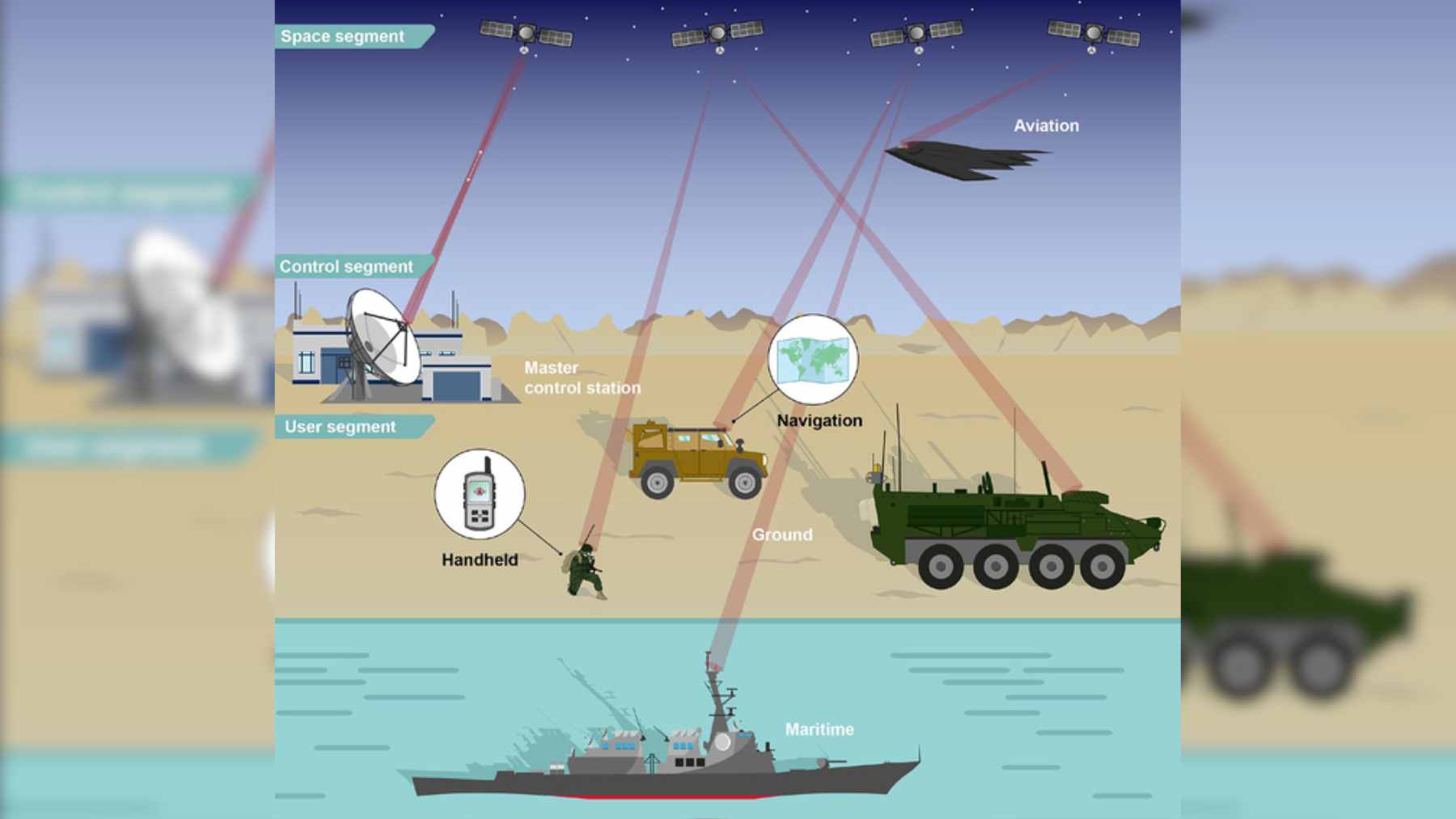
The program is called the GPS Next Generation Operational Control System (OCX), or OCX. RTX, previously Raytheon, won the contract in 2010, with an early goal of completion around 2016, but the project has faced long delays and cost growth.
In written testimony dated March 25, 2026, Thomas Ainsworth, performing the duties of the Air Force’s senior space acquisition official, said operationally realistic testing uncovered extensive issues across subsystems and that many remain unresolved.
He also told lawmakers that continuing upgrades to the legacy GPS control system is now “a viable option” given the persistent problems.
The stakes are high here. OCX is meant to manage newer GPS signals and improved anti-jamming and anti-spoofing features tied to the GPS III satellite generation, which began launching in 2018.
Why GPS reliability shows up in climate resilience
GPS is not just about getting a blue dot on your phone. The US government’s GPS program office highlights how GPS supports emergency management, including locating victims and coordinating responders during disasters. When wildfires, hurricanes and floods hit, that positioning and timing layer is part of the glue that keeps response efforts moving.
Here’s the uncomfortable question: if hostile jamming or spoofing grows, or if upgrades stall, does that make it harder to keep critical services steady during a crisis? The Space Force has been clear that interference and spoofing are current and growing threats, and that modernization is meant to mitigate them.
A lot of climate adaptation is really systems management. You can build stronger levees and cleaner grids, but if navigation and timing degrade at the wrong moment, recovery becomes slower and more expensive, and emissions can climb as logistics get inefficient.
The war zone problem that spills into the economy
Ainsworth’s testimony and related reporting point to the urgency of more resilient military grade signals, especially as jamming and spoofing have become common features of modern conflict.
The Pentagon’s modernization push leans heavily on “M-Code,” a more jam-resistant, encrypted GPS signal intended to be harder to spoof. GAO describes the broader effort as adding anti-jam and anti-spoof cybersecure capability, while Space Force statements emphasize improved accuracy and jam resistance on newer satellites.
The environmental connection is indirect but real. When navigation trust breaks down, planes, ships, and trucks fall back to less efficient operations, adding time, fuel burn, and congestion. Think of the everyday version of this–like traffic piling up when routing systems get confused, except scaled to national infrastructure.
The hidden “green dividend” of precise navigation
For the most part, GPS quietly enables efficiency, and efficiency is often the easiest emissions reduction. In aviation, satellite navigation supports more flexible routing and can improve operational efficiency, which research and aviation bodies tie to lower fuel use and reduced greenhouse gases.
In agriculture, GPS is a core ingredient in precision farming, which aims to apply inputs more accurately and reduce waste. Recent academic reviews describe how GPS and related tools help optimize inputs like fertilizer and chemicals, cutting the environmental footprint while also lowering costs for farmers.
That’s why OCX’s struggles are not just a defense procurement headache. They are a warning about what happens when foundational tech drifts out of sync with the world that depends on it.
What to watch next
The near-term question is whether the Pentagon keeps trying to make OCX work, pivots to the legacy system, or pursues a hybrid approach. Ainsworth’s testimony suggests all options are being evaluated, including paths that reduce reliance on the troubled new software.
The longer term question is whether the US treats GPS modernization like critical infrastructure, not just a weapons enabler.
Reliable positioning, navigation, and timing underpins disaster response and efficiency across the economy, which in practical terms means fewer wasted miles, fewer wasted hours, and less fuel burned when things go wrong.
The official statement was published on House Armed Services Committee.