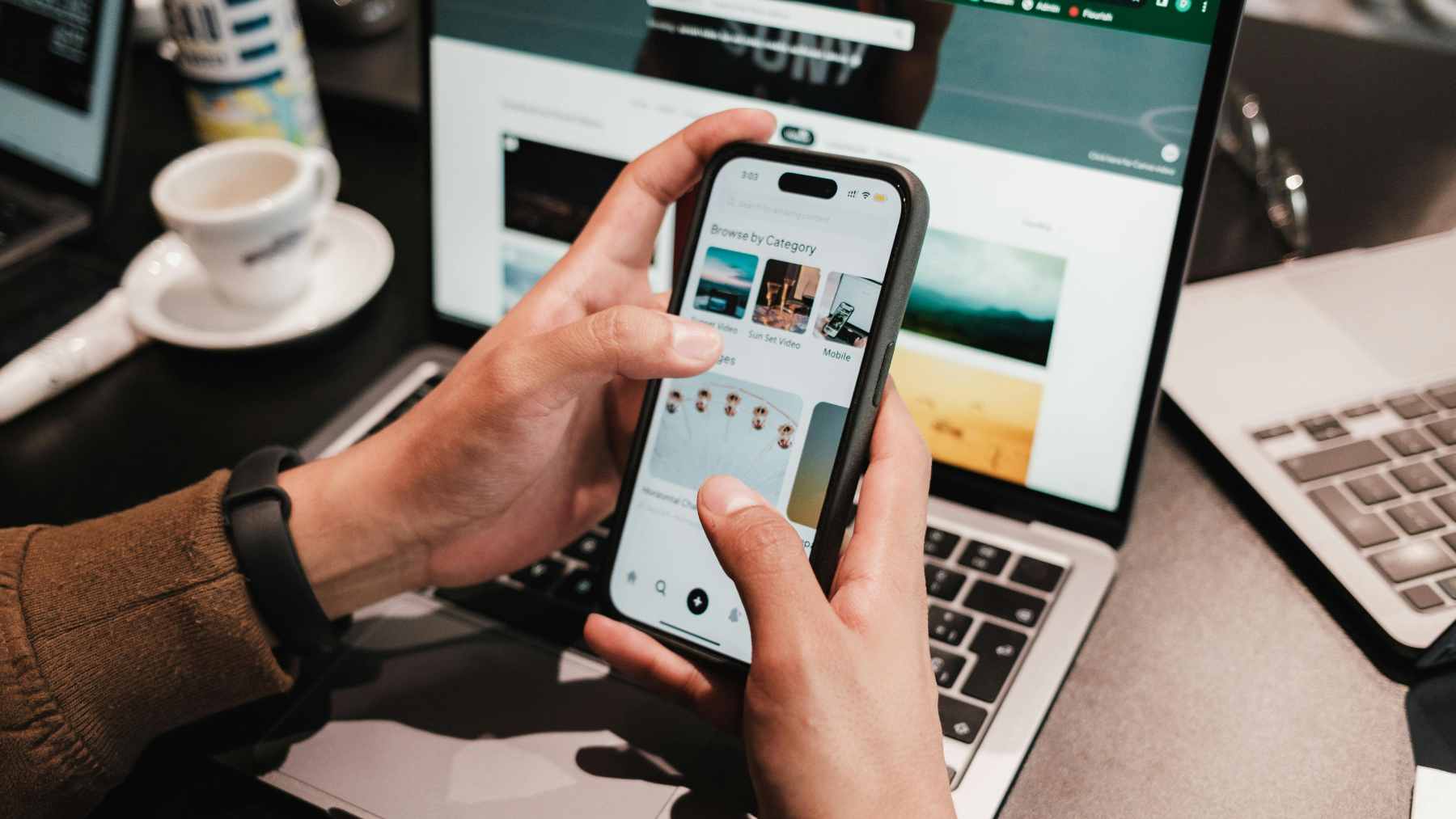
Your phone buzzes, you glance, you lock the screen, and you tell yourself you are done. Five minutes later, you are back. New research from Aalto University suggests that this stop-and-start pattern, not total screen time, is what most strongly predicts information overload.
And there is a bigger backdrop here: digital services run on electricity and equipment, from the phone in your hand to the servers that keep apps humming. If the real driver is “how often” we check, not “how long” we stay, that gives tech companies and regulators a surprisingly concrete lever to pull.
Micro-checking beats total screen time
The researchers tracked nearly 300 adults in Germany for seven months across smartphones and computers, logging app and website use and collecting repeated surveys on information overload.
The related CHI 2026 paper describes 277 participants and more than 13 million passively observed web traces paired with four survey waves, which makes the dataset unusually rich for this kind of question.
The takeaway is clear. “Screen time does matter, but the heaviest users aren’t the most overloaded,” doctoral researcher Henrik Lassila said. The people who felt most overwhelmed were the ones who kept returning for brief moments and then putting the device down again.
This “bursty” behavior showed up most often on mobile devices and especially around messaging, but total messaging time alone did not explain overload.
In the CHI paper, morning mobile device duration also predicted overload, while desktop use did not show the same relationship. So, it is not only what you do online, but when and how fragmented it becomes.
The environmental footprint behind the buzz
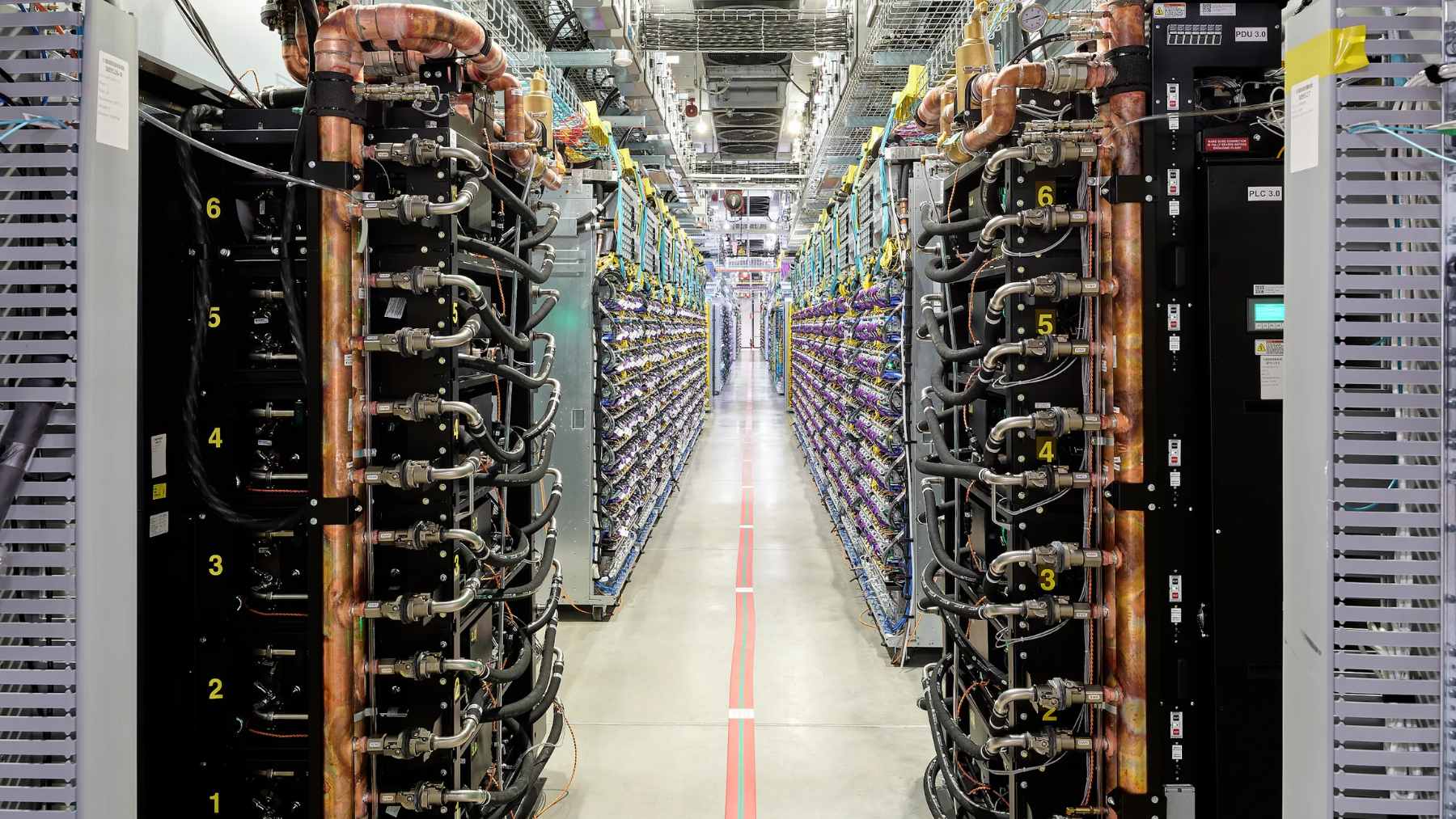
It is easy to think of scrolling as weightless, like it disappears into the cloud. But the International Energy Agency says data centers used about 415 terawatt-hours of electricity in 2024, around 1.5% of global electricity consumption, and it projects data center electricity use will more than double to around 945 terawatt-hours by 2030.
Phones matter, too, and most of their climate impact is tied to making them. The Carbon Trust estimates that production and manufacturing are around 80% of a smartphone’s total lifecycle footprint.
A 2026 analysis in Nature’s Communications Sustainability puts the wider digital economy in perspective, estimating embodied emissions of digital industries at 4.1% of global emissions in 2021, with most of those emissions occurring upstream in supply chains.
The Aalto study does not measure emissions, so it cannot tell us the carbon price of a single “quick check.” Still, it highlights a behavior that software design can amplify at massive scale, and that scale is exactly what energy planners worry about.
When everything nudges you to check again, you are not just spending attention, you are leaning into a system that is expanding its physical footprint.
Business and defense both want less noise
For a long time, the tech business has treated more sessions as growth. Push notifications, streaks, and “one more update” designs are effective because they create short returns, and the Aalto researchers are essentially saying those short returns are where overload concentrates.
That matters for sustainability reporting, too. The Nature paper finds that 77% to 87% of digital industries’ emissions occur upstream, and it also shows that a large share of digital emissions ends up embedded in non-digital industries that depend on digital hardware and services.
If product decisions indirectly encourage faster device turnover or more computation-heavy features, the environmental story does not stop at a company’s own data center.
Defense researchers have been wrestling with overload for decades, because in high-stakes settings “too much information” can be dangerous. A National Academies report on soldier systems argues that technology should provide a “compatible information load” and shift overload away from the most intense moments. In practical terms, the lesson is the same as on your commute or during a heatwave alert: filter hard and do not flood the operator.
What to watch and what to do next
The simplest advice in the Aalto release sounds almost old-fashioned. Professor Janne Lindqvist says, “You don’t need to respond to every ping immediately. Do one thing at a time,” and recommends turning off non-essential notifications. She also suggests batching messages, such as checking twice a day and replying in one session.
The research also points to a better metric than raw screen time. A “micro-check tracker” that shows how often you return in short bursts is more actionable than a single daily total, because it targets the pattern linked to overload.
If platforms start measuring and reducing micro-checking, that could line up user wellbeing with a more efficient digital ecosystem.
The CHI 2026 paper “Stop Fiddling With Your Phone and Go Offline” will be presented in Barcelona, and the team says a follow-up study under peer review links overload with stress, negative emotions, and anxiety.
The press release was published on Aalto University News.