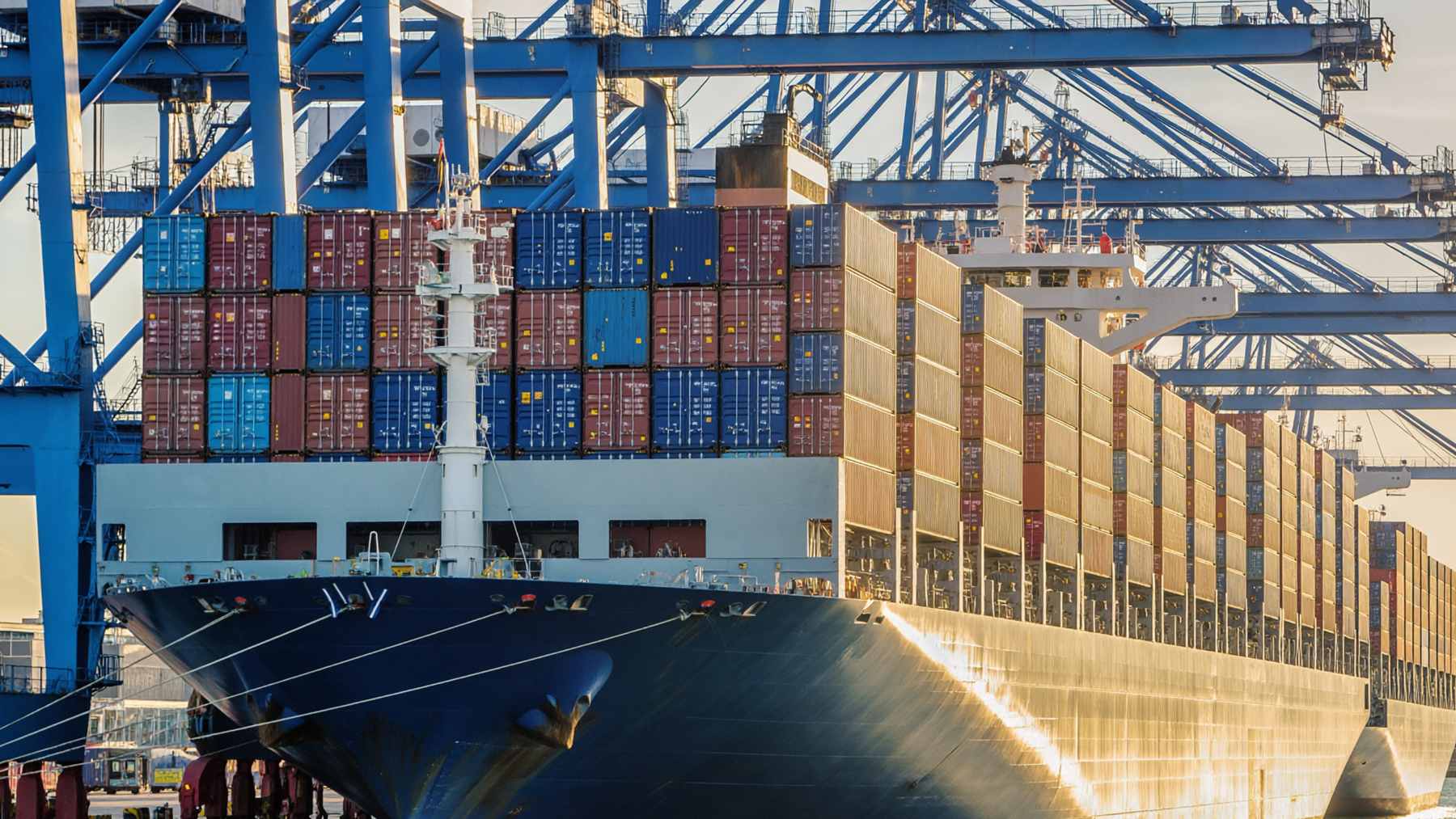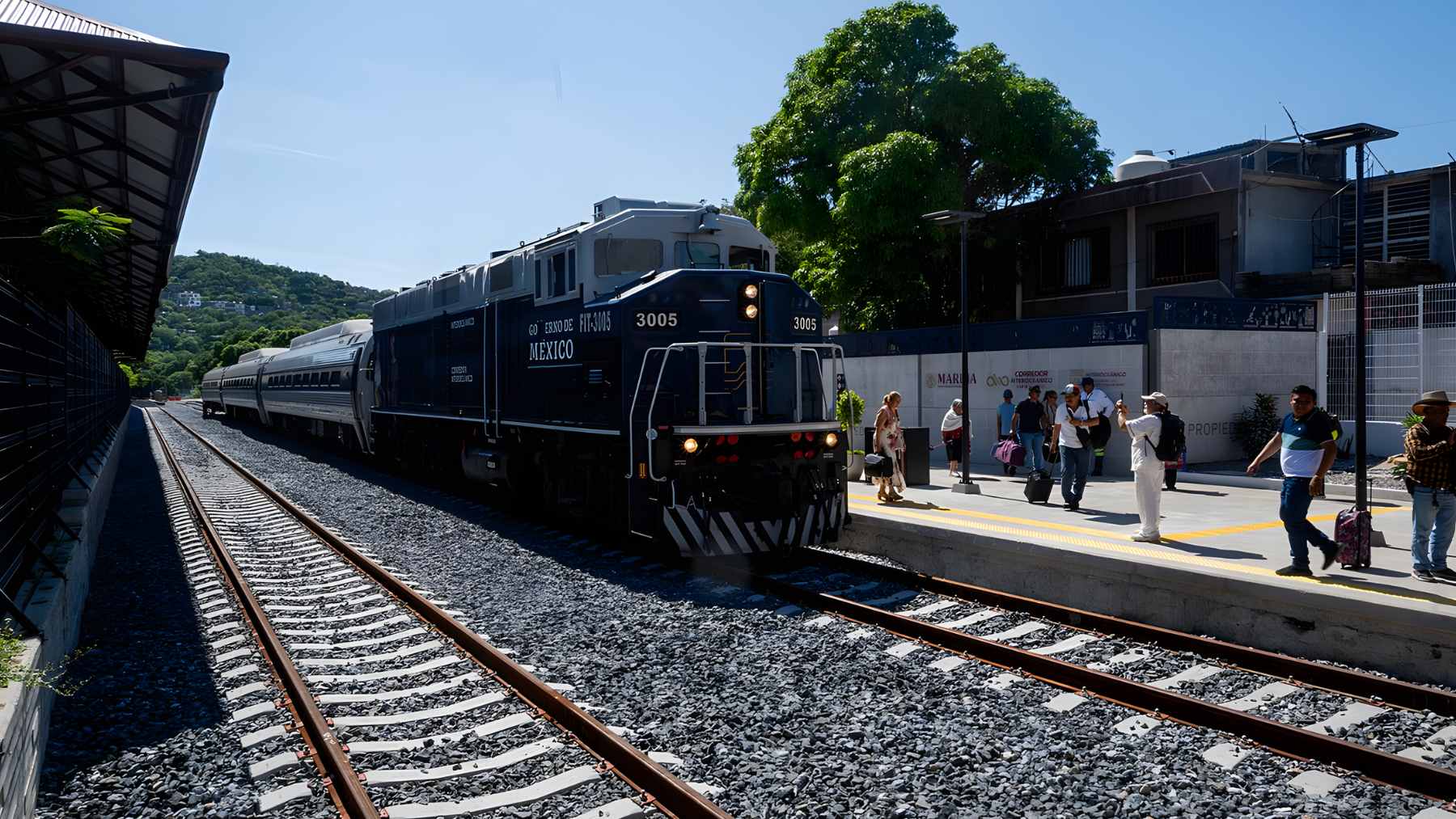
What happens when one trade route runs short on water? Mexico wants to be part of the answer. Its Interoceanic Corridor across the Isthmus of Tehuantepec is being built as a rail and port link between Salina Cruz on the Pacific and Coatzacoalcos on the Gulf, giving cargo another way to cross southern Mexico without relying on Panama’s lock system.
Mexican government project materials describe it as a multimodal logistics platform, and planning documents tied to the corridor have pointed to capacity of about 1.4 million containers a year.
Panama Canal drought and why the timing matters
The timing matters. In 2023, Panama suffered one of its worst droughts on record, and the Panama Canal’s water shortage cut shipping by about 30 percent.
The canal authority reduced daily transits from a normal 36 to as low as 22, a reminder that one climate shock can ripple through supply chains and, eventually, into everyday costs that show up in the price of goods and the family budget.
Is Mexico’s dry canal really a greener freight option
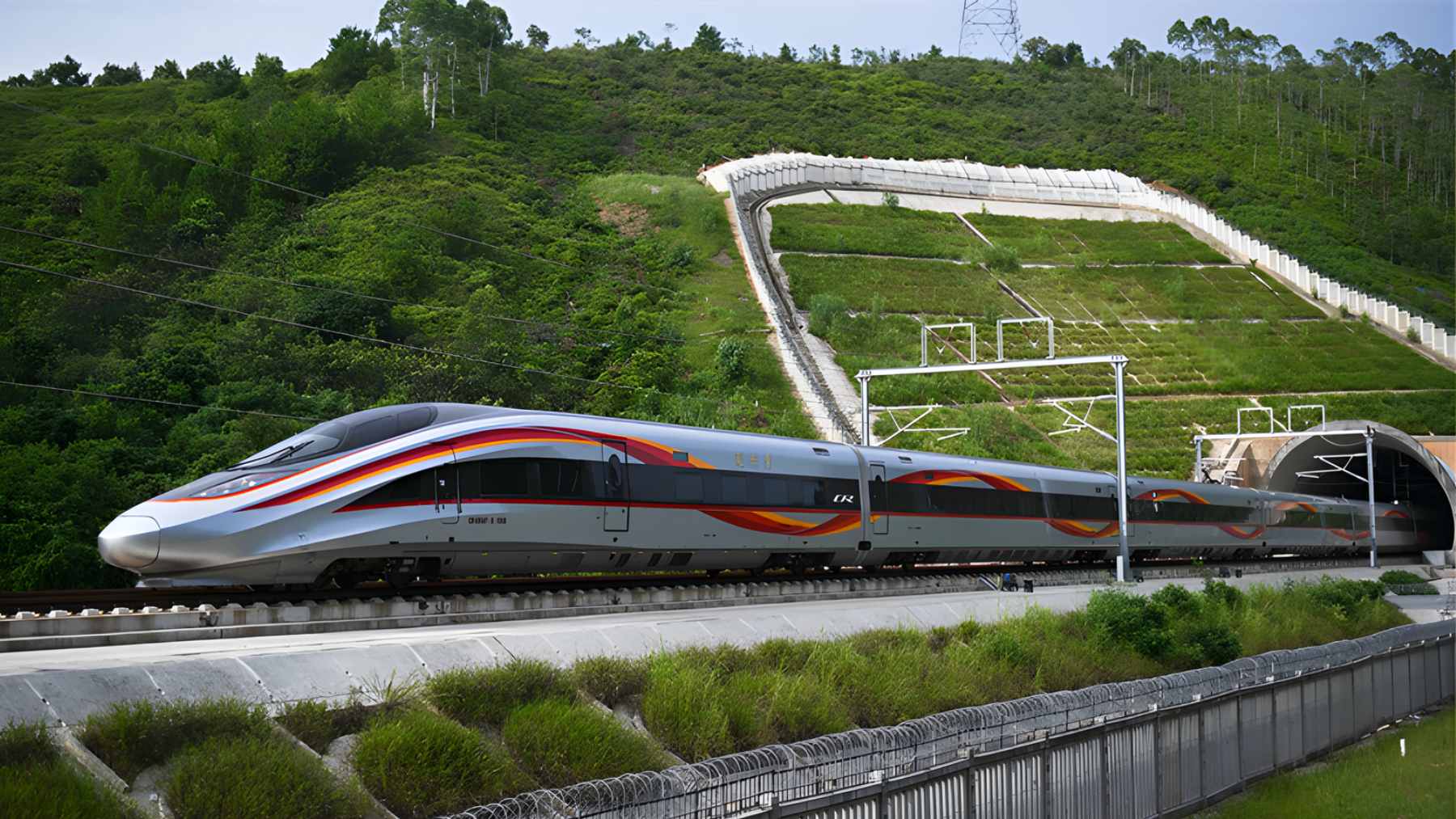
That is why Mexico’s rail bridge looks attractive from a climate perspective, at least to a point. Rail freight is generally far more fuel efficient than long haul trucking.
The Federal Railroad Administration says trains are about four times more efficient than trucks, and industry estimates commonly put greenhouse gas cuts near 75 percent when freight moves by rail instead of road. In practical terms, that means a port to port train crossing could help avoid some of the fuel burn tied to delays, detours, and trade alternatives.
Environmental risks in one of Mexico’s most biodiverse regions
But that is only one side of the ledger. The corridor is not just rails and cranes. Official Mexican project descriptions include multiple development poles and supporting infrastructure, while background material tied to the project has highlighted natural gas, industrial expansion, and large scale land transformation in one of Mexico’s most biodiverse regions.
So the green case is not automatic.
It depends, to a large extent, on whether freight really shifts away from dirtier routes and whether forests, rivers, and local habitats are protected instead of pushed aside.
Train safety, local communities, and the real test ahead
There is also the human factor. A December 2025 derailment on the Interoceanic Train in Oaxaca killed 13 people and injured 98, raising fresh questions about safety and oversight as the corridor moves ahead at speed.
And that pulls the story back to basics. Big infrastructure can look impressive in renderings, but the real verdict comes from what happens on the tracks, in nearby communities, and across the surrounding landscape.
The study was published on AGU Newsroom.