What happens when a warship stays away from home so long it starts to feel less like a patrol and more like a floating city that cannot pull over?
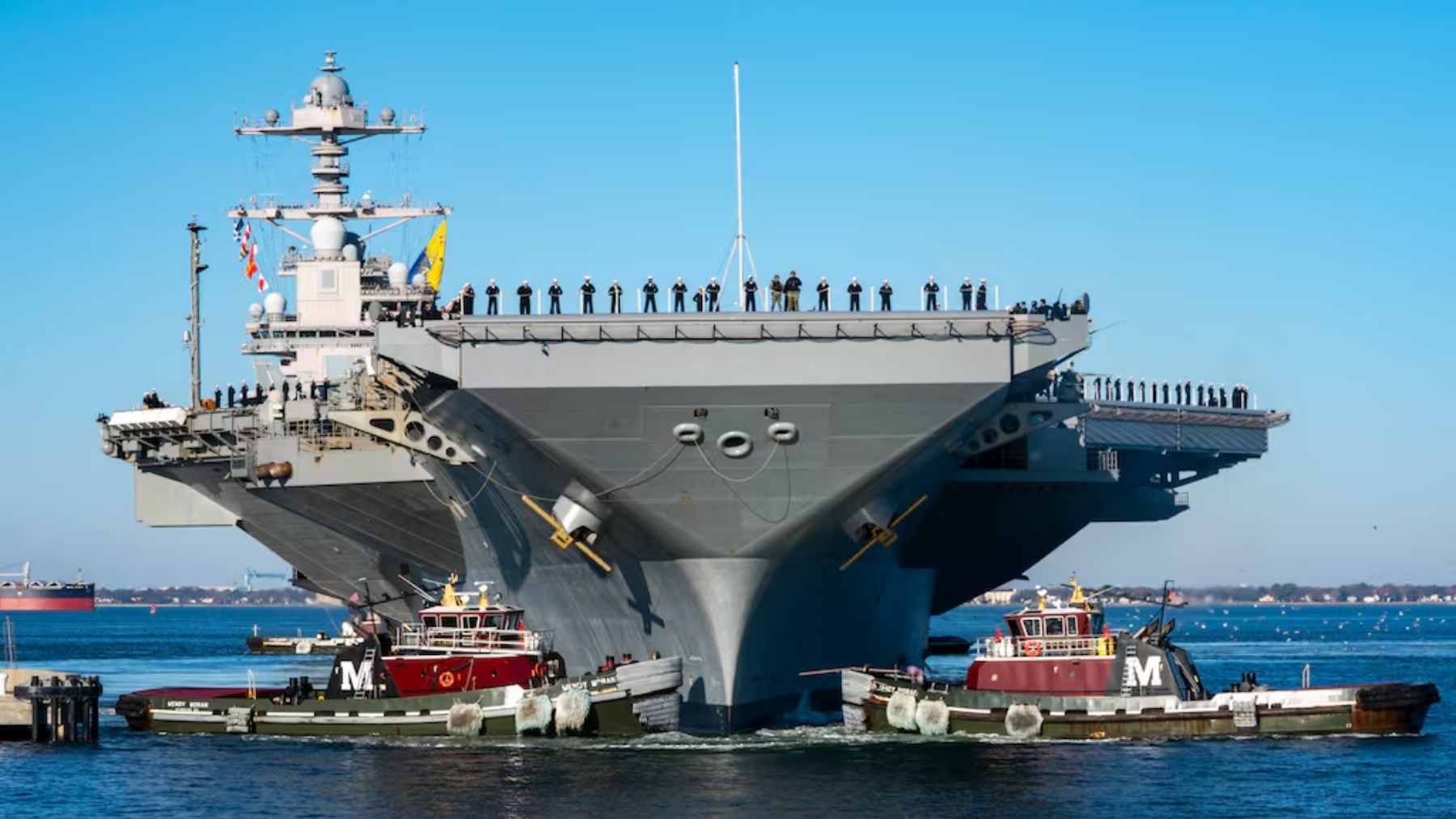
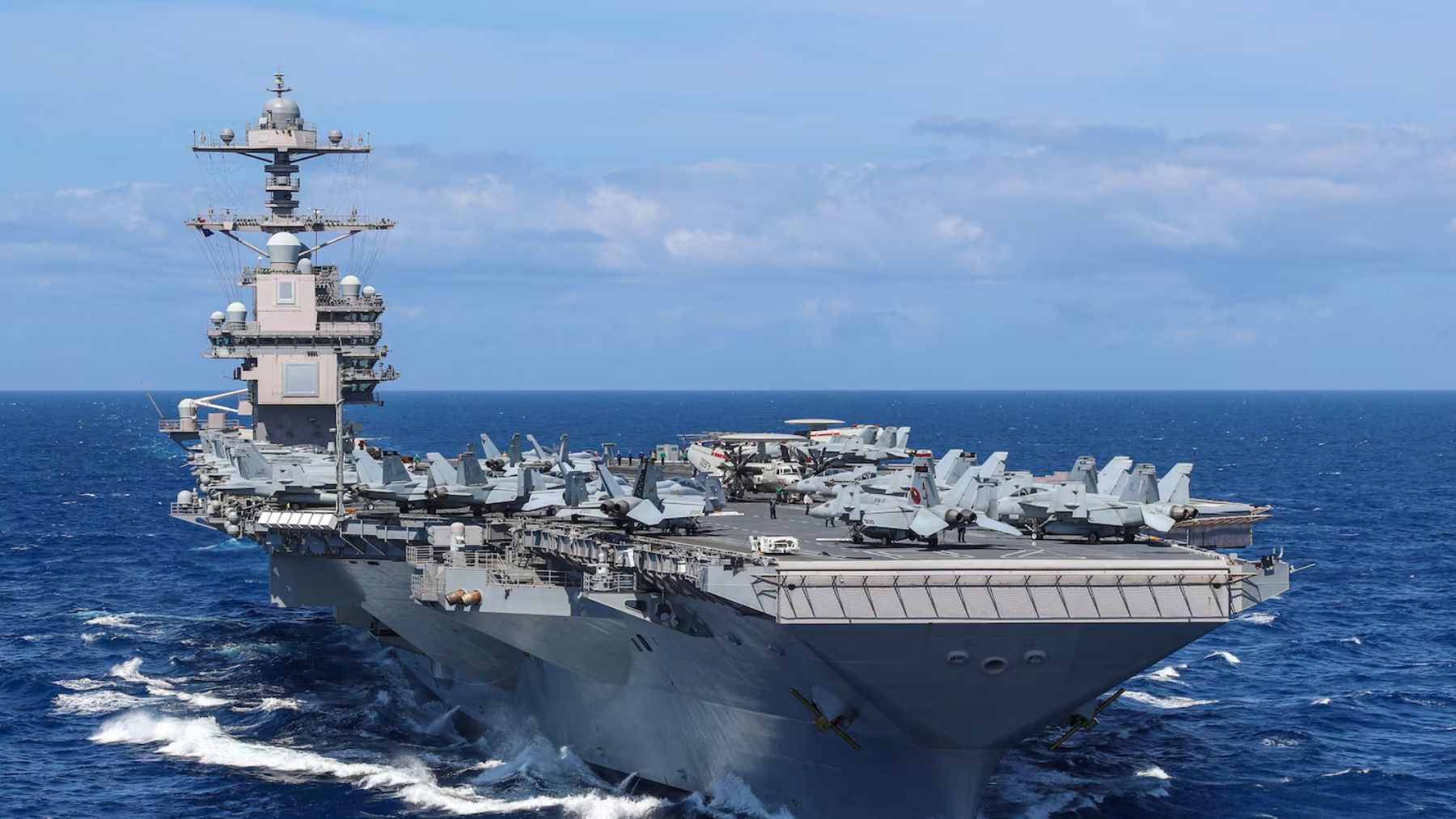
That is the story around USS Gerald R. Ford, the Navy’s newest and largest carrier, which left Norfolk on June 24, 2025, later shifted from Europe to the Caribbean in November, and has now moved through the Suez Canal into Middle East operations linked to Operation Epic Fury.
If Ford remains deployed past April 15, it will top the 294 day benchmark set by USS Abraham Lincoln in 2020. If it stays out into early May, it will move into 300 day territory that has not been seen since the Vietnam era.
That is a military milestone, sure, but it is also a story about resources, systems, and endurance.
A floating city under pressure
For the most part, public attention goes to the jets, the missile screens, and the show of force toward Iran. But Ford is also a floating city with more than 4,000 people aboard.
It is powered by two nuclear reactors, and even with that, daily life still depends on sanitation, fresh water, meals, maintenance, and steady contact with home. Think hot showers, laundry, and dinner after a very long shift.
That pressure grows because the Navy has a finite carrier force. Reuters noted the United States has 11 aircraft carriers, while USNI News reported that maintenance delays and steady commander demand have made longer deployments more common in recent years.
In practical terms, that means every extra week at sea becomes a bigger systems test.
The environmental systems that matter
The Navy’s own numbers tell the story. In a February 26 press release, it said Ford had already processed more than six million toilet flushes, produced more than 400,000 gallons of potable water each day, and served more than four million meals since departure.
Those figures may sound mundane. They are not. They show how water, waste, and supply systems become a major part of combat readiness the longer a deployment lasts.
Navy leaders are not pretending the strain is small. Adm. Daryl Caudle said “Extended deployments demand endurance,” and Rear Adm. Paul Lanzilotta said “Long deployments are challenging.” At the end of the day, that may be the clearest takeaway from Ford’s marathon cruise. Deterrence is not only about firepower.
It is also about whether the Navy can sustainably support the people and systems that keep a floating city functioning month after month.
The official press release was published on United States Navy.