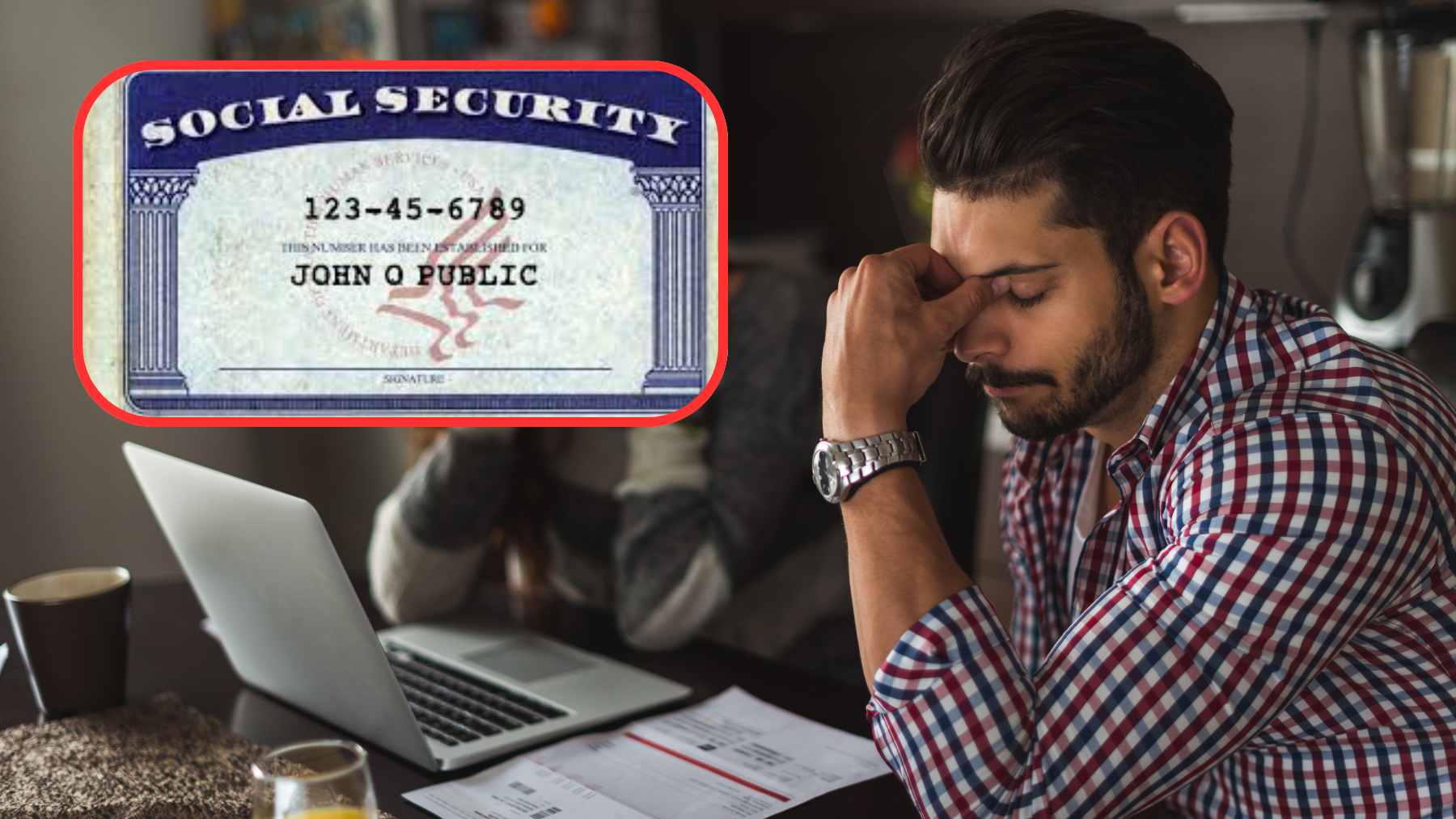
What happens when immigration policy reaches your checking account? That is the question hanging over Washington after reports that the Trump administration is considering a move that could force U.S. banks to verify the citizenship of both new and existing customers.
If it goes forward, the change would mark a major shift for the financial system and could push banks into a role they have not traditionally played.
Current banking rules and customer identification requirements
Right now, banks already have to follow strict “know your customer” and anti money laundering rules. They must verify identity, but current federal rules do not require them to confirm whether someone is a U.S. citizen.
Under the existing Customer Identification Program, banks collect basic details such as name, date of birth, address, and an identification number. For non U.S. persons, the rule specifically allows documents such as a passport number or alien identification number.
Why the banking industry is alarmed
That is why the banking industry is so uneasy. By most accounts, the proposal is still under discussion, with no final action announced by the White House. But industry sources have warned that verifying citizenship across entire customer bases would be operationally difficult and, for the most part, unworkable.
In practical terms, that could mean new paperwork, more delays at account opening, and fresh headaches for ordinary people who already feel buried by forms, passwords, and the monthly electric bill.

Immigration enforcement concerns and access to banking
The broader concern is what comes next. Critics say a citizenship check requirement could turn banks into another front in the administration’s immigration crackdown, possibly limiting access to basic financial services for undocumented immigrants and even creating confusion for lawful residents who do not have easy access to citizenship documents.
Also, it would collide with a long standing reality of U.S. banking, which has allowed many non citizens to open accounts as long as they meet identification rules. And that is where the real tension comes in.
Could citizenship checks reshape everyday banking?
For now, this remains a proposal under consideration, not a finalized rule. Still, even the discussion matters. Banks, regulators, and customers are now looking at a question that goes far beyond compliance.
Should access to a bank account depend on citizenship checks that federal rules have never required before? That could reshape everyday banking in a very real way.
The official rule discussed in this story was published on FinCEN.