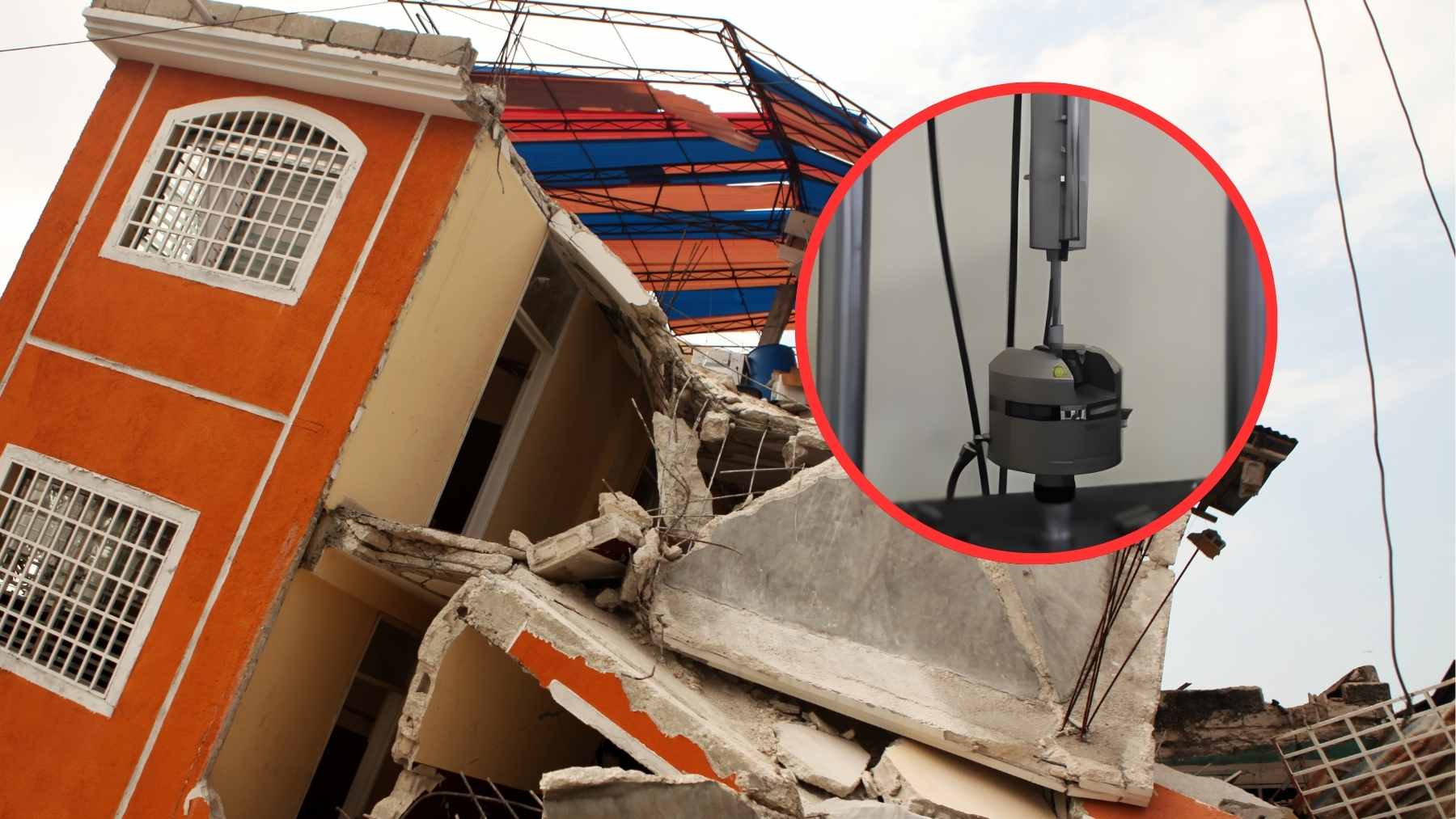
What happens when an earthquake hits and the backup systems fail, too? That is the problem a newly patented device from the University of Sharjah is trying to solve.
Civil engineering professor Moussa Leblouba has developed a passive vibration damper designed to protect buildings, bridges, towers, and sensitive equipment from earthquakes, strong winds, and even the kind of constant shaking caused by trains or industrial machinery.
The invention received U.S. Patent No. 12,498,014 on December 16, 2025, giving it a formal step forward at a time when cities around the world are looking for cheaper ways to make infrastructure more resilient.
How the passive earthquake damper works
The design is simple, which is part of its appeal. The device uses a hollow cylinder filled with solid steel balls and a central shaft fitted with short radial rods. When a structure starts to shake, the shaft moves back and forth inside the cylinder.
The rods push through the tightly packed steel balls, creating friction that absorbs part of the incoming vibration before it spreads through the structure.
In laboratory testing, Leblouba said the system reached an effective damping ratio of about 14 percent, a notable result for a fully passive setup.
Why a no-electricity seismic protection system matters
That low-tech angle matters. A lot of existing damping systems can be expensive, hard to maintain, or dependent on power and control systems that may fail during a major quake.
In other words, that means a device can look great on paper but struggle in the exact moment it is needed most.
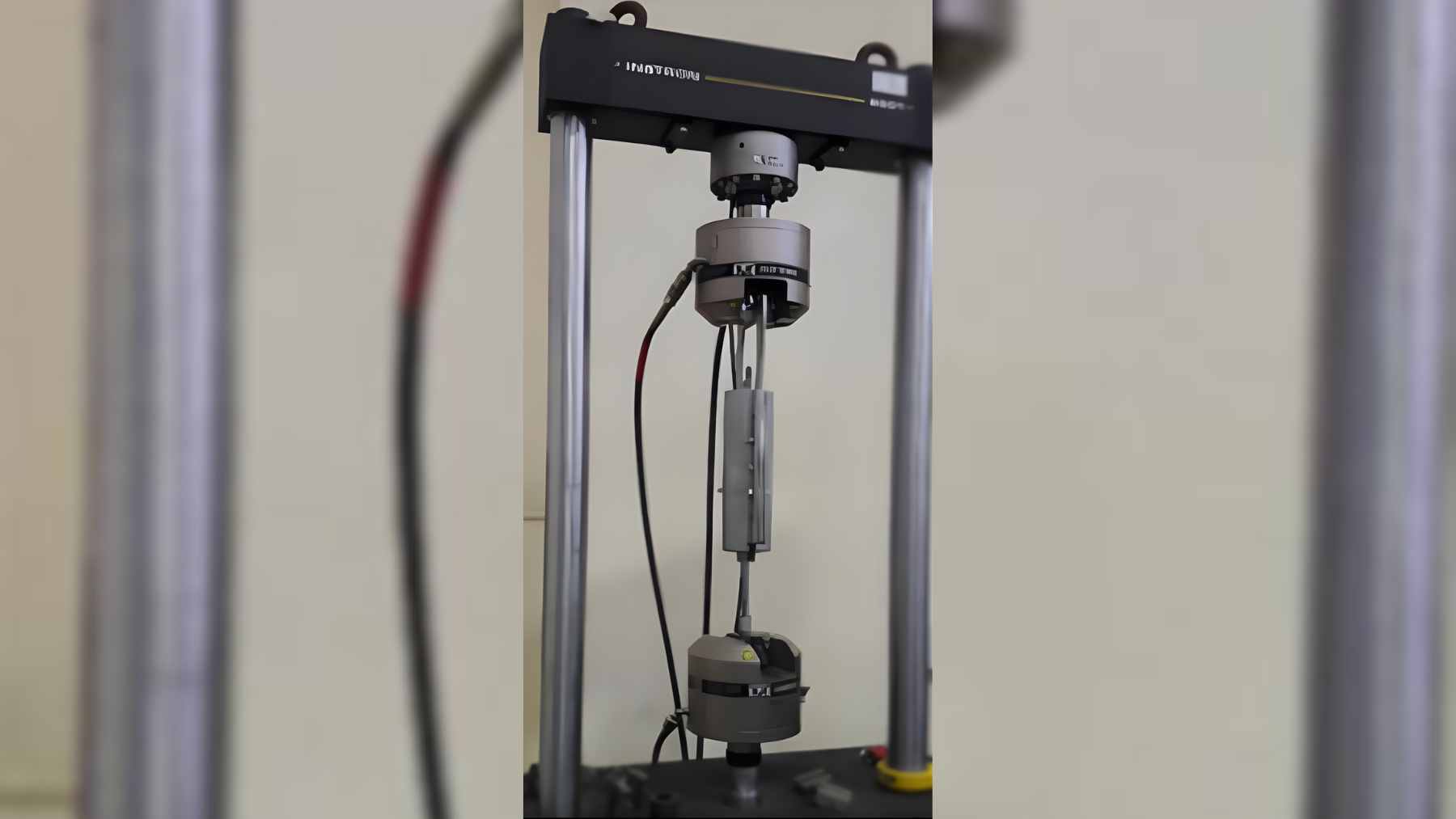
Leblouba says his system needs no electricity at all and works through friction alone. It is also built so that individual parts can be removed and replaced instead of forcing owners to throw out the whole unit after one severe event.
For cities already dealing with aging infrastructure and tight budgets, that could make a real difference.
What the new technology could mean for buildings and bridges
There is also a broader business angle here. The inventor says the device can be retrofitted into existing structures rather than designed only into new ones, which could lower the barrier for adoption in developing markets and older urban areas.
It is also designed to return to its original position after shaking stops, allowing it to stay in service without immediate replacement.
That does not mean every engineering challenge is solved overnight. Real-world deployment is always the tougher test. Still, for the most part, this is the kind of practical, maintenance-friendly technology that infrastructure planners tend to notice. Small parts, no power, less force reaching the building. Sometimes that is exactly the point.