Swiss arms exports climbed to 948.2 million Swiss francs ($1.2 billion) in 2025, almost matching the country’s 2022 record and jumping nearly 43% from 2024.
Germany was by far the biggest buyer, followed by the United States, Hungary, Italy, and Luxembourg. Simply put, this means Europe’s defense buildup is increasingly showing up in Swiss factory output, even as Bern keeps insisting that neutrality still sets the rules.
Switzerland war materiel exports and top buyers
The numbers tell a pretty clear story. More than 86% of Swiss war materiel exports went to Europe, and shipments reached 64 countries overall.
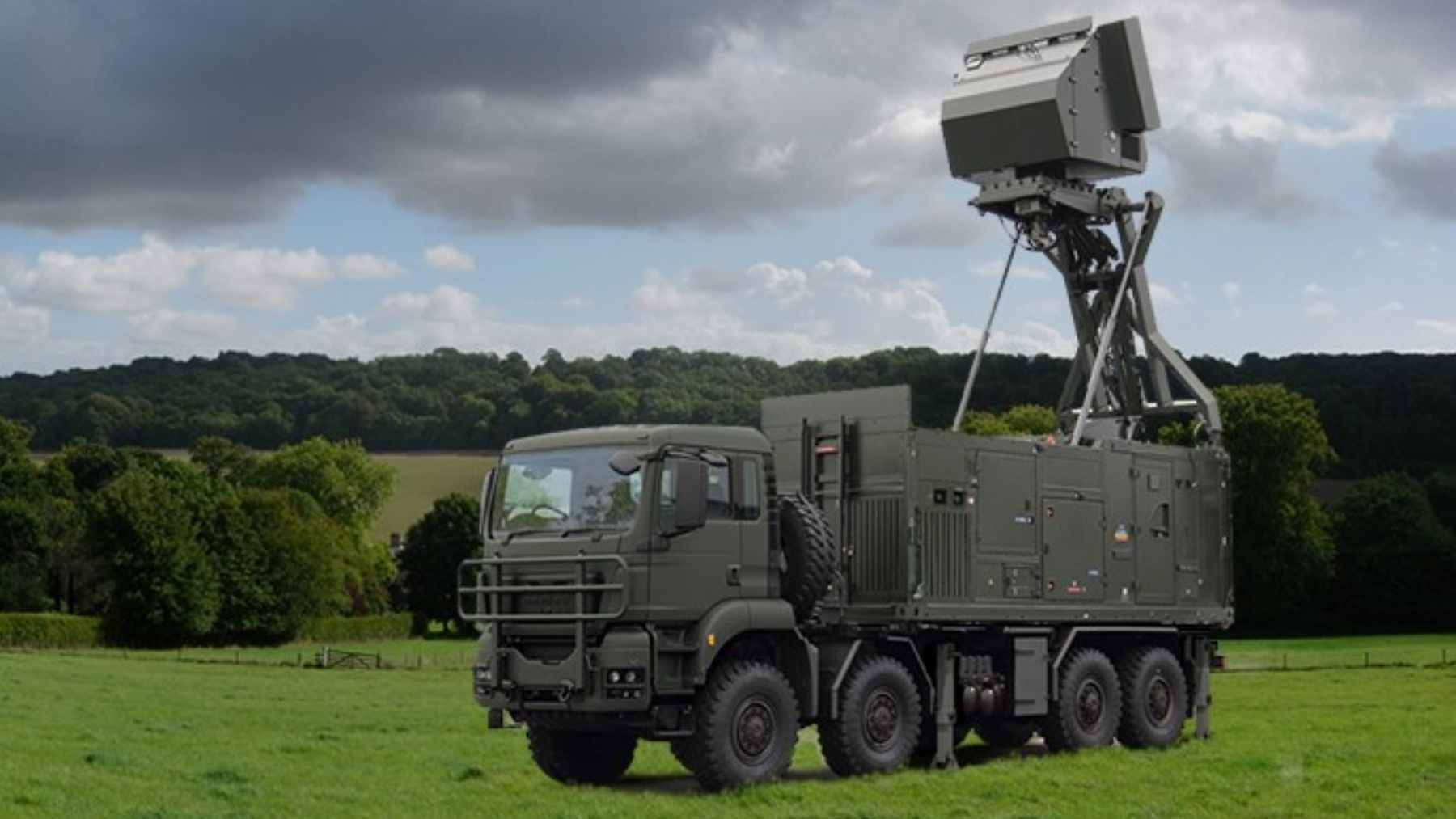
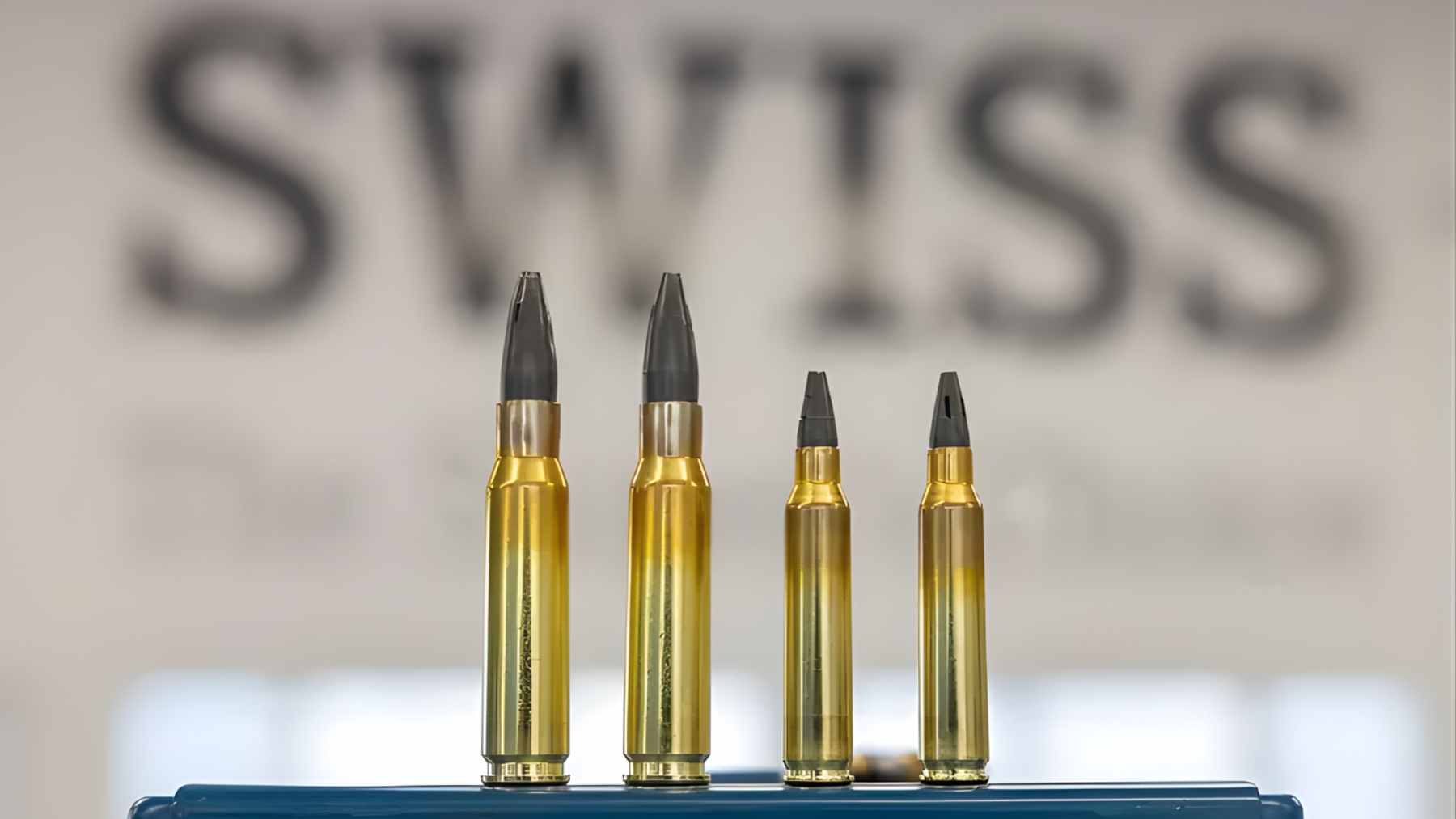
Ammunition and ammunition components made up the biggest share at 43.2% , while armored vehicles and their parts accounted for another 23.6%. Switzerland also exported weapons of various calibers, fighter jet components, fire control systems, and military explosives, fuels, and propellants.
It is a booming defense business, but in addition, a resource-heavy industrial chain that raises obvious environmental questions about energy use, materials, and pollution even though the official release does not address them directly.
That missing piece matters. When readers hear about industrial growth, they may think about jobs, supply chains, or maybe the monthly electric bill when factories ramp up. But military production has a footprint, too, and the latest Swiss figures focus almost entirely on value, destinations, and legal criteria.
What is absent is any estimate of emissions, manufacturing waste, or the broader environmental cost tied to producing more ammunition, armored systems, and propellants. In a Europe that talks constantly about resilience and clean industry, that silence stands out.
Swiss neutrality and arms export law changes
At the same time, the politics are shifting. Switzerland’s current War Materiel Act still blocks export licenses when the destination country is involved in an internal or international armed conflict, and Swiss authorities have said that direct exports to Ukraine remain prohibited under those rules.
But parliament approved changes on December 19, 2025, to relax arms export restrictions for 25 Western countries, while also easing rules on re-exports. The referendum window on that law runs until April 17, 2026, so the fight is not over yet.
So what should readers keep in mind? Switzerland’s defense industry is growing fast because Europe wants weapons, parts, and ammunition now, not years from now. But the debate is still oddly narrow. Money, neutrality, and security dominate the headlines.
The environmental side barely gets a mention. And for a sector built on steel, fuel, chemicals, and heavy manufacturing, that is becoming harder to ignore.
The official statement was published on admin.ch.