A U.S.-led defense manufacturing partnership is moving more of the missile and drone supply chain closer to Asia’s flashpoints. Japan is set to lead a new solid rocket motor production initiative, while members also want shared standards and supply chains for small military drones and are exploring a 30mm ammunition line in the Philippines.
That sounds like a pure security story, until you picture the factories. When production shifts, so do emissions, chemical handling, and the risk of water and soil pollution, often near the same coastal communities that rely on clean seas and healthy fisheries.
What the partnership actually announced
The Partnership for Indo-Pacific Industrial Resilience, known as PIPIR, met virtually on March 18 and released a joint statement on March 20.
It now has 16 members after adding Thailand and the United Kingdom, and officials say the point is to “de-risk supply chains” and expand the ability to sustain equipment closer to where it might be needed.
The headline moves include a Solid Rocket Motor initiative between the United States and Japan, chaired by Japan, and a plan to assess interest and funding for a “30mm-by-173mm” ammunition “load, assemble, and pack” line with the Philippines. Members also backed new work on modular UAV co production, plus earlier efforts on small drone battery and motor development.
Rocket motors have a chemical footprint
Solid rocket motors are the propulsion systems inside many guided weapons, and they can become a bottleneck when militaries try to scale production quickly. Building more of them outside the United States could make supply chains sturdier, but it also means more sites storing and handling energetic chemicals.
NASA has documented that large solid rocket motors can release hydrogen chloride and aluminum oxide during launches and tests, materials that can show up in nearby air and water.
Perchlorate is commonly used in solid rocket propellants and in some munitions. In January 2026, the U.S. EPA signed a proposed national drinking water regulation for perchlorate with a health based goal of 0.02 mg/L (20 µg/L) and requested comment on enforceable limits at 20, 40, or 80 µg/L.
This is not abstract. If the chemistry is not tightly controlled, “rocket fuel” contamination becomes a local headline fast, and local pushback can stall projects just as effectively as a broken supply line.
Drones are small, but their batteries are not
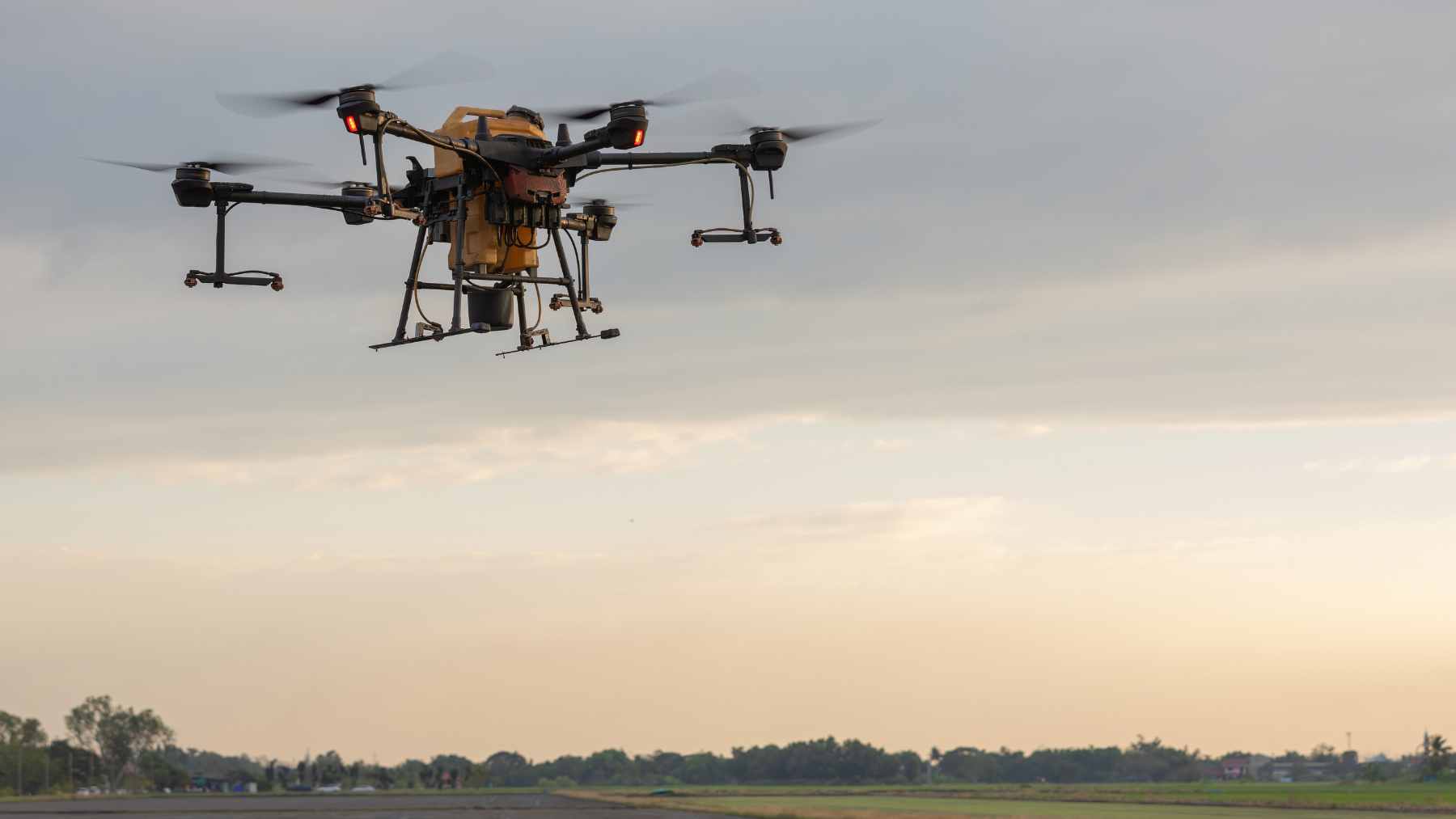
PIPIR’s drone work is aimed at the unglamorous parts that decide whether fleets can scale, like batteries, small motors, and common procurement rules. The group says it will survey industry, share results among members, and pursue reciprocal standards to build a more secure supply chain for small unmanned aerial systems.
But batteries are where defense planning collides with the wider clean tech economy. The International Energy Agency says emissions across the battery supply chain matter, and it points to recycling as a key lever even though the sector is still early in its growth.
The agency also notes the global lithium-ion battery market exceeded $150 billion in 2025, a reminder that these supply chains are already enormous.
That pressure is already turning into policy. Reuters reported on March 19 that Japan and the United States unveiled a joint action plan on critical minerals and rare earths, targeting materials used in batteries and other strategic technologies.
Ammunition lines can leave long shadows
The proposed Philippines project would focus on assembling and packaging 30mm cannon rounds used by military aircraft and ground vehicles. Even without full scale chemical production, this kind of work still brings energetics, solvents, and metal components into a local environmental footprint.
History offers a warning label. EPA technical fact sheets on explosives note that past ammunition manufacturing and demilitarization practices generated explosives contaminated wastewater that was discharged into unlined areas, contributing to soil and groundwater contamination at some sites.
Modern plants can reduce those risks with lined containment, monitoring, and strict wastewater controls. Still, what happens if a spill or waste mistake hits an aquifer or a fishing ground?
The business upside meets the energy grid
For host countries, co production can mean jobs, training, and suppliers that also serve civilian industry. PIPIR’s own fact sheet describes a “trusted ecosystem” that pulls in industry and capital providers, not just government agencies.
On the other hand, factories still run on electricity, and energy mixes vary widely across the Indo-Pacific. If new production leans on high carbon power, the climate footprint rises, and so does the monthly electric bill when that sticky summer heat we all know pushes the grid to its limits.
Real resilience includes environmental resilience
PIPIR leaders say they want to remove policy and regulatory impediments to speed cooperation and production. The hard part is doing that without treating environmental safeguards as optional, because accidents and cleanup fights can shut down facilities for months.
In practical terms, this is the test for the whole model. If the Indo-Pacific buildup is meant to be resilient, it also has to be resilient to water stress, extreme weather, and community scrutiny.
Environmental rules may not grab headlines like a new missile line, but they can decide whether production is stable or stuck in limbo.
The official statement was published on War.gov.