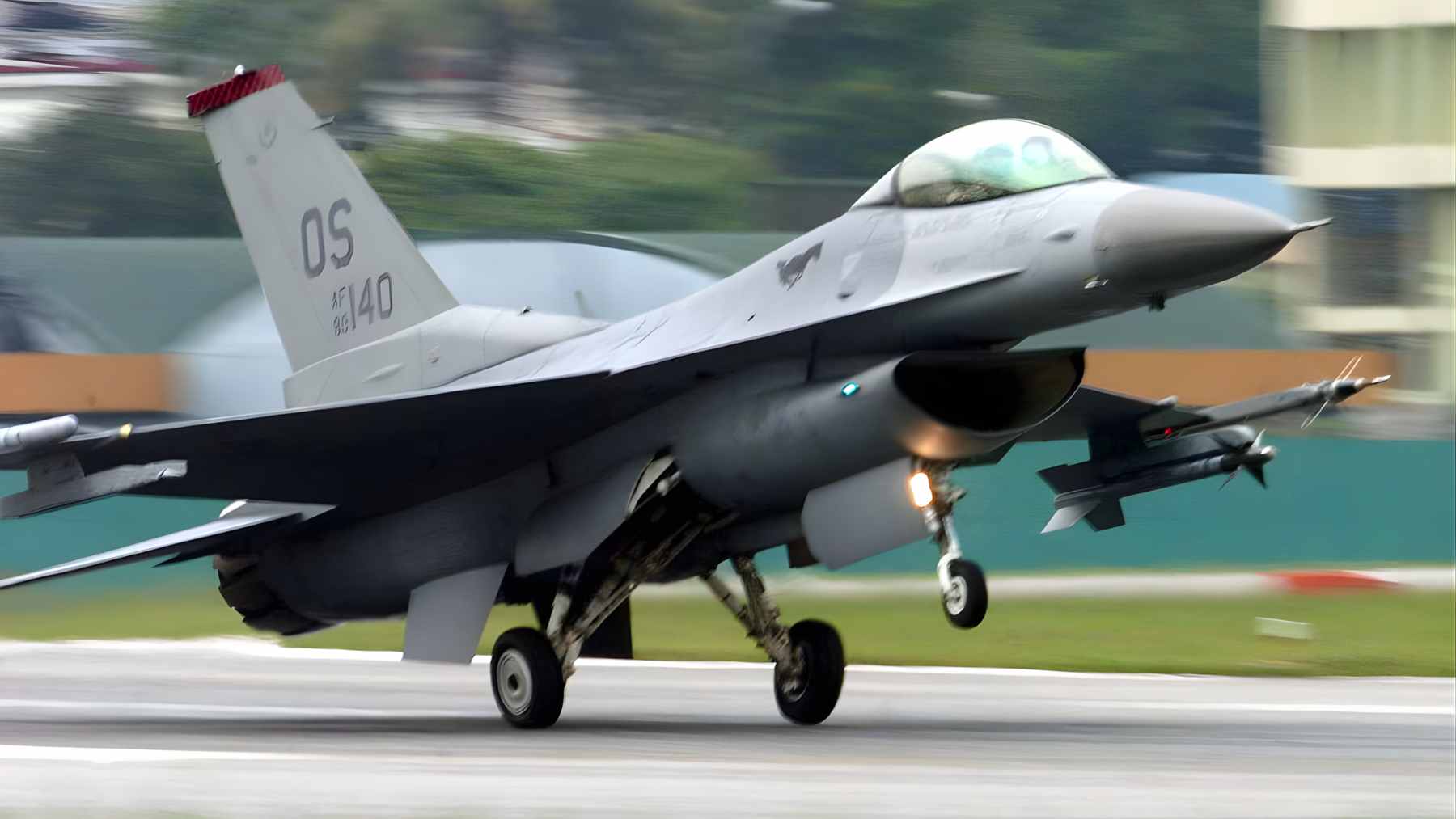
On March 19, the U.S. State Department approved potential arms sales worth more than $16.5 billion to the United Arab Emirates, Kuwait, and Jordan, according to Reuters. The packages cover missiles, drones, radar systems, and F-16 munitions and upgrades, with U.S. defense giants positioned as key contractors.
But there’s another layer here that is easy to miss if you only read it as a defense headline. The war’s latest escalation has involved strikes on energy infrastructure, and that is where the environmental risk starts to climb, along with the price at the pump and the electric bill.
What Washington just approved
The proposed sales are framed around air and missile defense needs as missile and drone attacks intensify during the war with Iran, and Defense News reported the State Department said an emergency justified immediate action under the Arms Export Control Act.
In plain terms, it’s a fast-track attempt to strengthen layered defenses against drones and missiles.
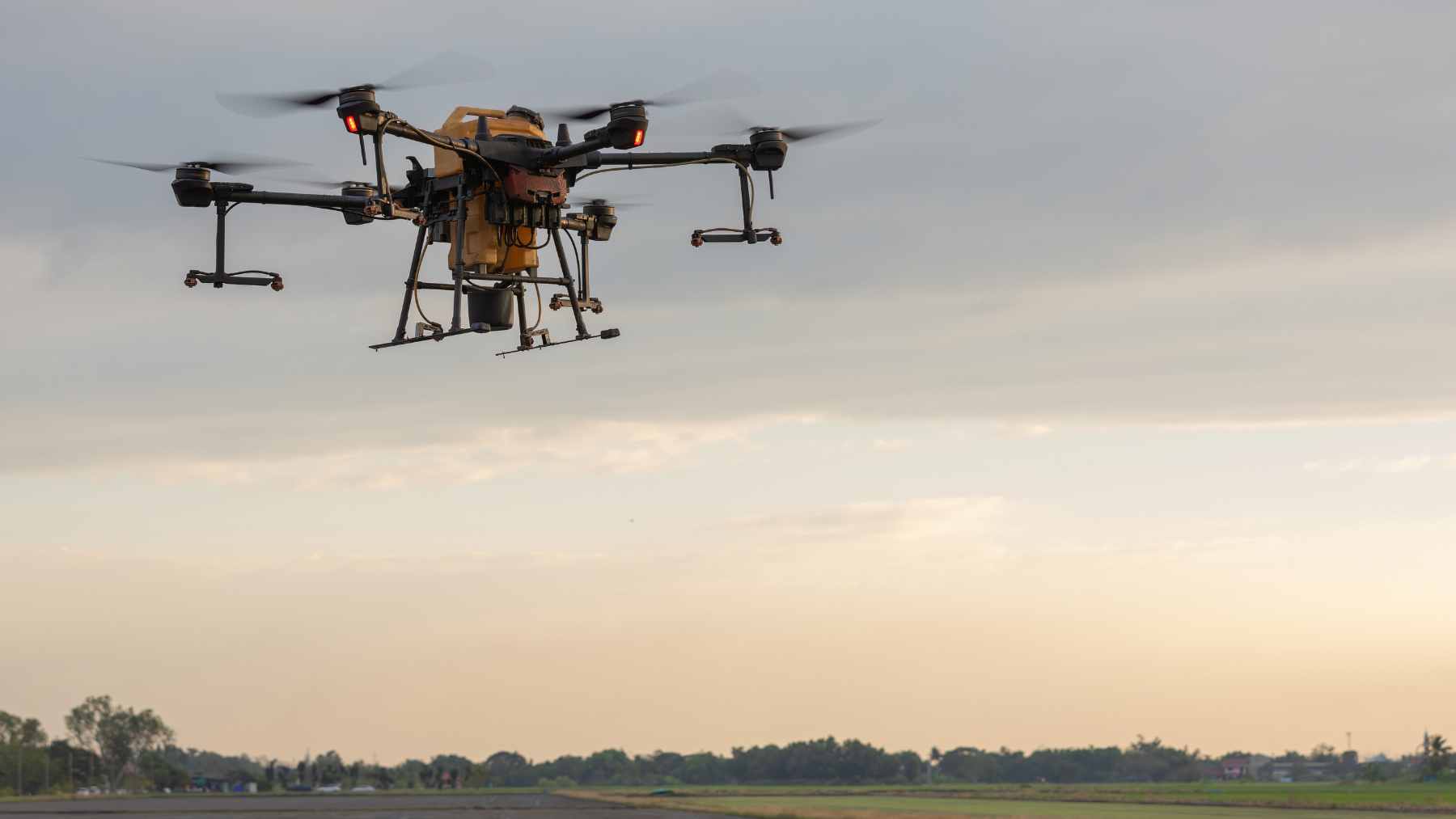
For the UAE alone, Defense News described a stack of separate approvals that include a long-range radar designed to integrate with THAAD for about $4.5 billion and a fixed-site system meant to counter small drones for about $2.1 billion.
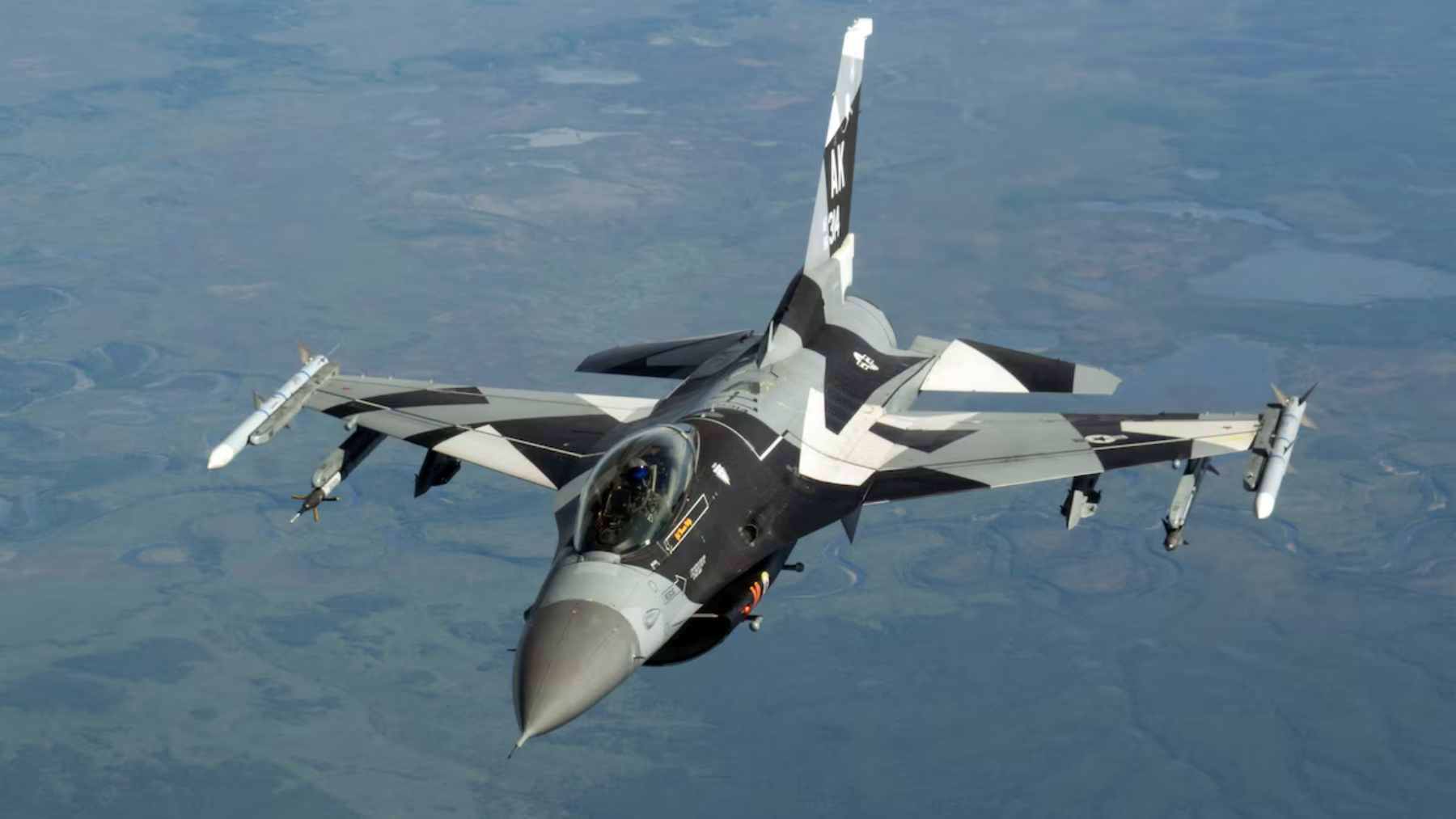
The same reporting also cites about $1.22 billion for air-to-air missiles and about $644 million for F-16 munitions and upgrades.
Kuwait’s package centers on lower-tier air and missile defense radars estimated at $8 billion, while Jordan’s roughly $70.5 million package focuses on aircraft repair and parts to sustain existing fleets. Reuters also reported the principal contractors include RTX, Northrop Grumman, and Lockheed Martin.
Energy infrastructure is the real battleground
Reuters tied the approvals to a dangerous pattern that goes beyond troop movements, with attacks on energy infrastructure following strikes on gas facilities and pushing gas and oil prices higher.
That matters because energy sites are not just economic assets, they are physical systems that can burn, leak, and release pollution when they are hit.
The market reaction has been swift. Reuters reported that European gas prices surged 35% after reciprocal strikes on energy infrastructure, a reminder that a regional conflict can ripple into household costs far away.
If you’ve ever watched your utility bill jump after a price spike, you already know how quickly “global” becomes personal.
Then there’s methane, the main component of natural gas. The European Commission notes methane’s warming impact is about 82.5 times that of carbon dioxide over a 20-year timescale, which is why any event that increases gas losses can carry outsized climate consequences even if it’s short-lived.
The carbon footprint of defense is not a side issue
Here is the uncomfortable question people rarely ask out loud. What is the climate footprint of the systems being rushed into a hot war zone?
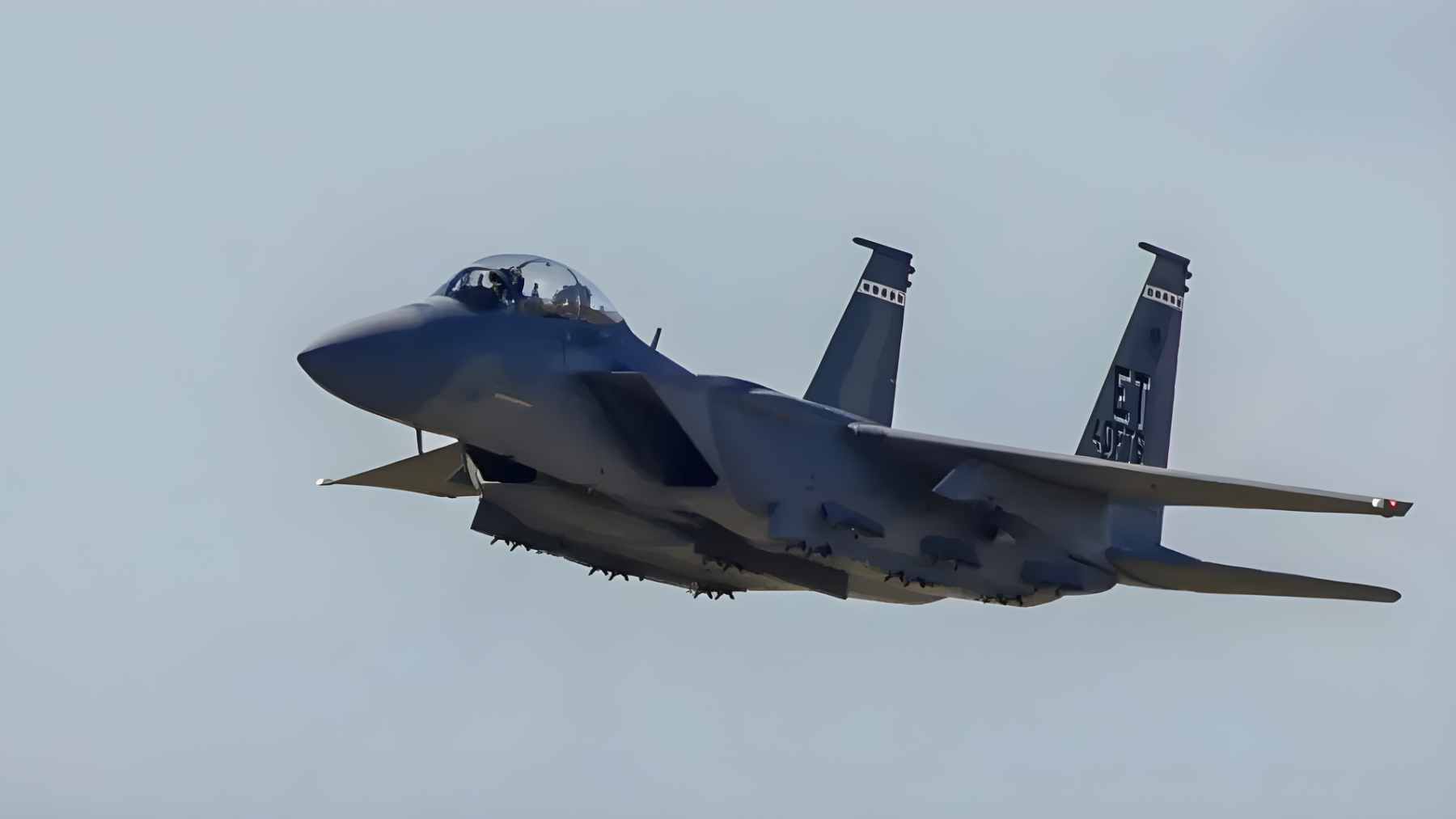
A major reference point comes from the Costs of War project at Brown University. Its summary of Neta Crawford’s work says that between 2001 and 2017, the U.S. military emitted about 1.2 billion metric tons of greenhouse gases, with a large portion tied to fuel use, especially for military jets.
On the global picture, Reuters has reported that militaries may account for about 5.5% of global greenhouse gas emissions, citing a 2022 expert estimate and noting growing pressure for better disclosure. It is an estimate, not a perfect measurement, but it’s big enough to change how climate policy debates look when “security” spending rises.
This is where the arms-sale story connects back to the environment in a practical way. These deals are not just hardware, they come with training, sustainment, and years of operations, and emissions from military activity have historically been harder to track consistently across countries.
High-tech radars and drones meet climate reality
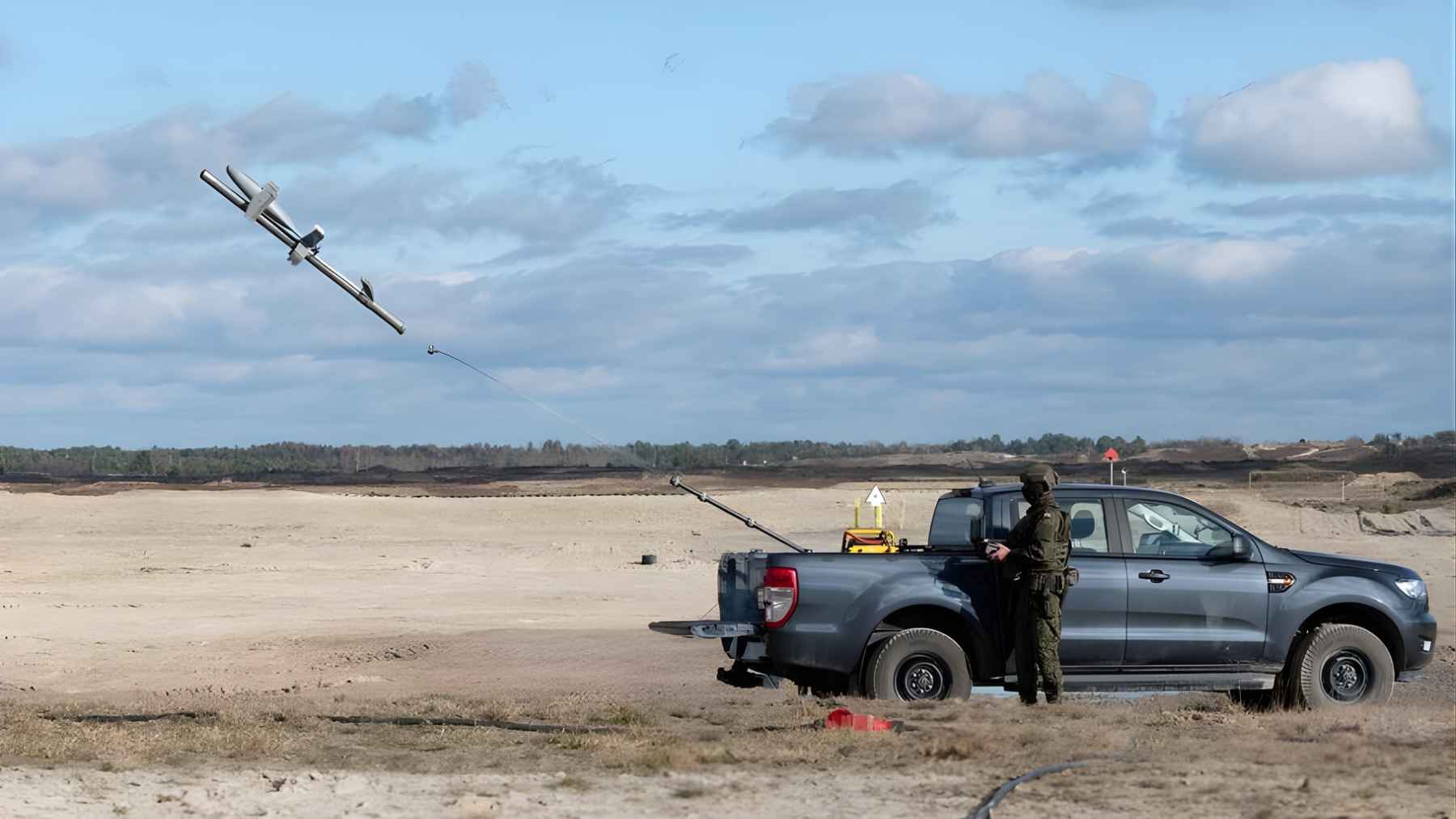
On paper, the systems in these packages are about detection and interception. Defense News highlighted advanced radars, counter-drone technology, and munitions, including systems designed to spot smaller, lower-flying threats that can slip through older defenses.
In real life, “air defense” often becomes “infrastructure defense” because the same drones and missiles that threaten bases can also threaten refineries, LNG plants, ports, and power stations. Protecting critical sites can prevent fires and secondary disasters, but it can also lock countries into a cycle where fossil infrastructure remains central and constantly defended.
And there is a tech twist that rarely gets mentioned. Sensor networks, radars, and surveillance tools built for defense can overlap with environmental monitoring needs, like tracking smoke plumes or spotting damage patterns from space, even if that is not their primary mission.
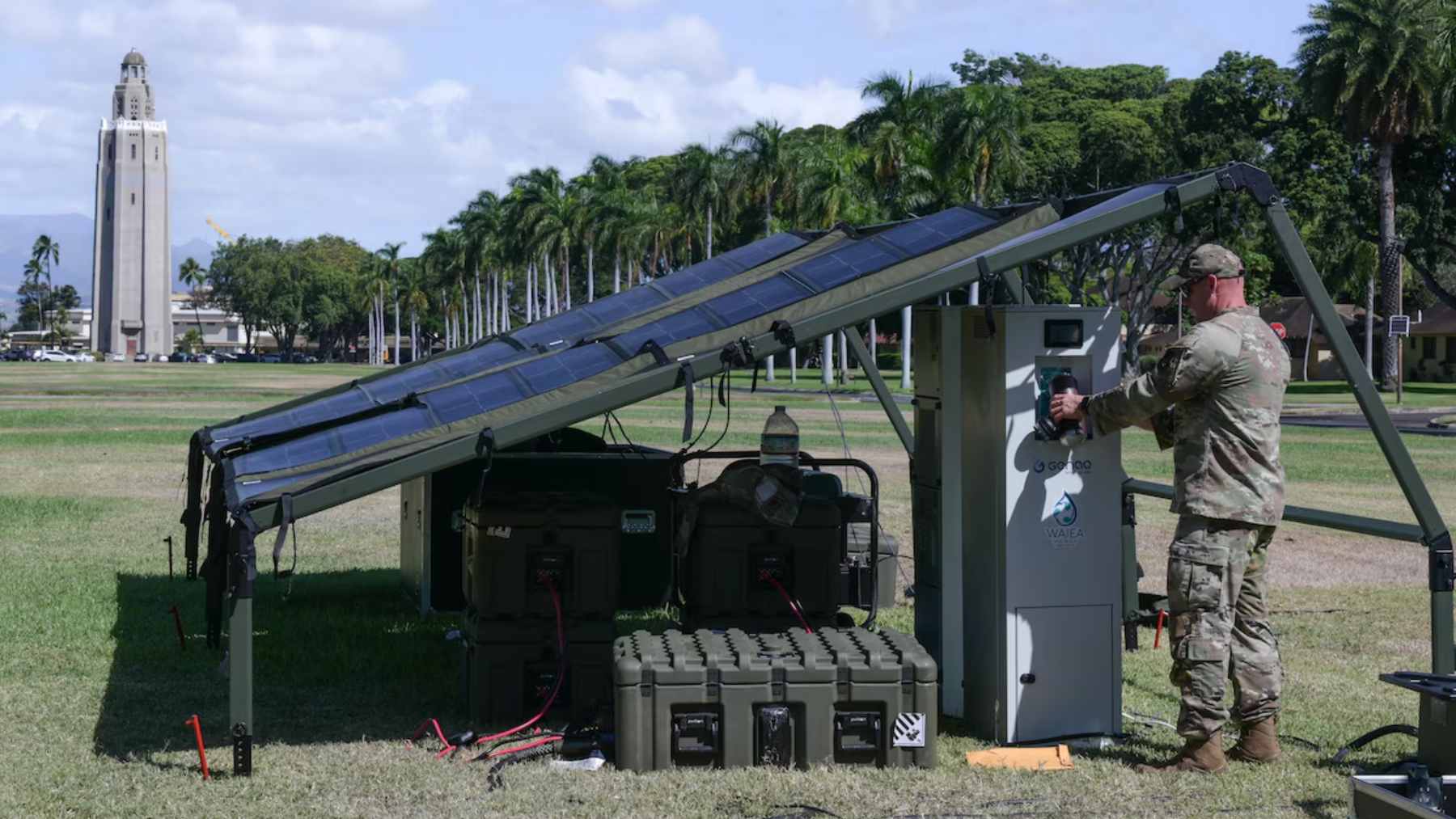
Still, those systems draw power too, which makes energy resilience and cleaner on-site electricity a growing part of the defense-technology conversation.
What readers should watch next
First, remember the key word in the announcements is “potential.” Reuters described these as potential sales, which means approvals and notifications are not the same thing as equipment already delivered and operating in the field.
The timeline matters because urgent battlefield needs can collide with the reality that major systems often take time to deploy.
Second, keep an eye on how leaders talk about energy security as prices move. In a Reuters interview, U.N. climate chief Simon Stiell called the war an “abject lesson” in fossil fuel dependence and warned that weakening climate action for short-term relief is “completely delusional,” arguing energy systems less reliant on imported oil and gas can improve security.
At the end of the day, the environmental story here is not abstract. When energy sites are hit, the climate and public-health risks rise, and when air-defense spending surges, the emissions footprint of military activity becomes harder to ignore.
The official statement was published on U.S. Department of State.