U.S. unemployment claims dipped to 205,000 last week, a level that normally signals a labor market that is still holding together. At the same time, a fast-moving oil shock tied to the war involving the United States, Israel, and Iran is pushing fuel prices higher and stirring new inflation fears.
If your daily drive suddenly costs more, what gives first, your budget or your routine? That question matters for the climate, too, because transportation remains the biggest source of U.S. greenhouse gas emissions, and a fuel spike changes behavior faster than almost any policy.
Jobs look steady but the risks are shifting
The Labor Department said initial jobless claims fell by 8,000 to 205,000 for the week ending March 14, while continuing claims rose to 1.857 million. Those numbers point to low layoffs, but they also hint that people who do lose a job may be taking longer to land the next one.
Fed Chair Jerome Powell described the labor market as “a sort of zero employment growth equilibrium,” adding that it “does have a feel of downside risk.”
February payrolls fell by 92,000 and the unemployment rate rose to 4.4%, a reminder that stability can coexist with a slower hiring engine.
The oil shock is an environmental story in disguise
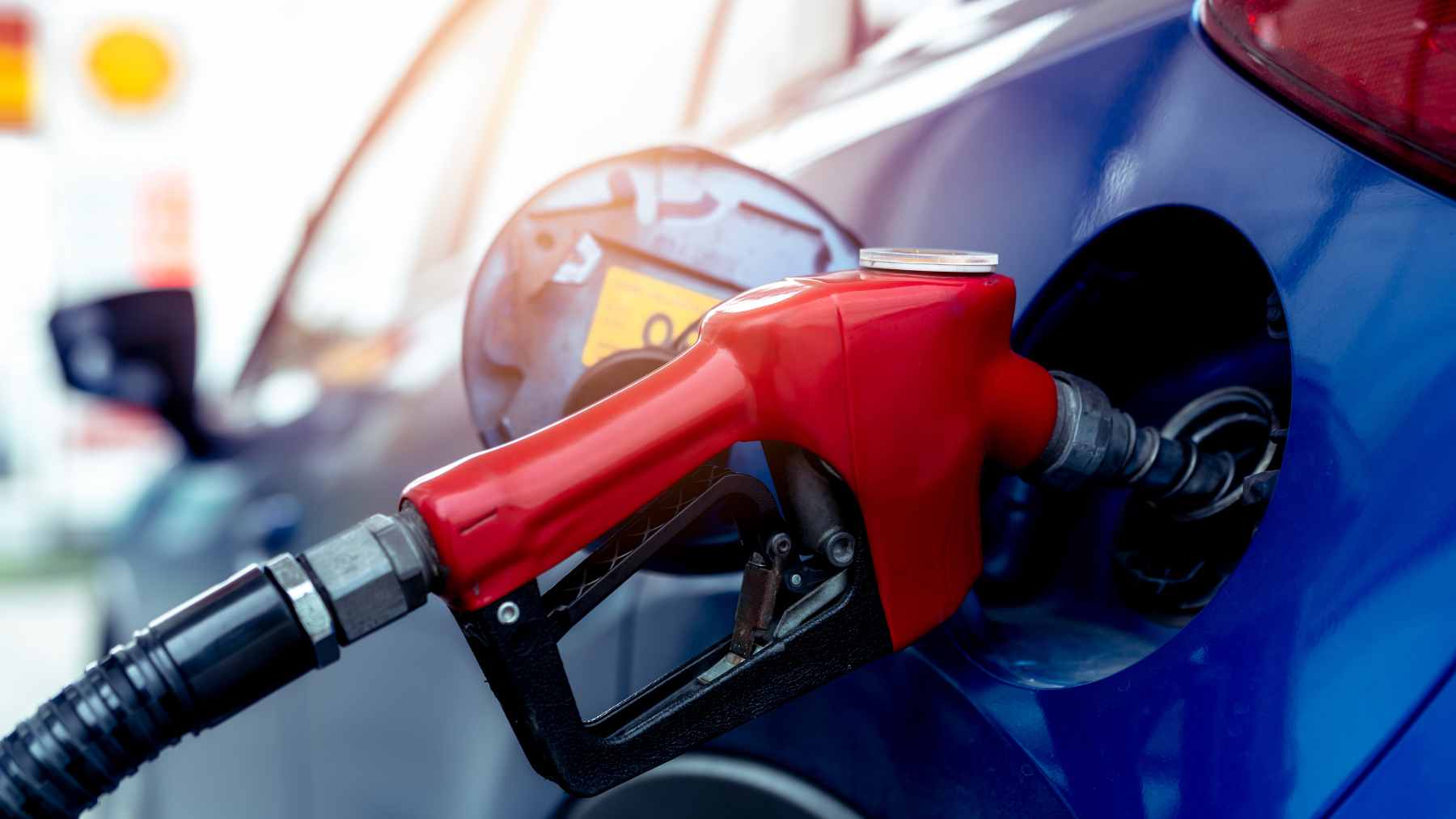
Gasoline is where geopolitics meets everyday life. Reuters reported that U.S. pump prices are up more than 30% since the conflict began in late February, lifting the national average near $3.88 per gallon, with forecasts pointing toward $4.
AAA has warned that crude prices have pushed above $100 per barrel multiple times in recent days, which filters quickly into transport and food costs. It is not just what you pay at the station, it is what you pay when a truck delivers groceries or when an airline recalculates fuel surcharges.
The environmental link is direct. The EPA says transportation produced 28% of total U.S. greenhouse gas emissions in 2022, with most emissions coming from on-road vehicles. When gas jumps, some households cut discretionary miles, but plenty of workers still have to commute and simply absorb the hit.
Business investment meets higher rates and higher fuel
Higher energy prices are landing on top of a high-rate environment. The Federal Reserve kept its benchmark rate in a 3.50% to 3.75% range and said uncertainty about the outlook remains elevated, with Middle East developments adding more unknowns.
Companies are not rushing to lay people off, but they are also hesitant to expand headcount when borrowing costs are steep and trade policy is unsettled. Reuters noted that tariff-related uncertainty and tighter financial conditions have been weighing on hiring, especially for small businesses.
Housing shows how quickly this spills into the physical world. New home sales fell 17.6% in January to an annual rate of 587,000 units, and economists expect activity to remain weak while rates and prices stay high. That slows new construction where better insulation, efficient HVAC, and rooftop solar could lower future electric bills.
Energy security is back on the defense agenda
The Strait of Hormuz is a narrow point with outsized consequences. The U.S. Energy Information Administration says oil flows through the strait averaged about 20 million barrels per day in 2024, roughly 20% of global petroleum liquids consumption, which helps explain why markets react so sharply to disruption.
Governments are reaching for emergency tools. The International Energy Agency said members agreed to a 400 million barrel release from emergency stocks, and Reuters has reported the United States is also using Strategic Petroleum Reserve swaps and loans to add supply.
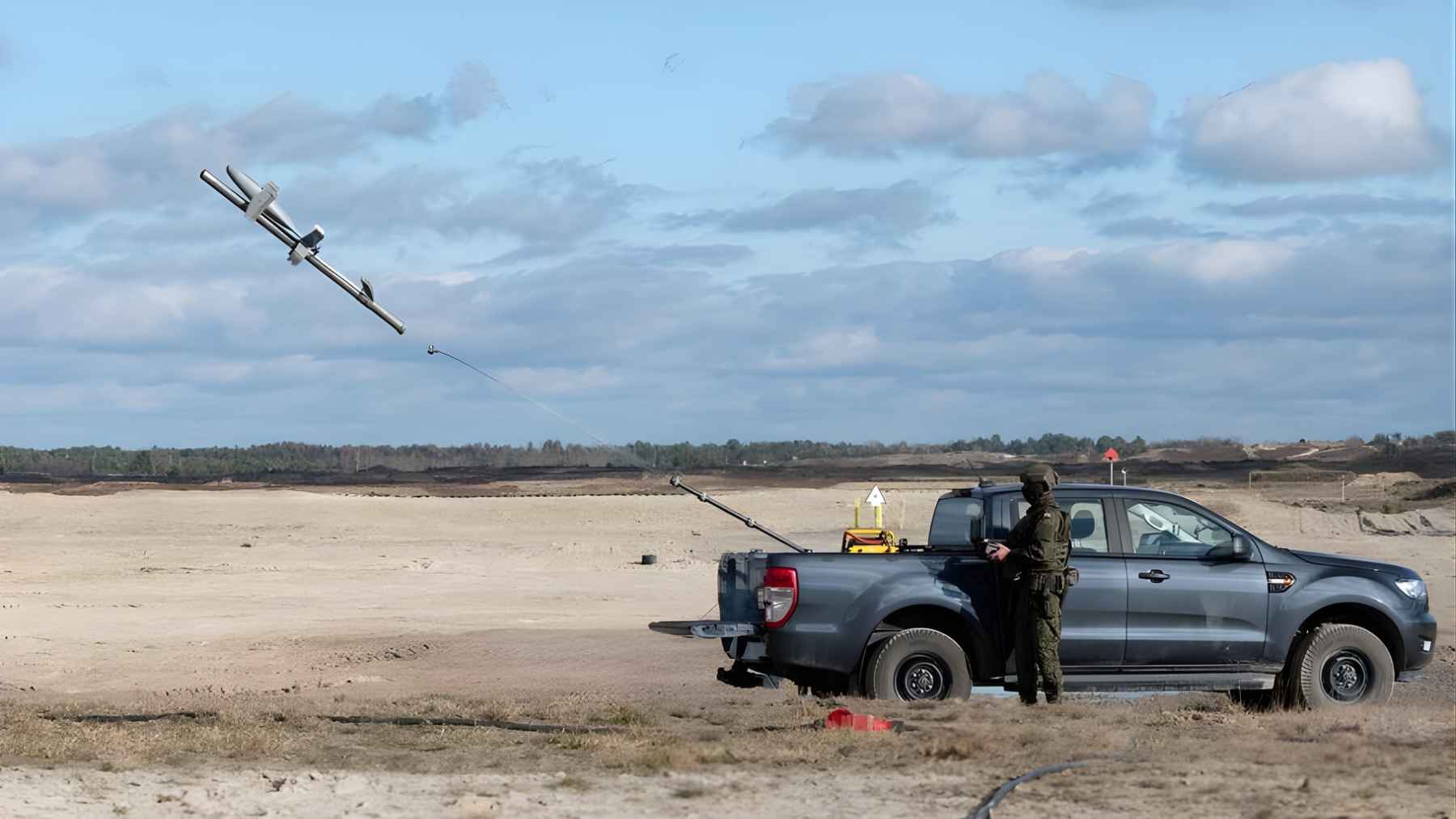
Defense planners are watching closely because energy is logistics. The Department of Defense climate adaptation plan frames climate change as a factor that shapes mission resilience, including the reliability of energy systems that bases and operations depend on.
In that context, microgrids, on-site generation, and efficiency tech are not just “green” projects, they are continuity plans.
Tech and behavior changes that matter now
In the short run, the cheapest barrel of oil is the one that is not burned. The IEA has urged steps like working from home, reducing highway speeds, and avoiding air travel where possible to cut demand during the crisis, and those moves also reduce emissions.
Tech can reinforce those savings without asking everyone to live differently. Better routing and scheduling tools can help cut empty trucking miles, smart building controls can shave peak power, and video meetings can replace at least some business flights. None of it is a silver bullet, but it is the kind of incremental shift that adds up when prices jump.
What should readers watch next? Weekly claims will show whether the labor market stays in a low-fire pattern or slides into longer job searches, and fuel prices will show whether emergency stock releases actually reach consumers.
If this shock lasts, it could reshape the business case for electrification and efficiency faster than any marketing campaign ever could.
For now, low jobless claims are reassuring, but they are not a shield against an energy crisis that quickly becomes a climate and security crisis.
The press release was published on U.S. Department of Labor.