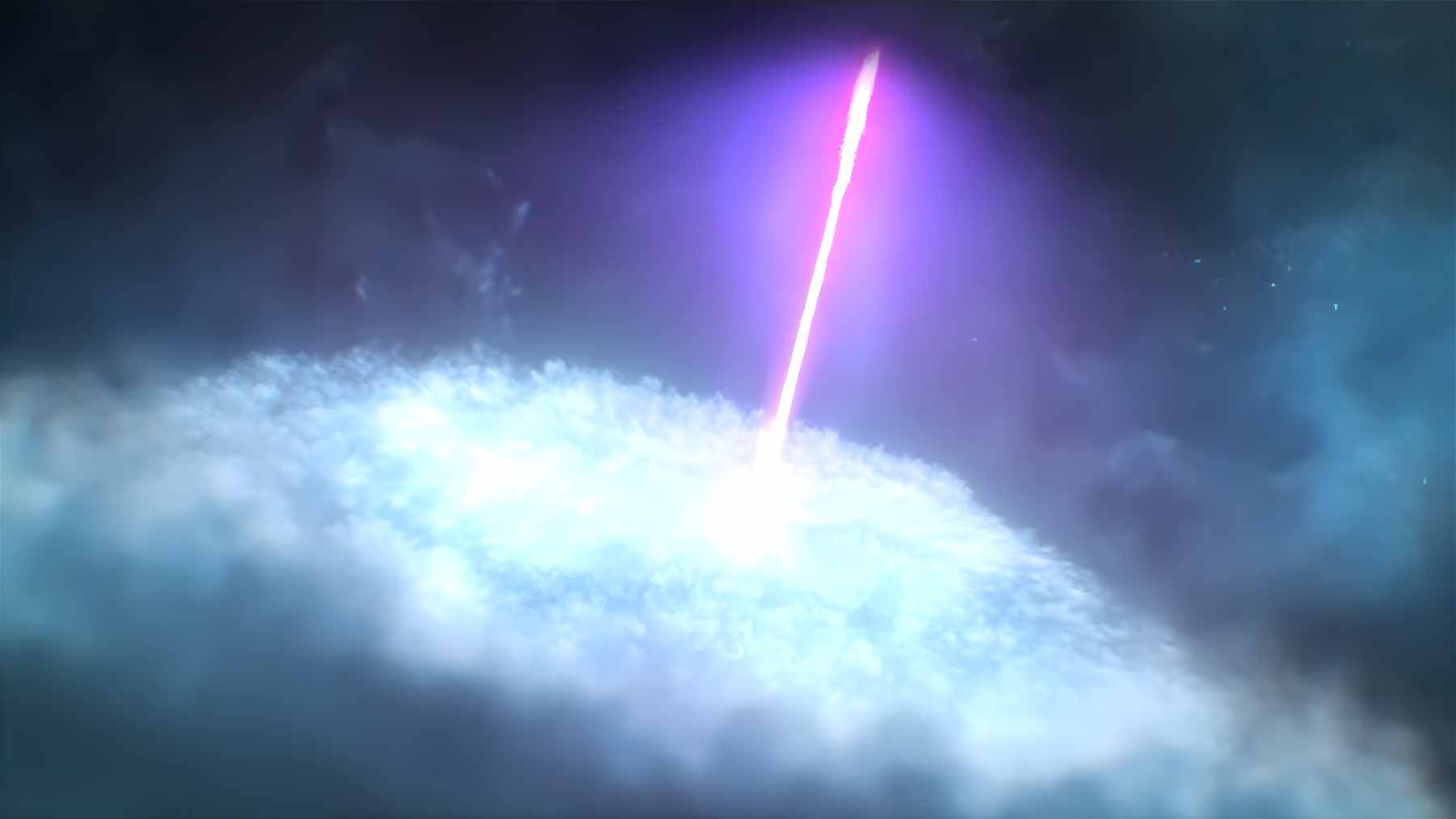
What happens when a cosmic explosion refuses to switch off? Astronomers say GRB 250702B kept firing for more than seven hours, around 25,000 seconds, making it the longest gamma-ray burst ever recorded.
Detected on July 2, 2025, the burst is so unusual that researchers think it may signal a new kind of stellar death, with one leading explanation involving a black hole consuming a stripped helium star.
“This is certainly an outburst unlike any other we’ve seen in the past 50 years,” researcher Eliza Neights said in a NASA statement.
Why GRB 250702B stands out
Most gamma-ray bursts are over in milliseconds to minutes, basically before you could finish pouring a cup of coffee. Scientists usually explain them in two main ways.
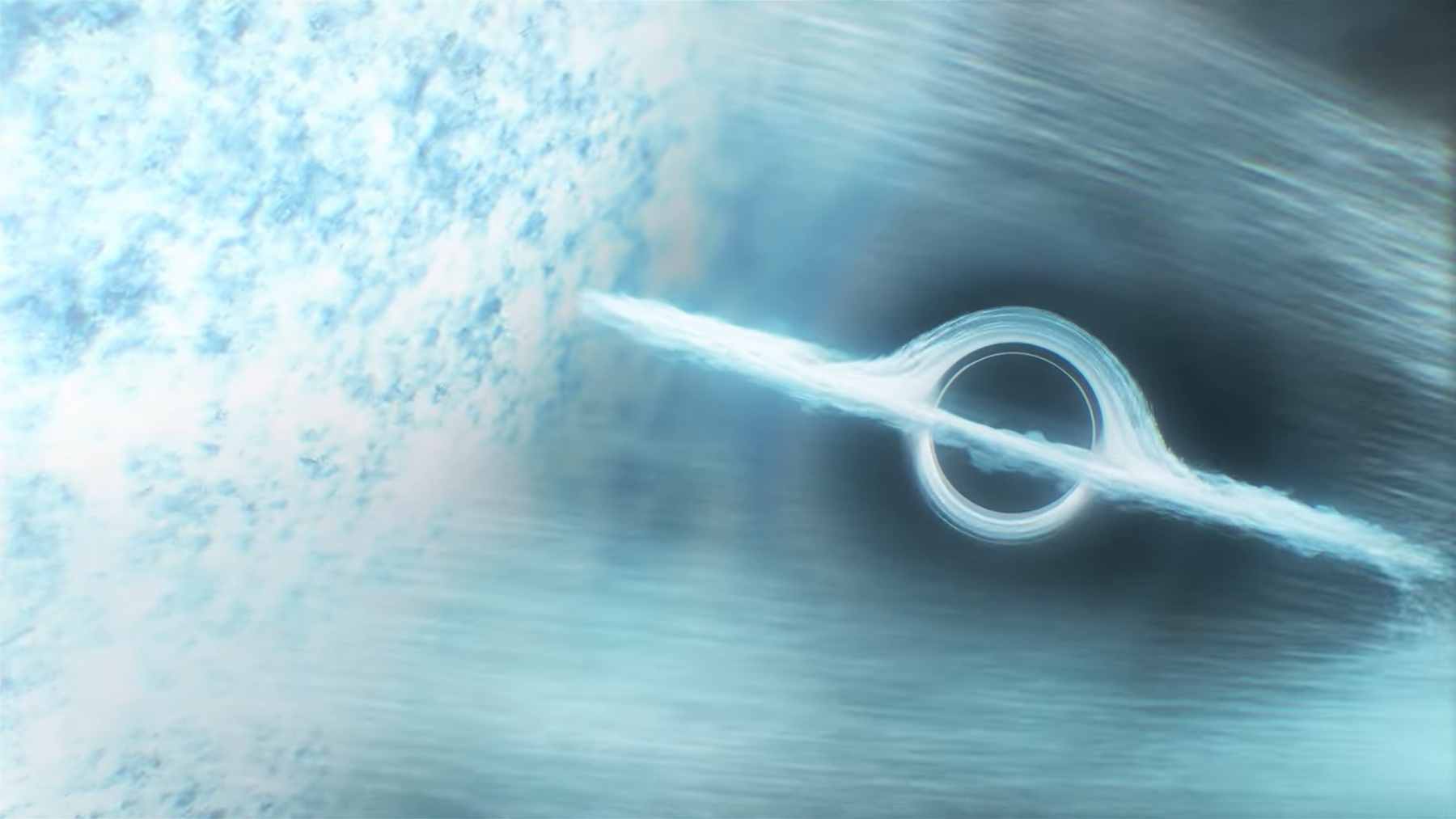
Either a massive star collapses into a black hole, or two neutron stars merge and leave a compact object behind. But the new Monthly Notices of the Royal Astronomical Society paper says GRB 250702B lasted too long, and showed a hard spectrum, subsecond variability, and high total energy that standard models struggle to match.
For the gamma-ray team, the best fit is what astronomers call a helium-star merger.
In practical terms, a small black hole circles a helium star that has already lost its outer hydrogen layers. As the star expands, the black hole plunges inside, feeds rapidly, and powers a jet for far longer than usual.
NASA’s broader roundup of the event notes that other researchers are still testing alternatives, including a rarer tidal disruption scenario, so the picture is promising but not fully settled. That uncertainty is part of the story.
The tech problem this burst exposed
There is also a sharp technology lesson here. Gamma-ray bursts themselves were first uncovered by Cold War era Vela satellites, and this record breaker showed once again that detection tools shape discovery.
NASA said no single high-energy monitor in space could capture the full event, so scientists had to combine data from Fermi, Swift, Wind, Psyche, and MAXI to piece it together.
That is why future instruments matter, and why NASA’s COSI mission, planned for 2027, could be important for spotting more long, faint bursts that current systems can miss.
At the end of the day, GRB 250702B is more than a record. It is a reminder that the universe still moves faster than our categories, and sometimes faster than our hardware too.
The official statement was published on NASA Science.