Europe may have enough fuel stored to fight a full scale war for only about three months, according to Shena Britzen of Rheinmetall. She calls fuel “the cornerstone of our defense readiness” and at the same time its biggest weakness.
In an interview on ntv, Britzen warns that tanks, fighter jets, trucks, and even hospitals would start running dry within weeks if supply chains were hit in a major conflict.
That is why she and partners in the green hydrogen industry are pushing a plan built around synthetic fuels and a new network of small “energy islands” spread across the continent.
Fuel as Europe’s hidden vulnerability
Today, about sixty refineries form the backbone of European fuel supply. Britzen warns that in a high intensity war current reserves would be exhausted in roughly three months which would leave battle tanks, ships, and even ambulances waiting for deliveries that might never arrive. What happens if that fuel stops flowing?
Drone strikes by Ukraine on refineries in Russia, which have already taken around fifteen percent of Russian capacity offline, show how quickly that lifeline can be cut.
Recent sabotage and outages around Berlin and on power and data cables in the Baltic Sea tell a similar story closer to home. For Kira Vinke of the German Council on Foreign Relations these incidents are a warning that energy security and national security now overlap almost completely.
Logistics sit at the heart of this problem. Britzen recalls the words of US General General Bradley who said that strategy is for amateurs and that professionals talk about logistics, and she points out that in Afghanistan many NATO casualties were linked to supply routes, especially fuel convoys.
Green hydrogen and synthetic fuels as a lifeline
Britzen leads the hydrogen program at Rheinmetall, a company based in Germany that spent decades as both an automotive supplier and a defense contractor. Through its car parts business it has worked on fuel cells for more than twenty five years, experience she now wants to apply to tanks and other military vehicles.
Fully electric battle tanks are not realistic in her view. A Leopard 2 main battle tank burns about seven liters of diesel per kilometer in combat, and a battery pack powerful enough to match that range would add tens of tons to its weight.
Instead, Rheinmetall is betting on synthetic fuels based on green hydrogen which can run through existing diesel and kerosene engines. Green hydrogen means hydrogen produced with renewable electricity from wind or solar so it can cut emissions while also reducing dependence on imported oil and gas.
Britzen estimates that Europe would need production capacity of at least twenty million tons of such e fuels a year and seven to eight gigawatts of electrolysis capacity in Germany alone to cover defense needs.
Building energy islands before the next crisis
To close the gap between military needs and climate goals, Rheinmetall wants to create a European network of modular fuel plants that it calls energy islands. Each small facility would use local renewable power to produce around five thousand tons of synthetic diesel and kerosene a year for nearby bases, trucks, and even civilian users.
A large conventional plant might make one hundred thousand tons of fuel and require hundreds of wind turbines in one place, while a smaller island can run on around ten turbines that local residents already accept.
Britzen compares the planned network to groundwater since no unit should be more than fifty or one hundred kilometers away from the next fuel source, so if one is damaged the others can keep running.
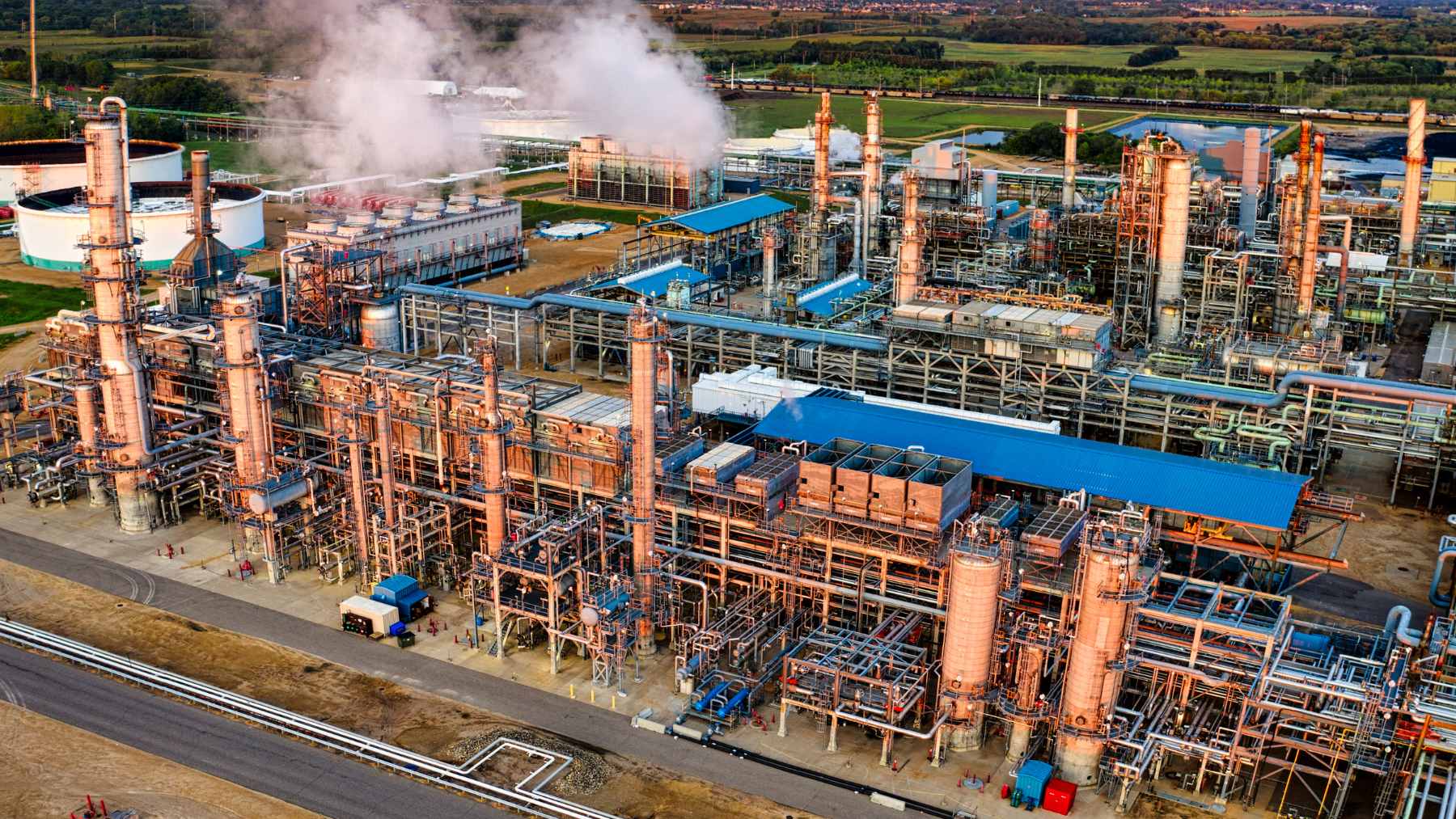
The industrial groundwork is already being laid. Nils Aldag, who heads cleantech firm Sunfire, says his company is delivering two hundred megawatts of electrolizers to Repsol in Spain and that a new synthetic kerosene plant in Bilbao is expected to operate on the basis that the technology already works.
A race against time and market forces
According to NATO, Russia could be ready for a new large scale attack in about five years, which gives governments and industry a tight window to build this new fuel system. Britzen argues that the European green tech sector is strong enough to scale up in that time if leaders treat energy islands and green hydrogen as core security projects rather than optional climate extras.
She puts the price of a full network at around four hundred billion euros across Europe and thirty to fifty billion in Germany yet calls it a necessity, not a luxury.
For the most part, Europe still imports about ninety eight percent of its oil and eighty eight percent of its gas and has simply swapped dependence on Russian pipeline gas for liquefied natural gas from the United States, a shift that brought wild price swings and a 2022 gas crisis in which governments spent roughly six hundred billion euros to shield households from exploding energy bills.
Green fuels must also compete with cheaper fossil options. Today a liter of synthetic kerosene costs between four and five euros and although companies hope to cut that to around one or two, Nils Aldag says that at the end of the day no airline or army will switch unless policymakers in the European Union and national capitals back binding quotas and other support so that investors can confidently build multi gigawatt plants.
Industry groups want that requirement raised from 1.2 percent to about 2.5 percent of transport energy by 2030.
The main interview and analysis have been published by ntv in its Climate Lab program.