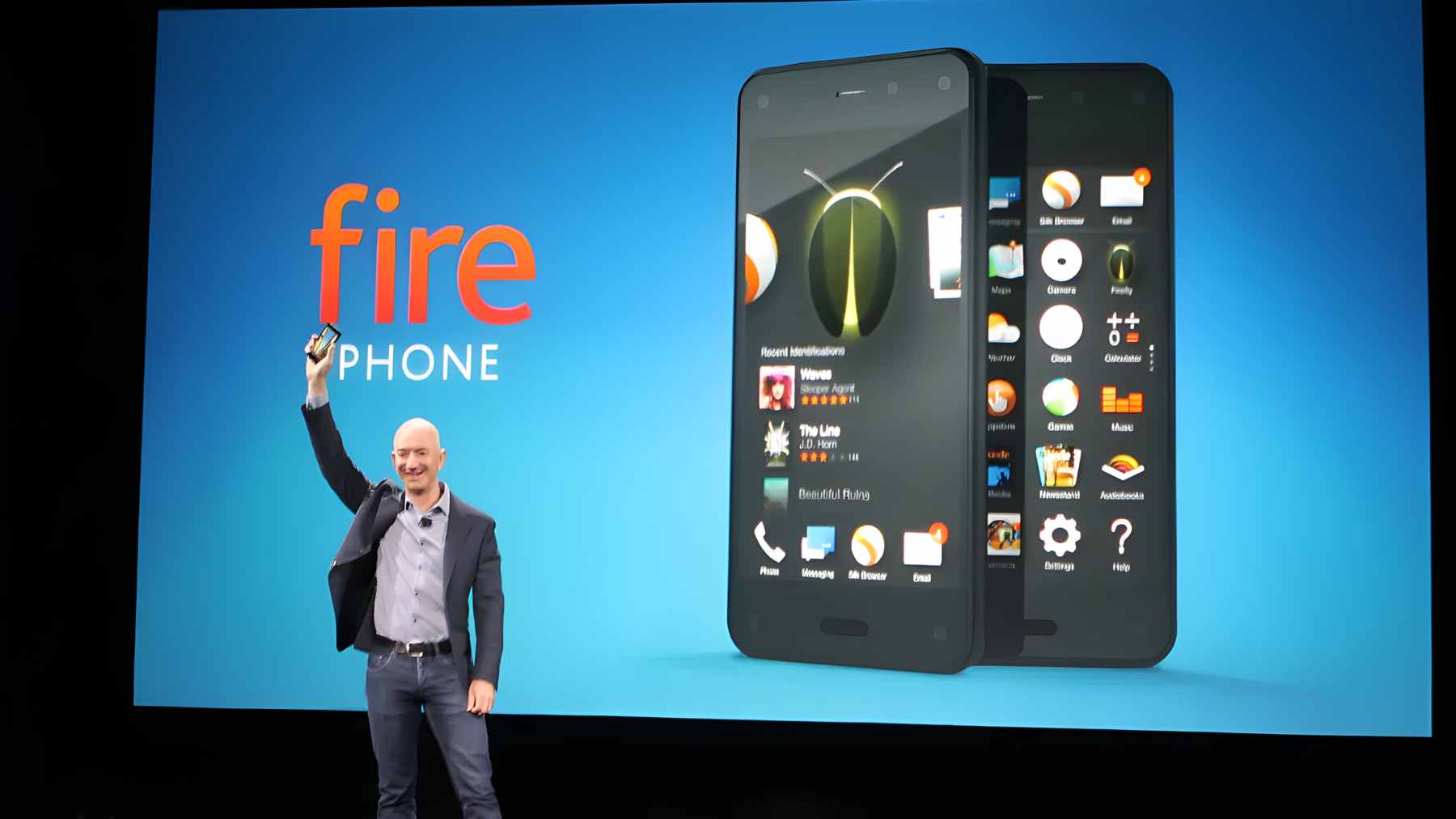
Amazon is reportedly working on a new smartphone codenamed “Transformer,” more than a decade after its Fire Phone failed and was scrapped after about 14 months.
This time, the pitch inside the company is less about fancy screens and more about a daily “personalization device” that stays in sync with home voice assistant Alexa and Amazon services from shopping to Prime Video.
But there’s a bigger question hovering over any new phone launch in 2026. In a world already drowning in electronic waste and facing rising electricity demand from AI, does another handset make things better, or quietly worse? The answer will matter for investors, regulators, and for anyone with a junk drawer full of old chargers.
Amazon is chasing a phone that feels like Alexa in your pocket
According to Reuters, Amazon’s new effort is being built inside its devices and services unit and is led by the ZeroOne group, which is tasked with creating “breakthrough” gadgets. The project is still under development, details like price and launch timing are unclear, and sources said it could still be scrapped.
The reported goal is an AI-heavy phone experience that could reduce reliance on traditional app stores by handling tasks through a more assistant-like interface.
That sounds sleek on paper, but analysts quoted in the report pointed out the uphill climb against Apple and Samsung, and one IDC executive warned that the “window of opportunity is tiny.”
A shrinking smartphone market collides with rising AI costs
Amazon is eyeing a comeback at a moment when the broader phone business is under pressure. IDC forecast that global smartphone shipments could fall 12.9 percent in 2026 to about 1.12 billion units, which would be the steepest decline on record, with higher memory prices pushing up device costs.
In practical terms, that means phones may get more expensive right as consumers are holding onto devices longer.
If Amazon enters late, it will need a very clear reason for people to carry another phone, especially when the market leaders already have most users locked into familiar ecosystems.
The “invisible” climate footprint of an AI phone is the cloud behind it
AI features feel local when you’re talking to your phone on the couch, but a lot of that work can still rely on data centers.
The International Energy Agency estimates data centers used about 415 terawatt-hours of electricity in 2024, roughly 1.5 percent of global electricity consumption, and it projects demand could more than double by 2030 to around 945 terawatt-hours.
That matters because an AI-first phone strategy is not just a hardware story. It can also be a server story, which shows up later in electricity demand, grid stress, and yes, the electric bill, especially during that sticky summer heat we all know when air conditioners and servers are both working overtime.
E-waste is the part of the smartphone story we keep postponing
Every new handset also raises a blunt environmental issue. The world generated an estimated 62 million tonnes of electronic waste in 2022, and only 22.3 percent was documented as formally collected and recycled, according to the World Health Organization.
That’s not just a landfill problem. E-waste can release hazardous substances when it’s dumped or handled through informal recycling, and the lost materials include valuable resources that still have to be mined again if they are not recovered.
Phones, minerals, and defense supply chains are now tied together
The materials inside smartphones are no longer just a consumer tech concern. NATO has explicitly published a list of 12 defense-critical raw materials, highlighting how modern electronics and military equipment draw from overlapping supply chains.
You can see that overlap in recent procurement moves. Reuters reported that Lynas and the U.S. government discussed a supply framework in which the Department of Defense would allocate about $96 million for rare earth oxide purchases, underscoring how strategic these inputs have become across industries.
A greener phone comeback would be boring in the best way
If Amazon wants Transformer to land well in 2026, the environmental “win” probably won’t come from flashy AI demos. It will come from durability, repair, and long-term support, the unglamorous stuff that keeps a device out of the trash and reduces demand for new raw material extraction.
Regulators are already pushing the market in that direction. The European Commission says new EU ecodesign and energy labeling rules started applying on June 20, 2025 for smartphones and tablets placed on the EU market, aiming to boost lifespan, energy efficiency, and ease of repair.
The official statement was published on the European Commission website.