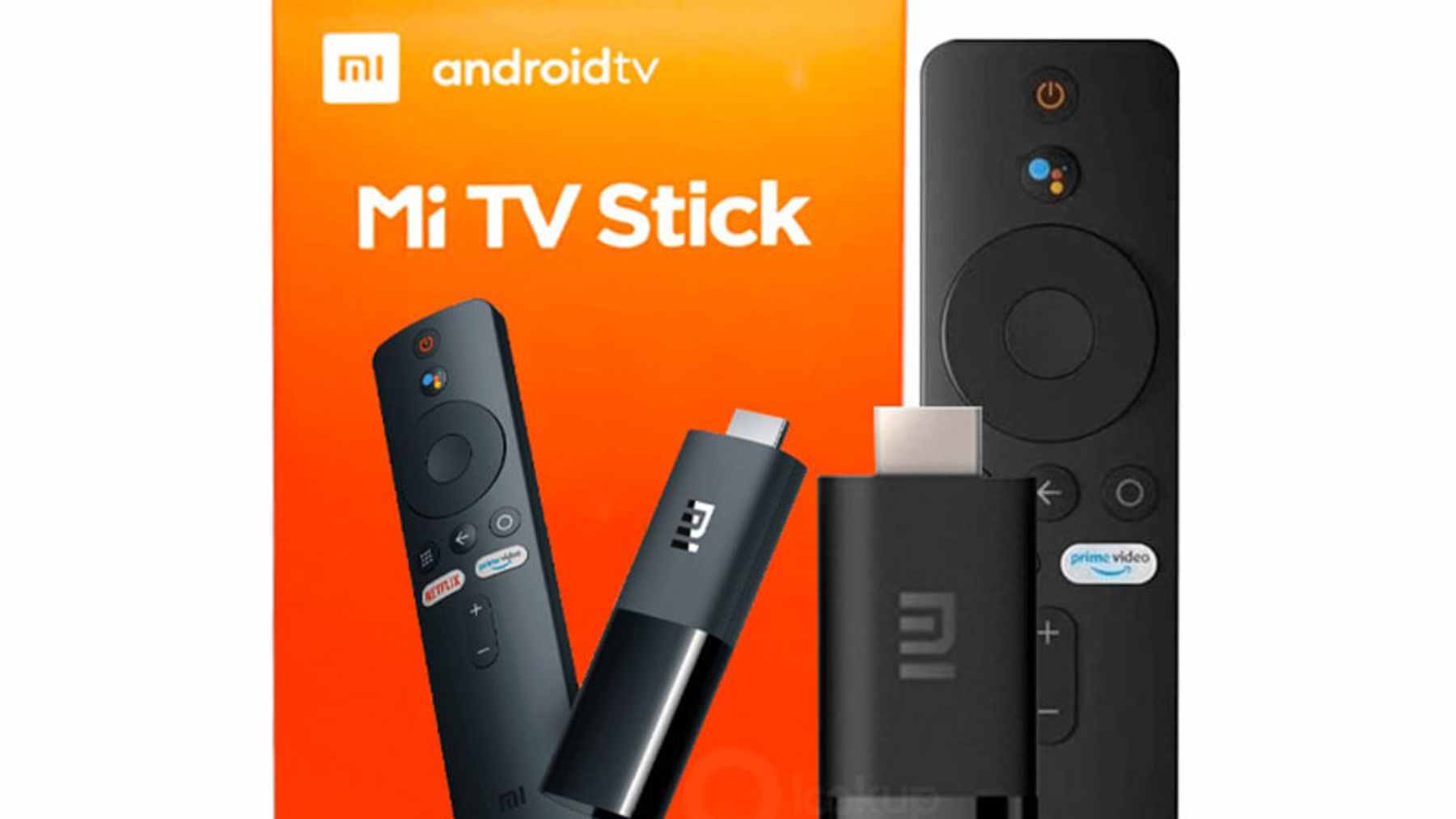
Xiaomi has unveiled the Xiaomi TV Stick HD (2nd Gen), a small HDMI dongle meant to turn an older screen into a Google TV setup with HDR10+ and a voice remote. It looks like a simple way to keep a still-working television in your home instead of replacing it.
So is this a green move, or just another gadget? The answer depends less on the stick and more on what it triggers–more streaming, more electricity use, and more pressure on a supply chain that now matters for climate policy and national security.
A cheap TV upgrade that can cut waste, or add to it
Xiaomi’s new stick tops out at 1080p at up to 60Hz and runs on a quad-core Cortex-A55 with 1GB of DDR4 RAM and 8GB of storage. For many people, that is enough to add apps and a modern interface without buying a whole new TV.
Connectivity and media support are clearly the point. The device includes dual-band Wi-Fi, Bluetooth 5.0, and decoding support that includes AV1, and Xiaomi says CPU performance is up 38% versus the older Mi TV Stick based on internal testing.
But one design choice feels dated: power comes via micro USB, and Xiaomi notes the box does not include a power adapter, meaning buyers will usually reuse a charger or power it from the TV.
Streaming’s footprint is mostly electricity, and it is growing fast
The real climate math of streaming starts with data centers. The International Energy Agency estimates global data center electricity consumption was about 240 to 340 TWh in 2022, around 1% to 1.3% of global final electricity demand.
The trendline is heading up. In its 2025 “Energy and AI” analysis, the IEA projects global data center electricity consumption could roughly double to around 945 TWh by 2030 in its base case, with AI as a major driver, and the rest of the online economy coming along for the ride.
What you watch on matters, too. The IEA has pointed out that TVs consume far more electricity than phones and laptops, so a “smart TV” upgrade can still raise home energy use if it leads to more hours on a big screen.
E-waste is now a security issue, not just a recycling problem
Even if a streaming stick helps you keep a TV longer, it still becomes e-waste eventually. The ITU’s Global E-waste Monitor 2024 reports 137 billion lbs. of e-waste were generated in 2022, and only 22.3% was documented as formally collected and recycled in an environmentally sound way.
That waste contains strategic materials, not just plastic and copper. UN reporting around the same dataset notes that only about 1% of rare earth element demand is met by e-waste recycling today, even though those elements are used across advanced electronics and magnets.
This is where Military and Defense enters a story that starts on the couch.
In a Jan. 17, 2025 U.S. Department of Defense release, the department announced a $5.1 million award to REEcycle to recover rare earth elements from recycled electronic waste, aiming for an estimated annual production of 50 tons of rare earth oxides used in neodymium iron boron magnets for systems like missiles and submarines, and a DoD official said the effort helps extract value from material “that would otherwise end up in landfills.”
Regulation is trying to catch up with the gadget economy
Europe is tightening rules on repair, and the timing is close. The European Commission says its directive on promoting the repair of goods entered into force in 2024 and must be applied by Member States from July 31, 2026, aiming to make repair and reuse more common.
Energy rules are shifting as well. Revised EU limits for off mode, standby, and networked standby apply from May 9, 2025, and the EU’s common charger rules have already pushed many categories of portable devices toward USB-C since late 2024 in an effort to reduce charger clutter and e-waste.
The most telling signal may be how “recycling” is being reframed as industrial strategy. In a Jan. 22, 2026 EU Environment news blog, the Commission highlighted the PLAST2bCLEANED project for tackling hazardous plastics in e-waste and tied it to Digital Product Passports and the Critical Raw Materials Act, including a stated push to recycle at least 25% of critical minerals domestically by 2030.