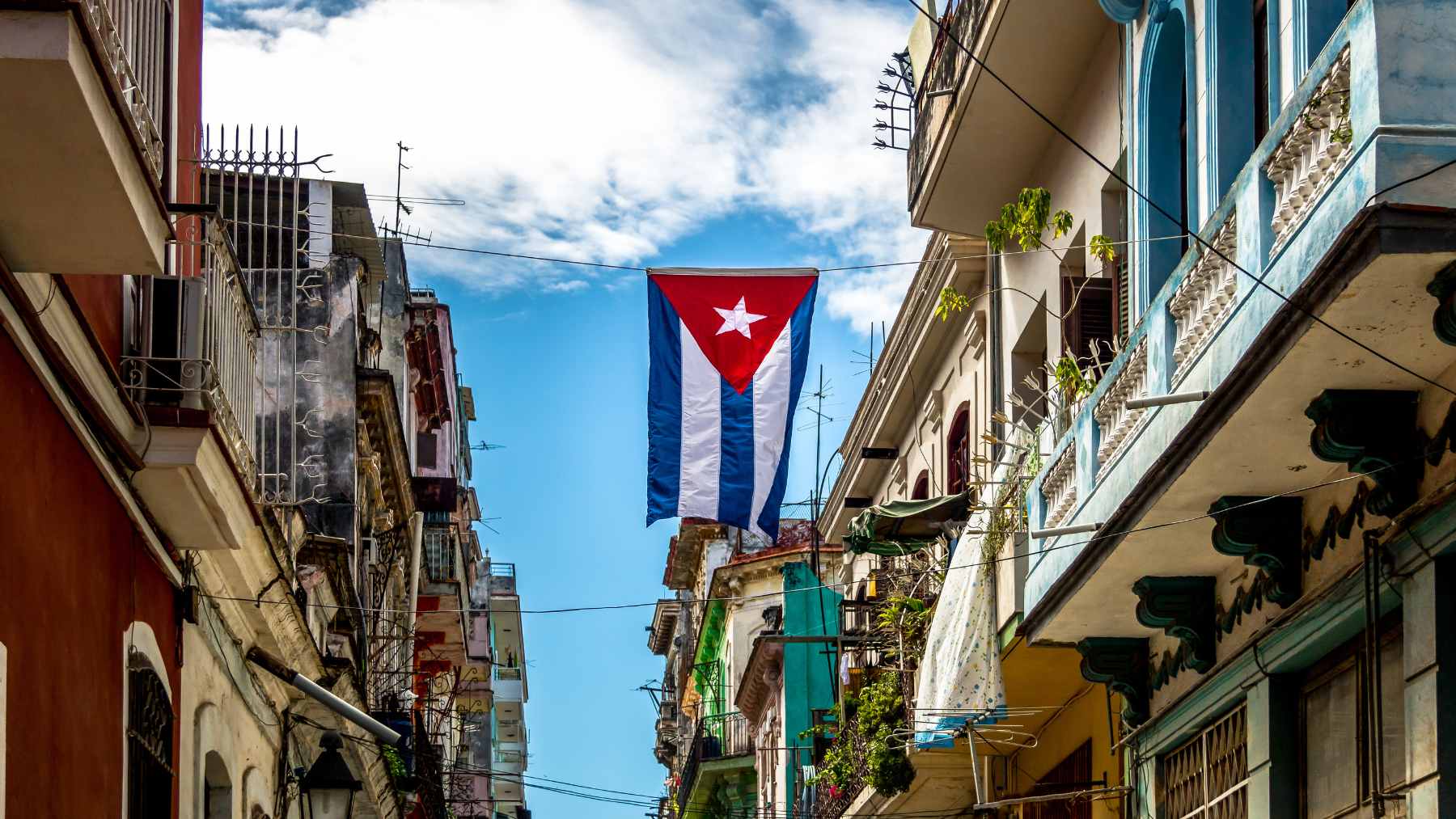
What does an energy crisis look like when it stops being abstract? In Cuba, it now looks like fewer buses on the road, classes moved online, and a government racing to rewrite parts of the economic model.
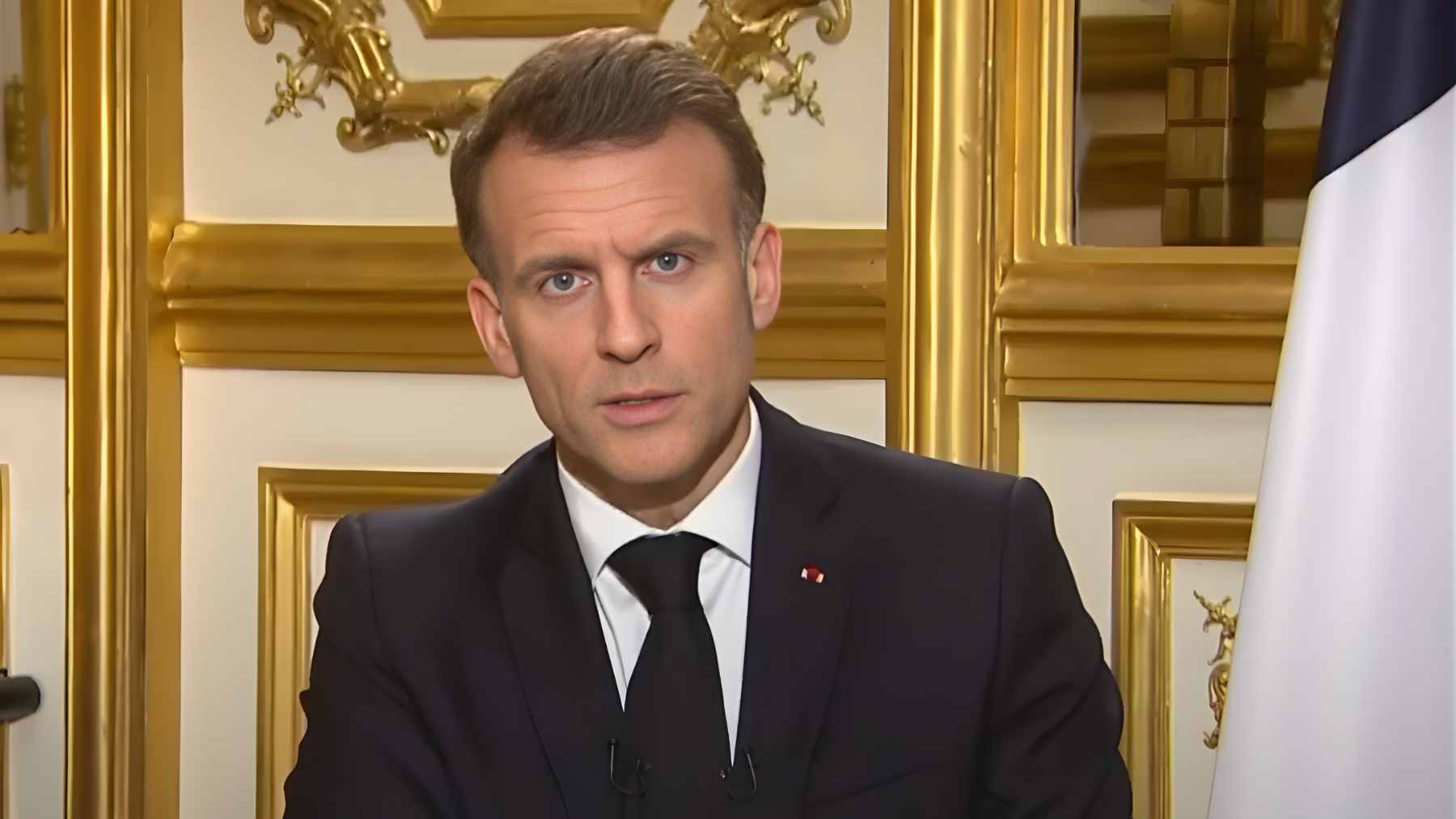
President Miguel Díaz-Canel said this week that officials must focus “immediately” on urgent changes as fuel reserves shrink and power problems continue.
That matters for more than politics. It also speaks to the environment, the power grid, and the daily reality of keeping the lights on when blackouts hit and the fan stops in that sticky heat we all know.
Prime Minister Manuel Marrero Cruz said food production and changes to the electric system are now top priorities, a sign that Cuba’s crisis is hitting both household life and national planning.
Cuba’s energy crisis is forcing a local response
According to state media cited by The Associated Press, Díaz-Canel wants more room for municipalities to act on foreign investment, partnerships between state and non-state businesses, and investments involving Cubans living abroad.
In practical terms, that means local governments are being asked to solve more of their own energy and development problems instead of waiting for Havana to do everything.
And that is where the environmental angle comes in. Energy and Mines Minister Vicente de la O Levy said municipalities are still moving too slowly on their transition strategies, even after solar panels were distributed to doctors, teachers, and children.
That detail says a lot. Solar is no longer being treated as a distant green talking point. For Cuba, it is starting to look more like a survival tool.
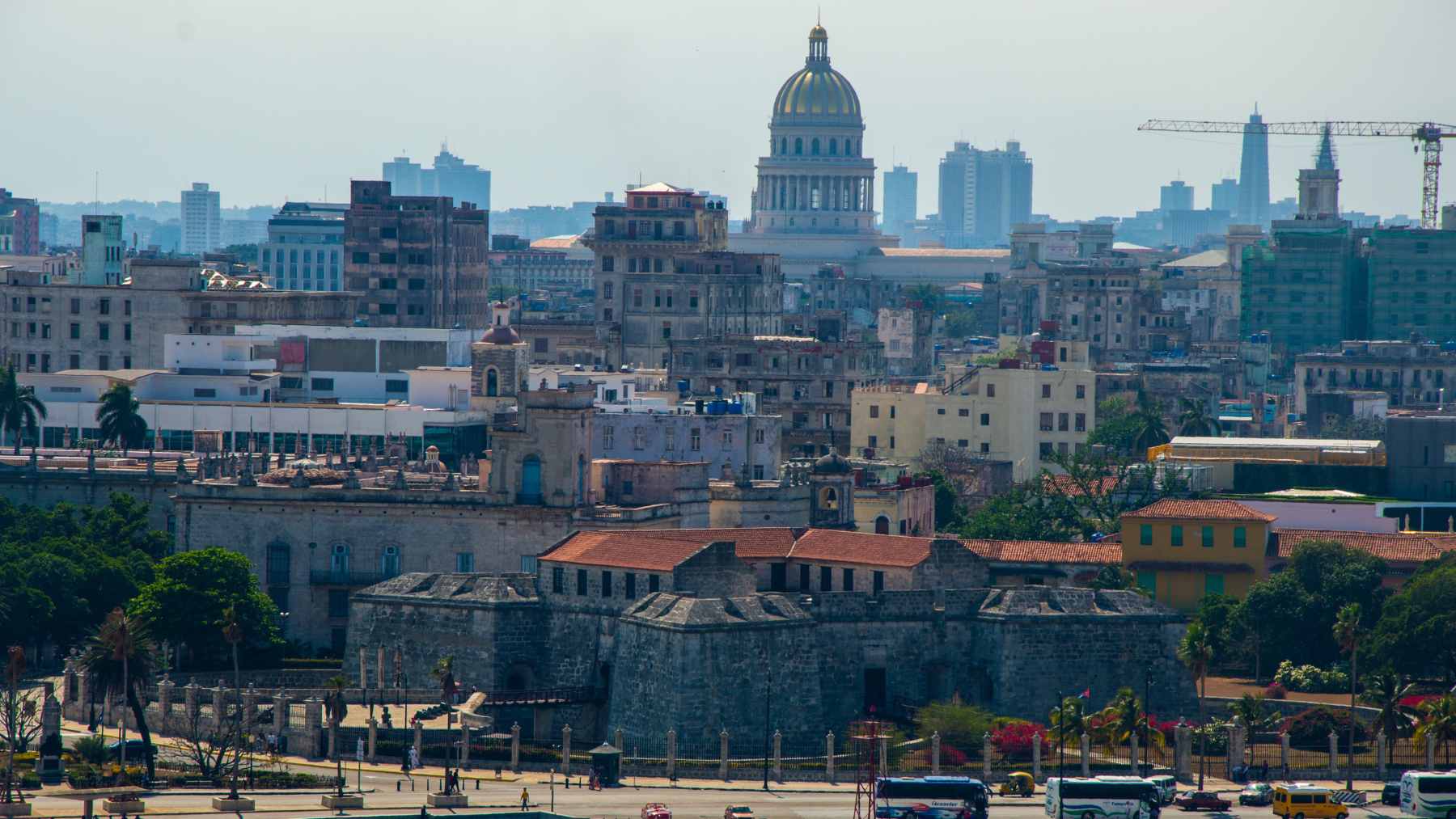
Solar alone will not solve the problem
Still, panels alone cannot patch an aging grid or replace lost oil shipments overnight. Last month, Cuba adopted fuel-saving measures that included suspending some public transportation and moving classes online.
Last week, the U.S. Treasury slightly eased restrictions on Venezuelan oil sales to Cuba, but the broader energy and economic squeeze is expected to continue.
The pressure is also financial. Government statistics cited by AP show that tougher U.S. sanctions stripped the island of nearly $8 billion in revenue from March 2024 to February 2025, about 50 percent more than in the previous period.
That is a huge hit for a country trying to modernize its grid, protect food production, and reduce its dependence on imported fuel.
At the end of the day, Cuba’s latest message is pretty clear. Cleaner, more local energy is not just about climate language anymore. It is becoming part of economic defense, public services, and basic stability.
And for a country dealing with outages, fuel shortages, and rising pressure, that shift could matter fast.
The official statement was published on Presidency of Cuba.