China is about to remove a key financial support that helped keep its solar exports ultra cheap, and the ripple effects could show up first in Africa.
The change is set to kick in on April 1, 2026 for photovoltaic products, just as Tesla is in talks to buy about $2.9 billion worth of solar manufacturing equipment from Chinese suppliers for a U.S. buildout.
This matters for the environment in a very practical way. Africa still has roughly 600 million people without electricity access, and solar has been one of the fastest paths to close that gap without locking in decades of diesel emissions and fuel imports.
If prices rise even gradually, the timing can reshape which projects get financed, which get delayed, and who gets left waiting when the power cuts hit at the worst moment.
What China is changing
In an official announcement dated January 8, 2026, China’s Ministry of Finance and State Taxation Administration said export VAT rebates for photovoltaic products will be canceled starting April 1, 2026.
It also set a phaseout path for batteries, with the export VAT rebate rate reduced from 9% to 6% through December 31, 2026, and then eliminated starting January 1, 2027.
In plain English, a tool that helped Chinese exporters price aggressively overseas is being pulled back. Reuters has reported China framed the move as a way to rein in cutthroat competition and stabilize a sector hit by overcapacity and falling export prices.
Those rock-bottom prices were real. AP reported module prices fell to as little as $0.07 per watt in 2025, down from $0.25 per watt in 2022, which helped accelerate adoption but squeezed manufacturers hard. Wood Mackenzie also described module prices hitting historic lows around $0.07 to $0.09 per watt in 2024 and early 2025.
Tesla’s equipment shopping spree
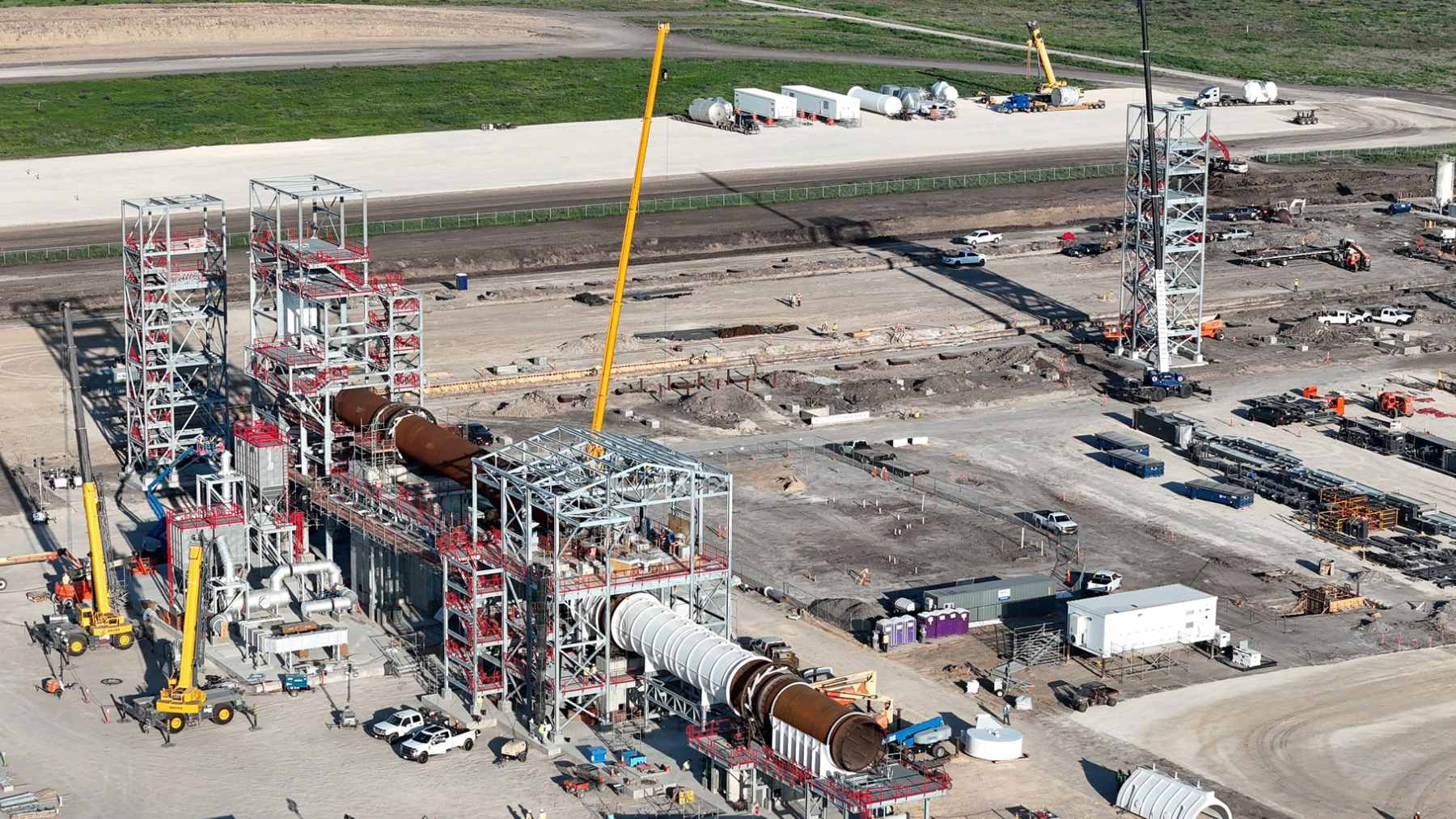
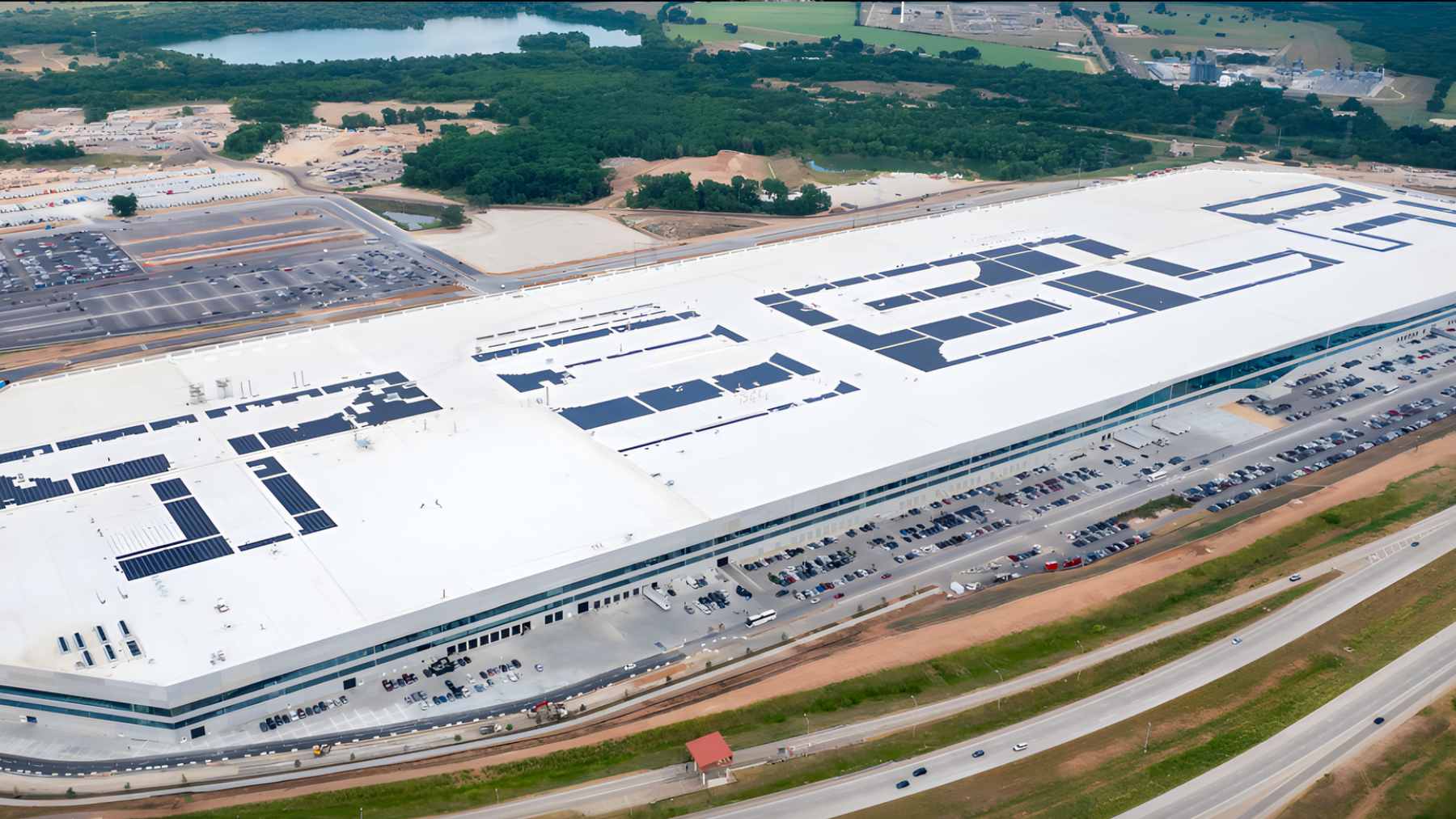
Tesla is now stepping into this shifting market with a very large order. Reuters reported the company is in talks to buy about $2.9 billion worth of equipment from Chinese suppliers to manufacture solar panels and cells, tied to a plan to deploy 100 gigawatts of “solar manufacturing from raw materials on American soil” before the end of 2028.
Some of that equipment may require export approval from Chinese regulators, and sources told Reuters the target is delivery before autumn, with shipments expected to go to Texas.
Even without a single panel shipped, just moving this much factory tooling can tighten availability for smaller buyers that do not have Tesla’s leverage.
There’s an uncomfortable irony here. Reuters noted U.S. tariffs restrict many solar imports, but solar manufacturing equipment was excluded from tariffs starting in 2024 and that approach continued under the current administration, because U.S. manufacturers argued there were few alternatives for the machines.
As such, the United States can push for domestic solar production while still depending on Chinese tooling to get there.
Africa feels the squeeze first
Africa’s solar market is more exposed to pricing shifts because it is still heavily dependent on imported Chinese technology.
AP reported that African buyers already pay more than many other regions because of transport costs, smaller import volumes, and tariffs, so removing the rebate stacks on top of costs that were already harder to swallow.
At the same time, the need is enormous. The International Energy Agency has put the number of people in Africa without electricity access at almost 600 million, which helps explain why governments and developers keep coming back to solar even when financing is complicated.
When the alternative is diesel generation, the “cheaper option” can also be the one that chokes local air and drains public budgets through fuel purchases.
The near-term story is not a sudden cliff, but a slow squeeze. AP quoted Africa Solar Industry Association CEO John van Zuylen calling the changes “significant, but not catastrophic,” and describing an end to “artificially cheap” pricing, with African countries likely to feel “a gradual upward shift.”
That kind of shift can still delay procurement, renegotiate contracts, and slow the project pipeline even if solar remains cost competitive overall.
Batteries are the real cliff
Solar panels are only half the story for reliability. When the sun drops and people still need light, refrigeration, or a phone charged for tomorrow, batteries are what turn solar from “nice” into dependable, especially for mini-grids and backup systems.
China’s policy timeline treats batteries differently, and that is where the stress may build. The official announcement sets a transition period where the export VAT rebate rate for battery products drops from 9% to 6% through the end of 2026, then disappears entirely starting January 1, 2027.
AP reported analysts expect smaller users to feel battery increases more sharply, partly because storage often makes up a bigger share of the budget for off-grid systems.
The same AP report also noted that many African solar installations historically were built without batteries, and only more recently has solar plus storage become more common, which makes the battery piece more economically sensitive than it used to be.
Clean energy is now a security tool
This is not only a climate story, it is a resilience story. Solar plus storage can keep clinics running, telecom towers online, and water pumping steady when grids fail, and those are the kinds of services that matter during heat waves, storms, and conflict disruptions.
Militaries are thinking along the same lines, for different reasons. A National Renewable Energy Laboratory report noted that a midsize to large military base relying only on emergency diesel generators could need on the order of 100,000 to 300,000 gallons of diesel to power critical loads for 14 days, and external fuel supply may not arrive during long outages.
That’s why microgrids that combine solar, storage, and backup generation are increasingly treated as mission resilience, not just “green upgrades.”
Put those threads together and you get a bigger point. If Chinese policy makes solar and storage hardware more expensive at the margin, the pressure will land on the places that need resilience the most but have the least financial slack, including vulnerable communities and critical infrastructure operators.
What to watch next
First, watch the calendar. AP warned about possible stockpiling rushes and shipment congestion as buyers try to get deliveries out before the new pricing dynamics settle in, and that kind of front loading can create its own temporary shortages.
Next, follow who absorbs the cost. When rebates vanish, exporters can eat some of it, raise prices, or reduce discounting, and AP’s sources expect a mix, not a single clean outcome, which makes budgeting harder for projects still trying to reach financial close.
Finally, look for second-order shifts that could actually help the environment long term. The IEA has warned that China dominates solar manufacturing across the supply chain, with shares exceeding 80% across key stages, and supply concentration is a vulnerability for everyone.
If higher prices and tighter timelines push more local assembly, diversified sourcing, and better financing for storage, the short-term pain could turn into a more resilient clean energy market.
The official statement was published on State Taxation Administration of China.