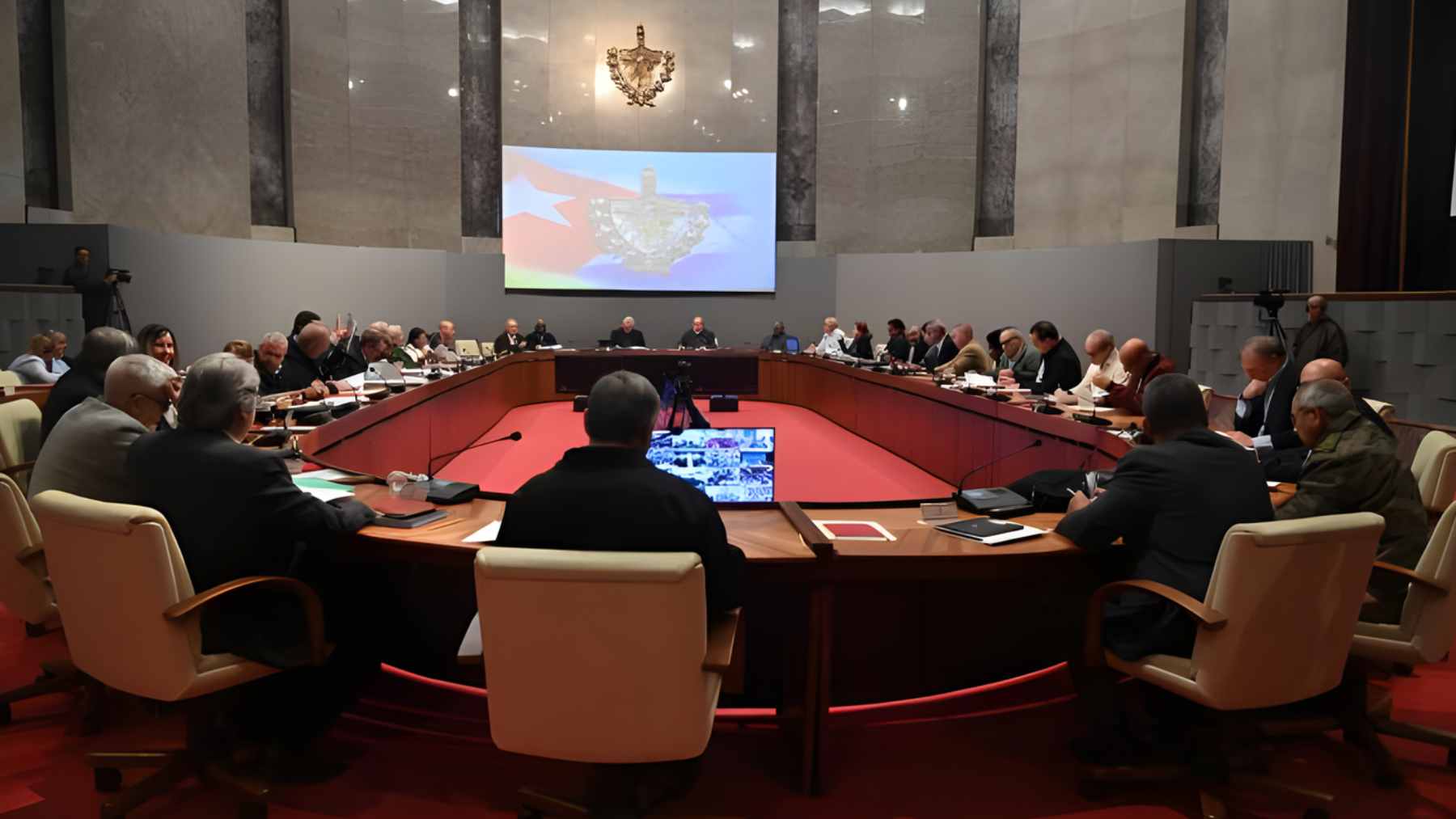
What happens when an energy transition stops sounding like a long-term policy goal and starts feeling like a daily emergency? That is where Cuba is now. President Miguel Díaz-Canel told the Council of Ministers to move “immediately” on urgent changes to the country’s economic and social model, and one of the clearest priorities is the power system.
The push comes as the island struggles with fuel shortages, repeated outages, and new pressure on transport, schools, and essential services.
In practical terms, the government is treating energy and the environment as part of the same fight. Díaz-Canel tied the new phase to business autonomy, municipal autonomy, food production, exports, foreign investment, and what officials call a change in the energy matrix.
Prime Minister Manuel Marrero also said food and the power grid now sit at the top of the agenda. That matters because when buses stop running and traffic lights go dark, energy policy stops feeling abstract.
The municipalities carry the real test
The most telling detail from the meeting was not simply that solar panels are being distributed. It was that local governments are being asked to build full transition strategies with their own resources. Officials said progress is still slow.
Only nine municipalities have a completed design so far, even though panels are already being delivered to doctors, teachers, and children who depend on electricity-powered equipment.
The official report also points to small solar systems for polyclinics, maternity homes, ATMs, and recovered windmills as part of the local mix.
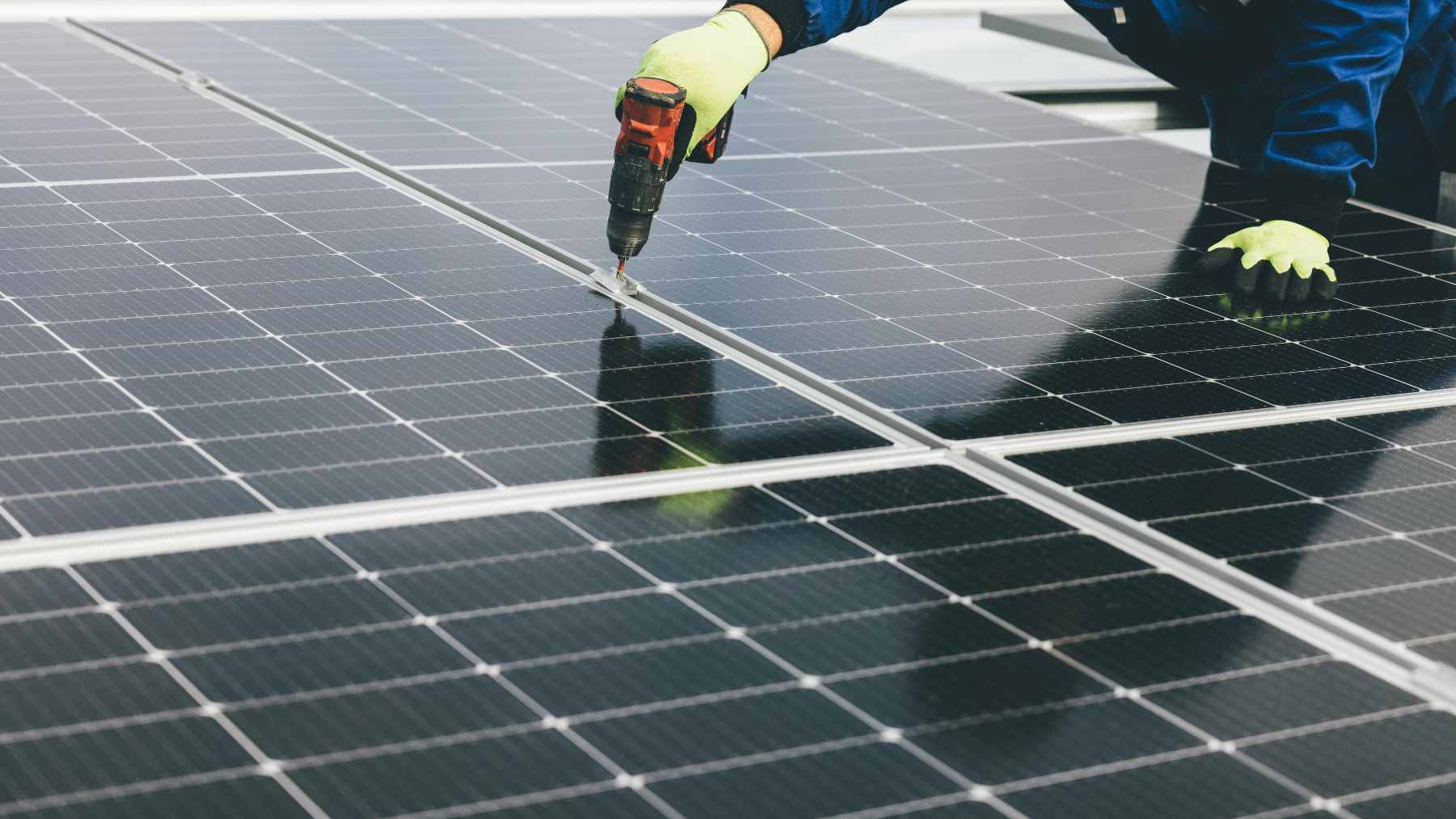
There is already some scale behind the effort. Reuters reported in February that Cuba was producing about 1,000 megawatts, or 38 percent of its daytime generation, from solar panels installed with Chinese support over the past two years. But cleaner power has not erased the broader crunch.
Last month, austerity measures halted some public transportation and moved classes online, a reminder that this story reaches far beyond the grid and into everyday routines.
Money could decide whether this works
Also, this is not just about technology. It is about financing and execution. According to the official report, 141 municipalities exceeded their income targets in 2025, which could allow more than 9 billion Cuban pesos to flow into local development in 2026.
At the end of the day, that may be the real measure of success. A greener grid only matters if it gives families fewer blackouts, clinics steadier power, and local businesses one less reason to shut their doors early.
The official statement was published on Granma.