Europe is building an 18-kilometer tunnel (11.2-mile) under the Baltic Sea that could change how people and freight move between Denmark and Germany.
The Fehmarnbelt link is designed with four highway lanes and two electrified rail tracks, and project documents say it could cut the Rødbyhavn to Puttgarden crossing to about 10 minutes by car and 7 minutes by train.
Hamburg to Copenhagen rail trips are expected to fall to about 2.5 hours.
That is the headline benefit. But for an environmental story, the bigger question is simpler. Can a mega project this large really make travel cleaner, not just faster? The official financial framework is €7.4 billion (2015 prices) ($8.62 billion), and Germany’s transport ministry says the EU has committed around €1.288 billion ($1.48 billion) in CEF rail funding.
Still, the schedule has slipped. Sund & Bælt said in January that the immersion pontoon was almost two years behind the original plan and that opening in 2029 was no longer realistic.
The engineering is hard to ignore. The tunnel is being assembled from 79 standard elements and 10 special ones.
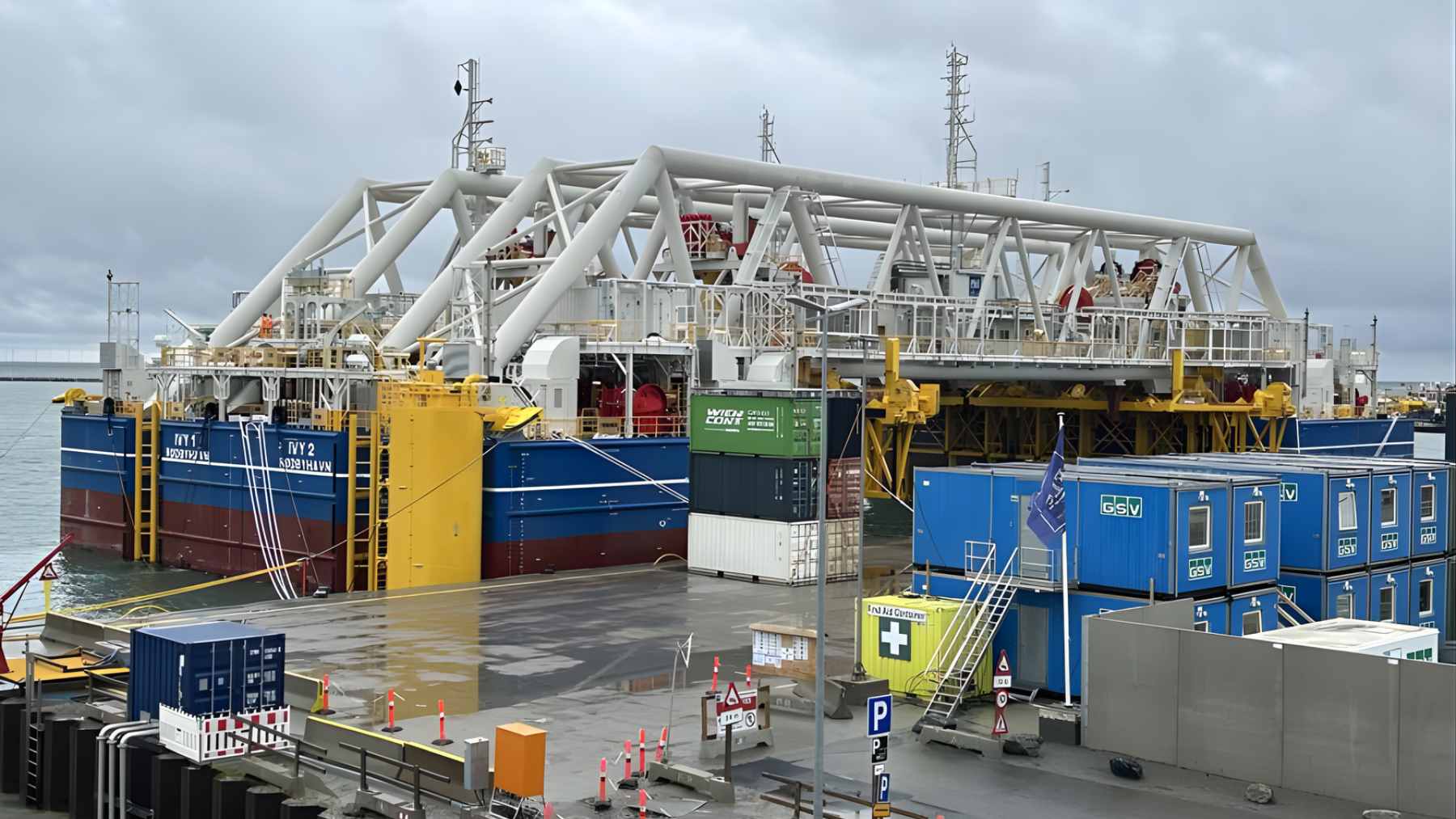
Each standard section is 217 meters long (712 ft.) and weighs about 73,000 metric tons. In March, Femern said the custom pontoon vessel IVY 1 and 2 had completed a key test with a finished tunnel element secured between the two units, and deputy contract director Lasse Vester said the first immersion was expected “later this spring.”
It sounds almost unreal, like snapping together building blocks underwater, only at industrial scale.
Why the environmental pitch matters
This is where the project tries to win the public case. On its sustainability page, Femern says the tunnel will save international trains and trucks a 160-kilometer (100-mile) detour through Denmark, cutting emissions and making it more attractive to move freight from road to rail.
Also, most of the 15 million cubic meters dredged from the trench are being reused for land reclamation off Lolland, where around 300 hectares (740 acres) of nature and recreation areas are planned.
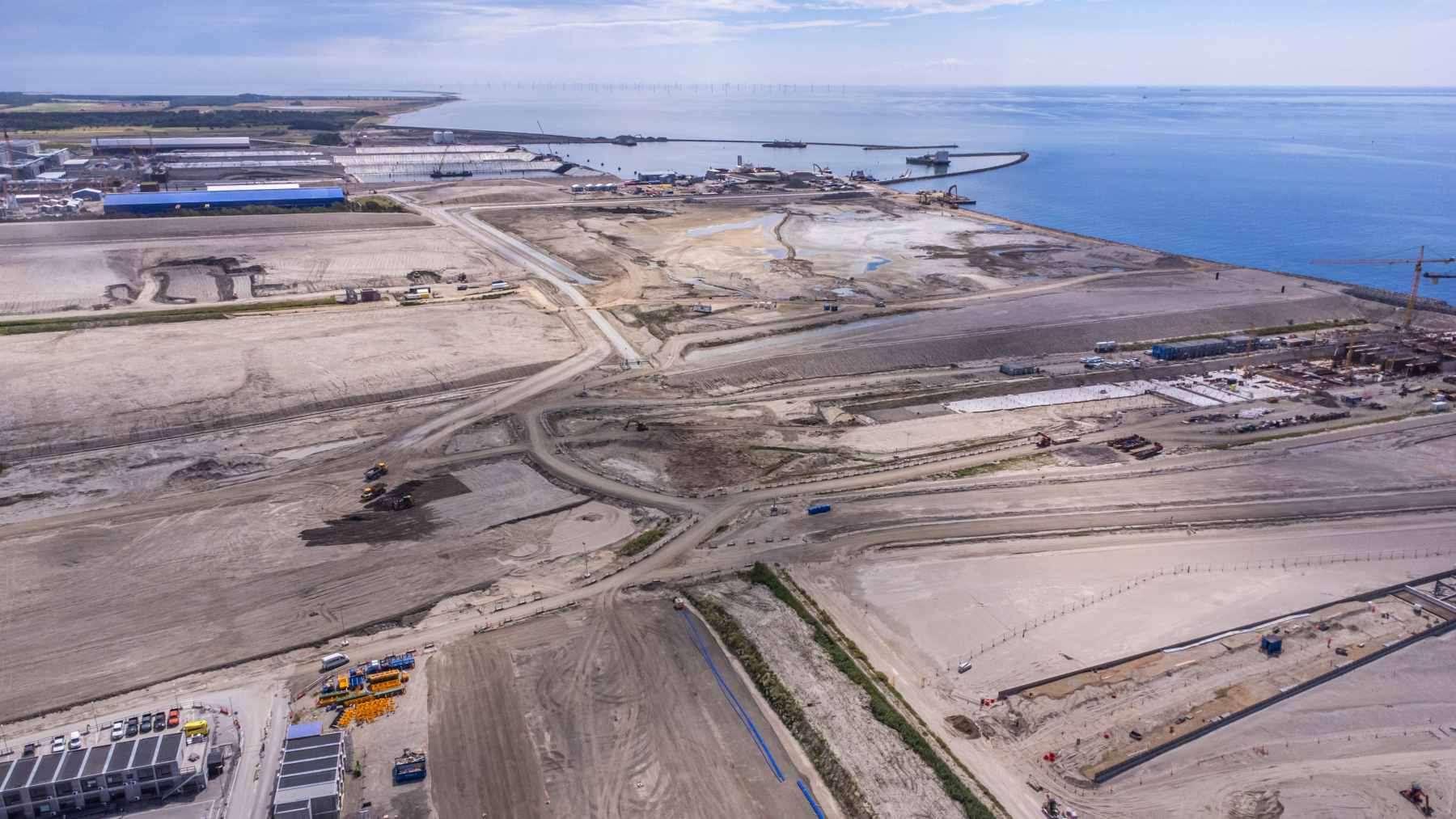
On the German side, more than 500,000 metric tons of material had already been delivered via the work harbor by November 2025, and the project says concrete materials are mainly delivered that way to avoid transport across the island of Fehmarn.
Essentially, that can mean fewer truck movements, less noise, and less of the stop and go traffic locals know too well.
Still, huge infrastructure is never footprint free. The project’s 2024 sustainability status says its climate footprint last year was 198,324 metric tons of CO2e, against a construction phase baseline of 2.25 million metric tons of CO2e.
By the project’s own figures, a 10% cut in concrete for tunnel elements saved around 40,000 metric tons of CO2e. The same report says 42 hectares (104 acres) of coastal farmland were converted into wetlands in 2024 and that there were no breaches of upper limits for sediment spill.
So yes, the Fehmarnbelt tunnel promises quicker trips and tighter trade links. But its real legacy may depend on whether Europe can prove that a giant transport corridor and environmental discipline can actually travel in the same lane.
The official statement was published on Femern.