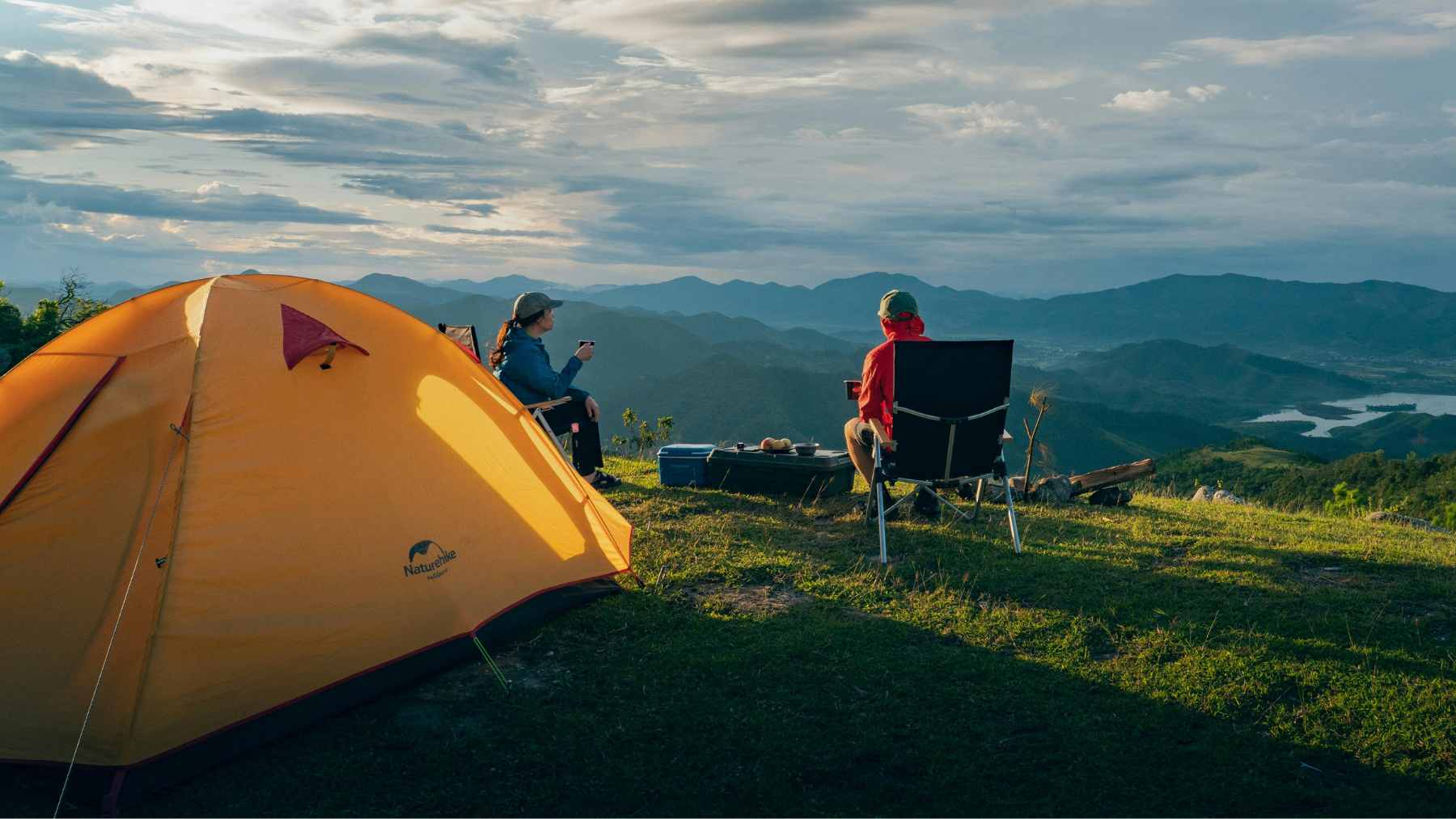
What happens when the sun drops, the campsite goes dark, and your phone is hanging on at 9 percent? A Canadian company says a tiny wind turbine may help fill that gap.
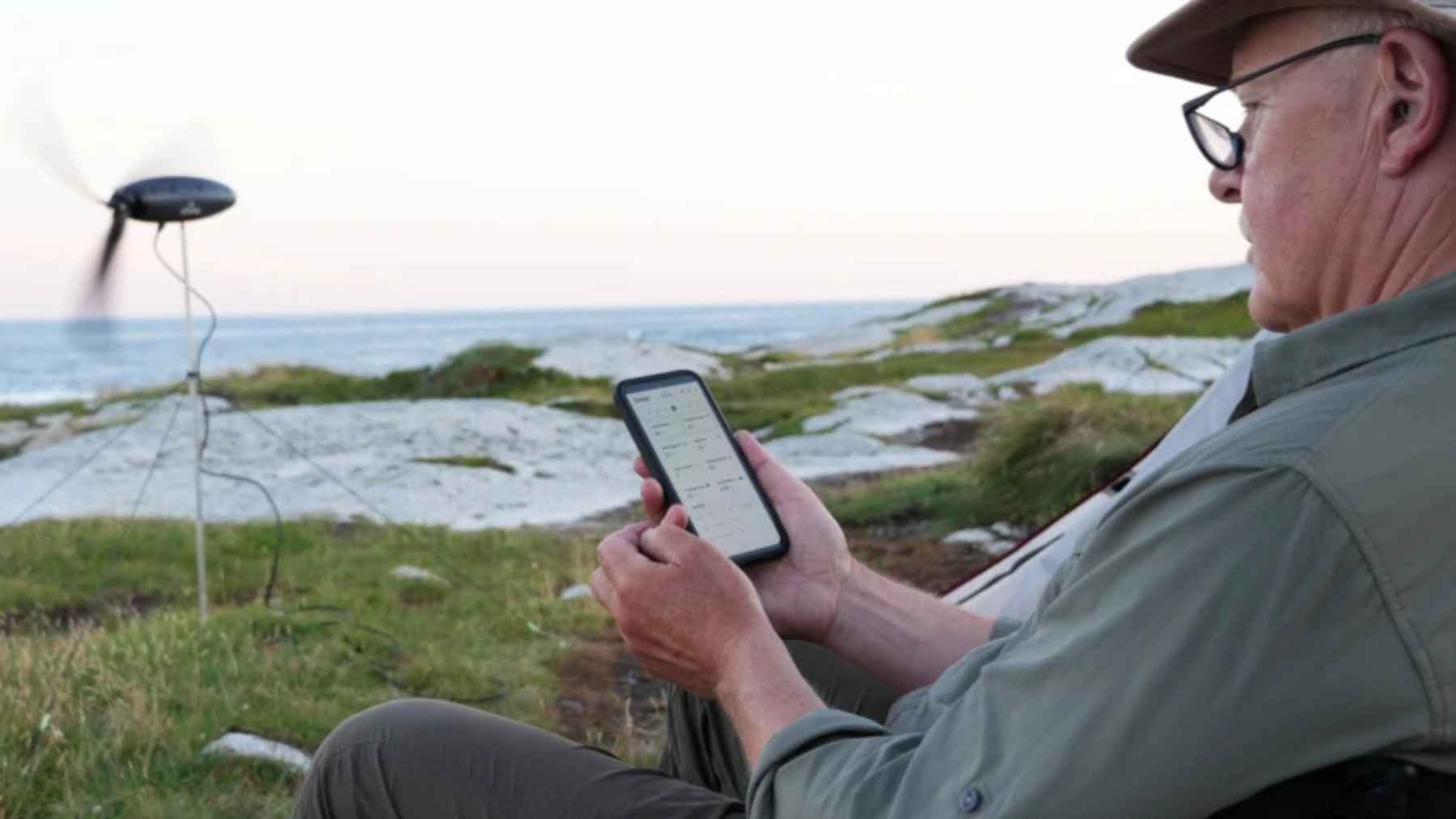
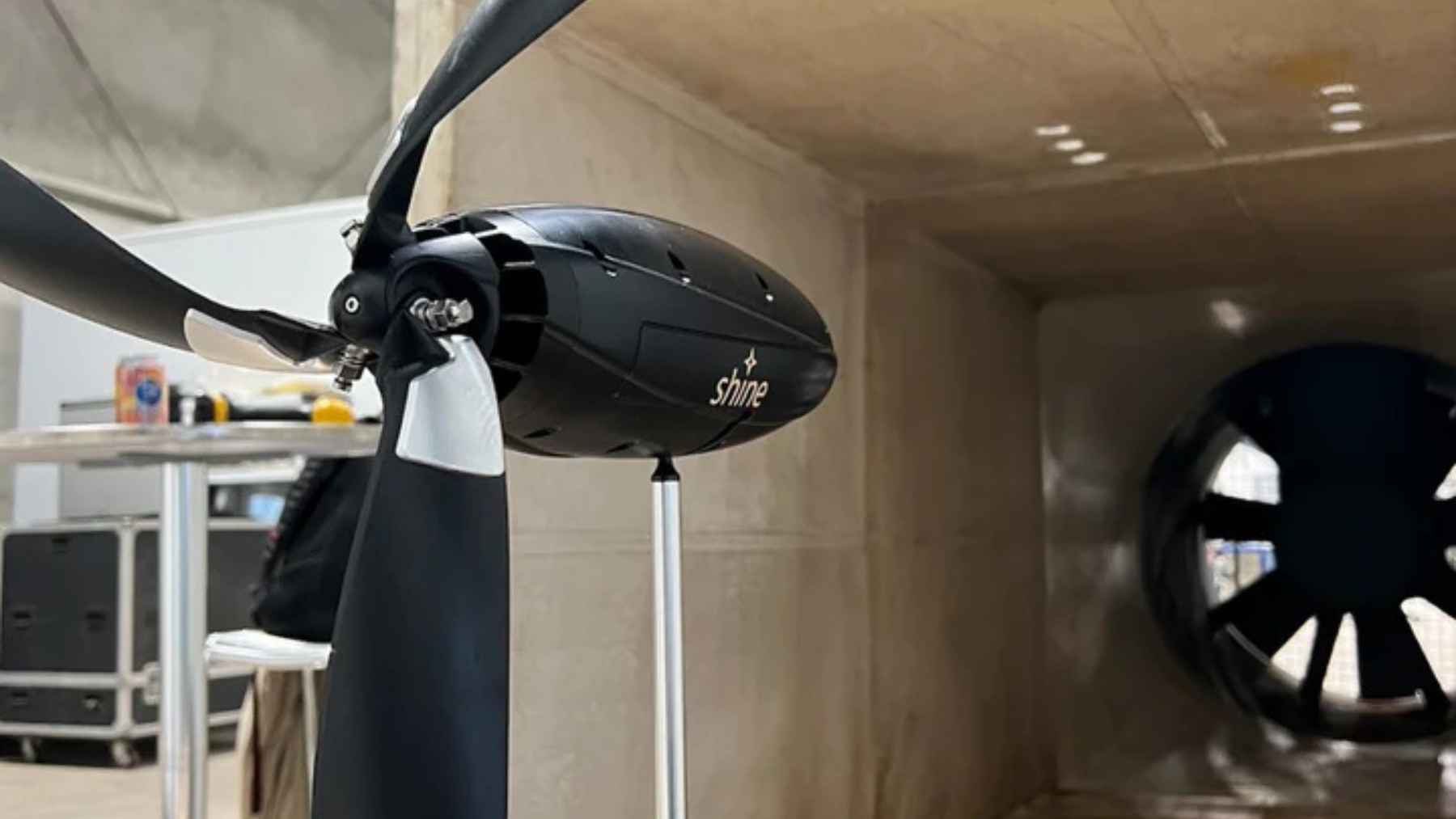
Shine 2.0, made by Aurea Technologies, is designed to fit in a backpack, start generating in winds from 8 to 28 mph, deliver up to 50 watts of power, and pair that with a 12,000 mAh internal battery and 75W USB-C output. As of Sunday, its Indiegogo campaign page showed $799,671 raised from 1,540 backers, and the latest official update said the team was working toward Spring 2026 shipping.
Why this matters for clean power
For the most part, portable renewables have meant solar panels. That is why Shine 2.0 stands out. Wind can keep producing power at night and in bad weather, and a company spokesperson told GearJunkie that this makes it useful “day or night, rain or shine” in places where the breeze is steady.
For campers, van users, field researchers, or families riding out a blackout at home, that could mean less dependence on disposable battery packs or the rumble and exhaust fumes of a gas generator. But the breeze still has to show up.
Where it works best
That last point is the real story. This turbine appears most useful on coasts, in mountains, across open plains, and in RV setups where wind is more reliable. In a dense forest or a sheltered campground, it is likely to be far less effective, which means solar will still make more sense for a lot of everyday trips.
In practical terms, Shine 2.0 looks less like a solar replacement and more like a second clean-energy tool for the right weather and the right place. That is not hype. It is just the reality of small-scale wind power.
What buyers should keep in mind
The hardware does show meaningful progress. Shine 2.0 moves up from 40W to 50W, adds MPPT charge control to handle gusty conditions, includes Bluetooth app monitoring, and can charge 12V devices and power stations with the proper adapter.
There is also an optional taller mount meant to reach less turbulent wind. Still, readers should keep one practical point in mind. This remains crowdfunded hardware, and recent official updates focus on testing, certification prep, and production readiness, which suggests the product is promising but not yet a routine off-the-shelf buy.
The official campaign update was published on “Indiegogo.”