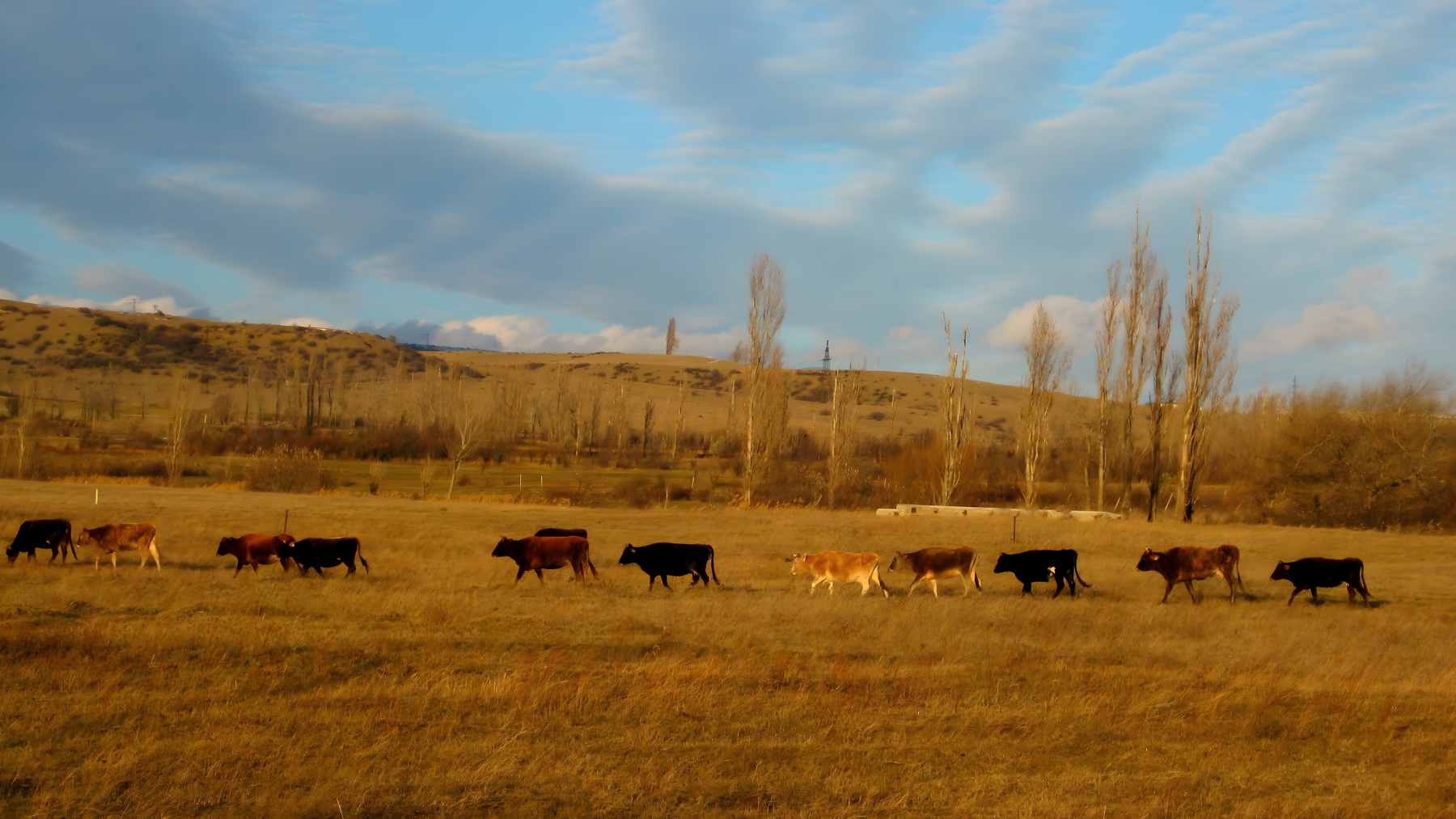
Kansas is sounding an alarm over one of its most valuable landscapes. A new state issue brief says native grasslands still cover about 30 percent of Kansas, or 15.8 million acres, but hundreds of thousands of acres are being lost each year as land is converted to crops and overtaken by trees, brush, and non native grasses.
The warning is not just about scenery. State officials tie that loss to cattle production, wildfire danger, water stress, and public health.
How grassland loss could affect beef prices
Sounds like a ranch country problem? Not really. The brief says Kansas’ beef industry contributes $22.9 billion in direct output and $33.2 billion in total annual economic activity, while employing more than 57,400 workers.
That helps explain why fewer grazing acres matter beyond the ranch gate. The report also warns that shrinking grasslands could reduce herd sizes over time and push consumer costs higher at the store. It is careful, though. The full economic value of grasslands themselves is still not fully measured.
Water quality and drought risks tied to native prairie
There is also a water angle that can be easy to miss. According to the report, intact grasslands improve plant water use efficiency, store more water in the soil, support streamflow, and reduce the loss of sediment and nutrients.
That matters during drought, and it matters downstream too, because weaker grassland systems can raise the cost of keeping drinking water clean for rural residents and municipalities. Small change on the land, big ripple effect.
Wildfire danger and disease risks from woody encroachment
The wildfire risk may be the most immediate threat. The brief points to invasive woody species such as eastern red cedar as a leading driver of more dangerous fires because they increase fuel loads, fire temperature, flame length, and spot fire distance.
It also flags a quieter problem. More brush and trees can mean more pollen and a higher risk of mosquito and tick borne disease, including West Nile virus and Lyme disease.
Kansas response to protect grasslands and ranchers
Kansas is not treating this like a problem with only one fix.
The brief calls for a statewide campaign to make more residents “grasslands literate,” more help for landowners managing invasive species, stronger support for prescribed burn groups and local fire departments, and a possible Grasslands Partnership Manager to connect agencies, universities, ranchers, and conservation groups.
More than 50 ranchers and landowners helped shape those recommendations, along with 214 Kansans from 65 counties who answered a public survey. That gives the document some real ground under its boots.
Why the Flint Hills grasslands matter
What makes the warning hit harder is this. The brief says only a few large intact grasslands remain in the world, and one of them is the Flint Hills of Kansas. Once prairie starts slipping away, getting it back is slow, expensive, and in some cases more than a century long for soil carbon alone.
The official statement was published on Kansas Department of Agriculture.