What does a new nuclear doctrine have to do with the environment? Quite a bit, actually.
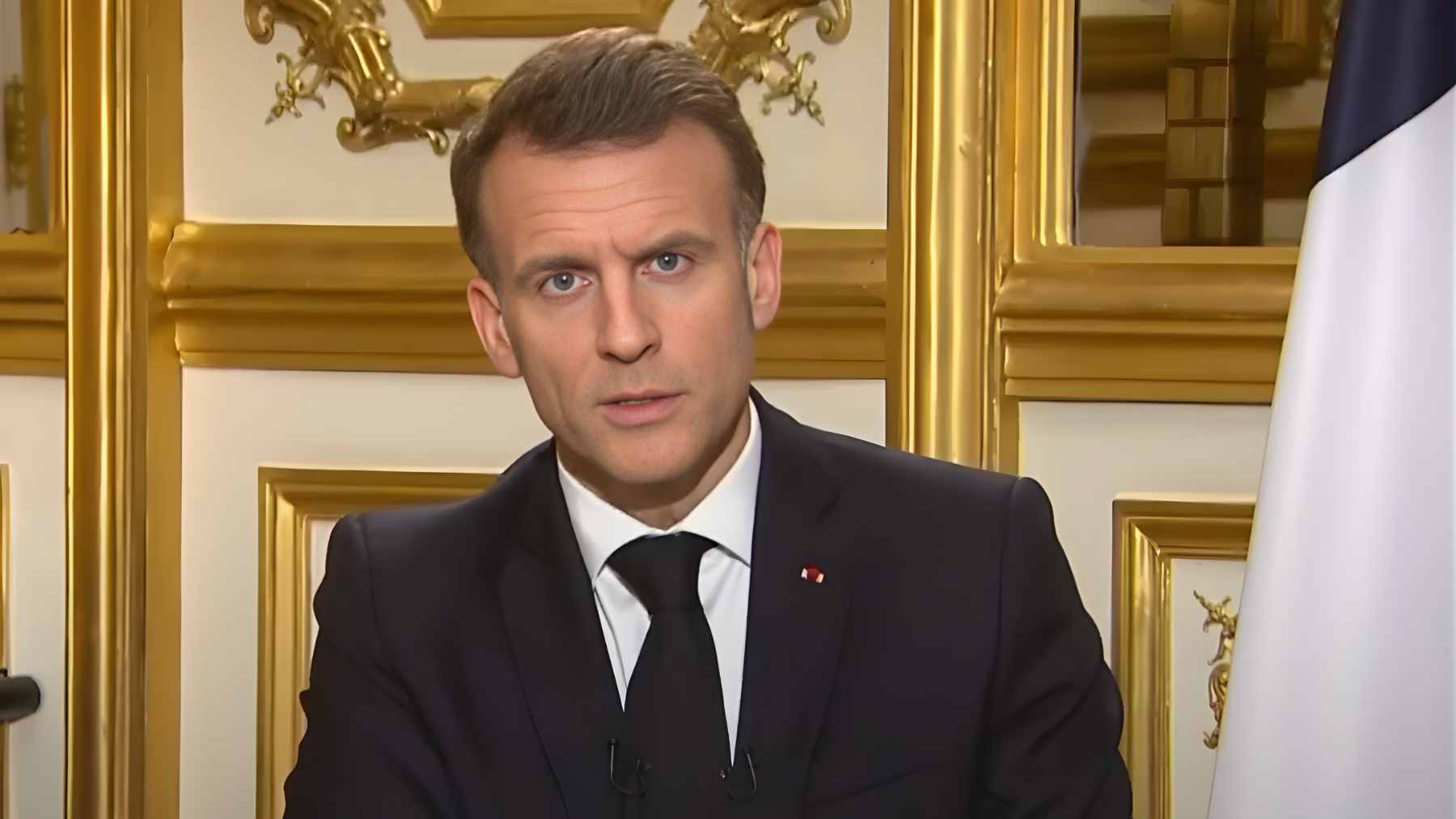
French President Emmanuel Macron used a March 2 speech at the Île Longue operational base to announce two major changes. France will allow the temporary deployment of elements of its strategic air forces to allied countries, and it will increase the number of warheads in its arsenal.
He also made clear that any decision to use those weapons would remain solely in the hands of the French president.
That is a big shift for Europe. Macron called the doctrine “forward deterrence” and said partner countries could join deterrence exercises and, when appropriate, host deployed elements of French strategic forces.
According to the Associated Press, talks have already started with Britain, Germany, Poland, the Netherlands, Belgium, Greece, Sweden, and Denmark. AP also reported that France’s stockpile had been below 300 warheads and that this would be the first increase since at least 1992.
Military buildup and Europe’s defense footprint
But here is the part that should not get lost. A larger deterrent is not just a military concept on paper. It rests on submarines, air bases, missile programs, industrial facilities, and decades of oversight.
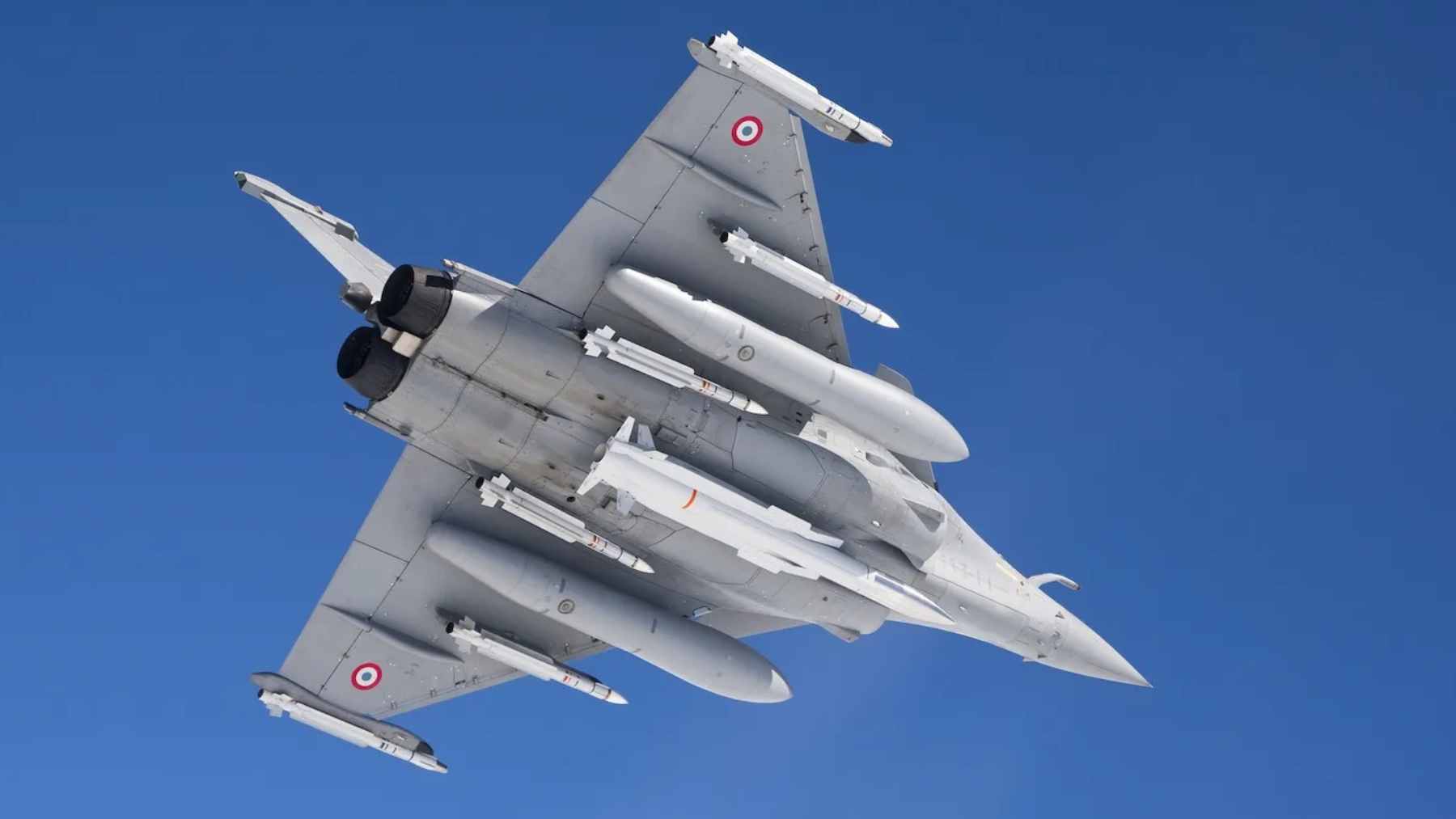
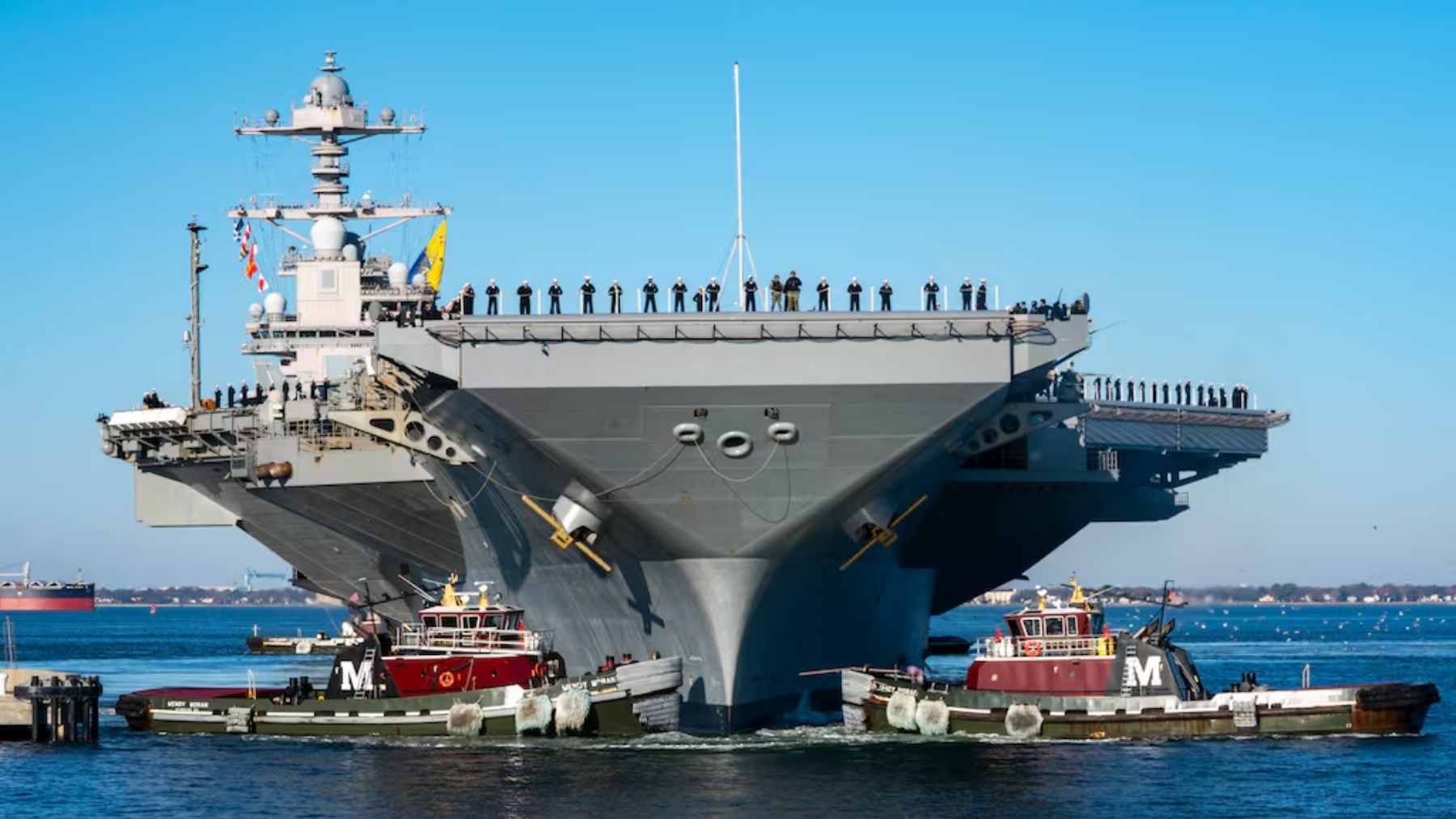
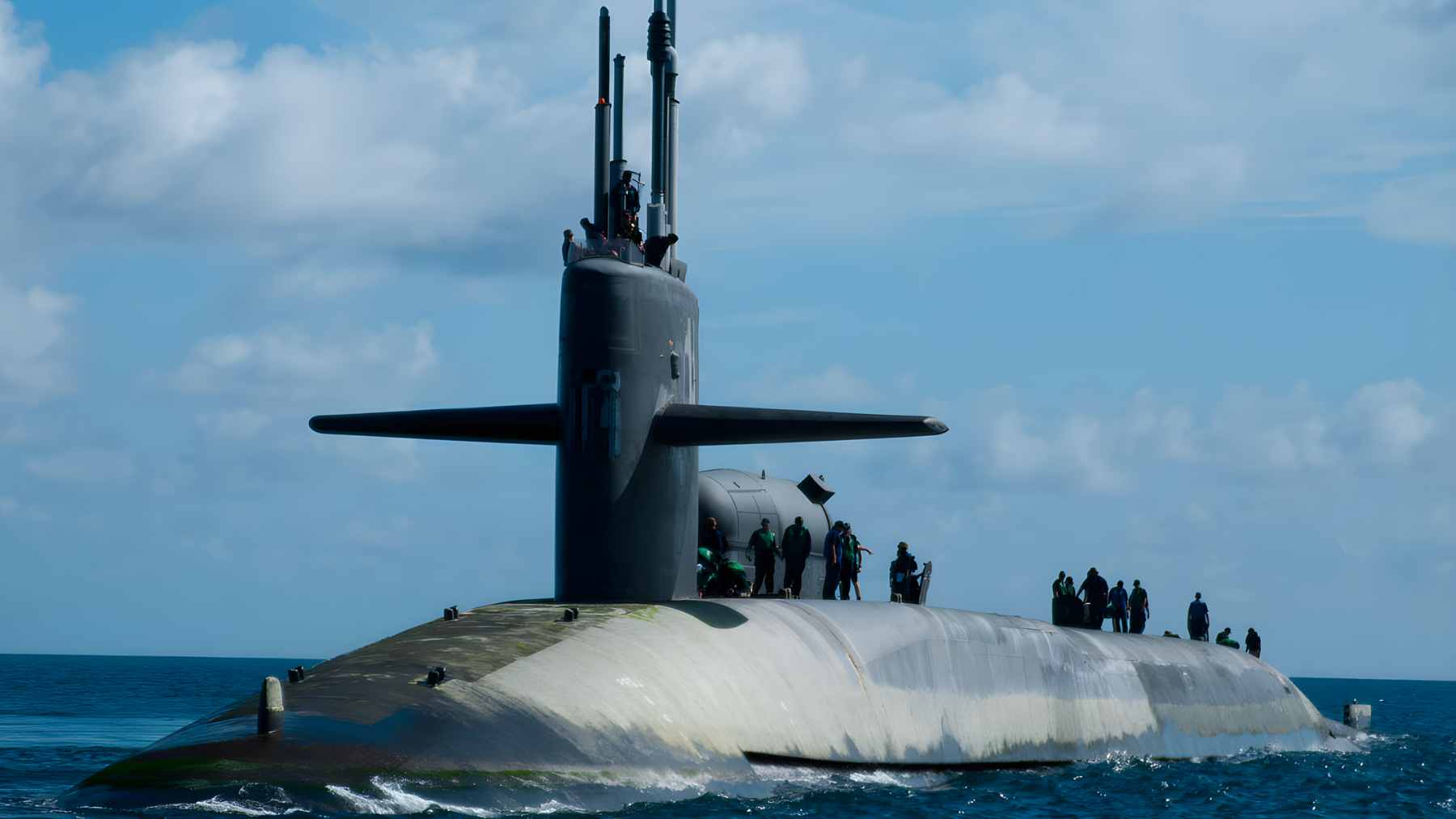
Macron said France is already building its future strategic submarines, that the next ballistic missile submarine will be named “L’Invincible” and enter service plans in 2036, and that a new supersonic nuclear missile program is being prepared for combat aircraft and a future aircraft carrier.
In practical terms, that points to a longer and heavier industrial footprint across land, sea, and air.
Environmental impact of nuclear deterrence
That is where the environmental angle comes in. Europe is talking more and more about resilience, but resilience is not only about missiles and runways. It is also about what kind of infrastructure governments choose to expand, how much hazardous material they must manage over time, and which public priorities get pushed down the list.
Macron said this new French posture is meant to complement NATO, not replace it. Still, it opens a broader debate that goes well beyond strategy rooms and summit tables.
Europe’s nuclear shield and the broader debate
For now, France is presenting this as a sovereignty and security decision. Fair enough. But the deeper question is harder to ignore. Can Europe build a bigger nuclear shield without also deepening the environmental and industrial burdens that come with it?
The official statement was published on Élysée.