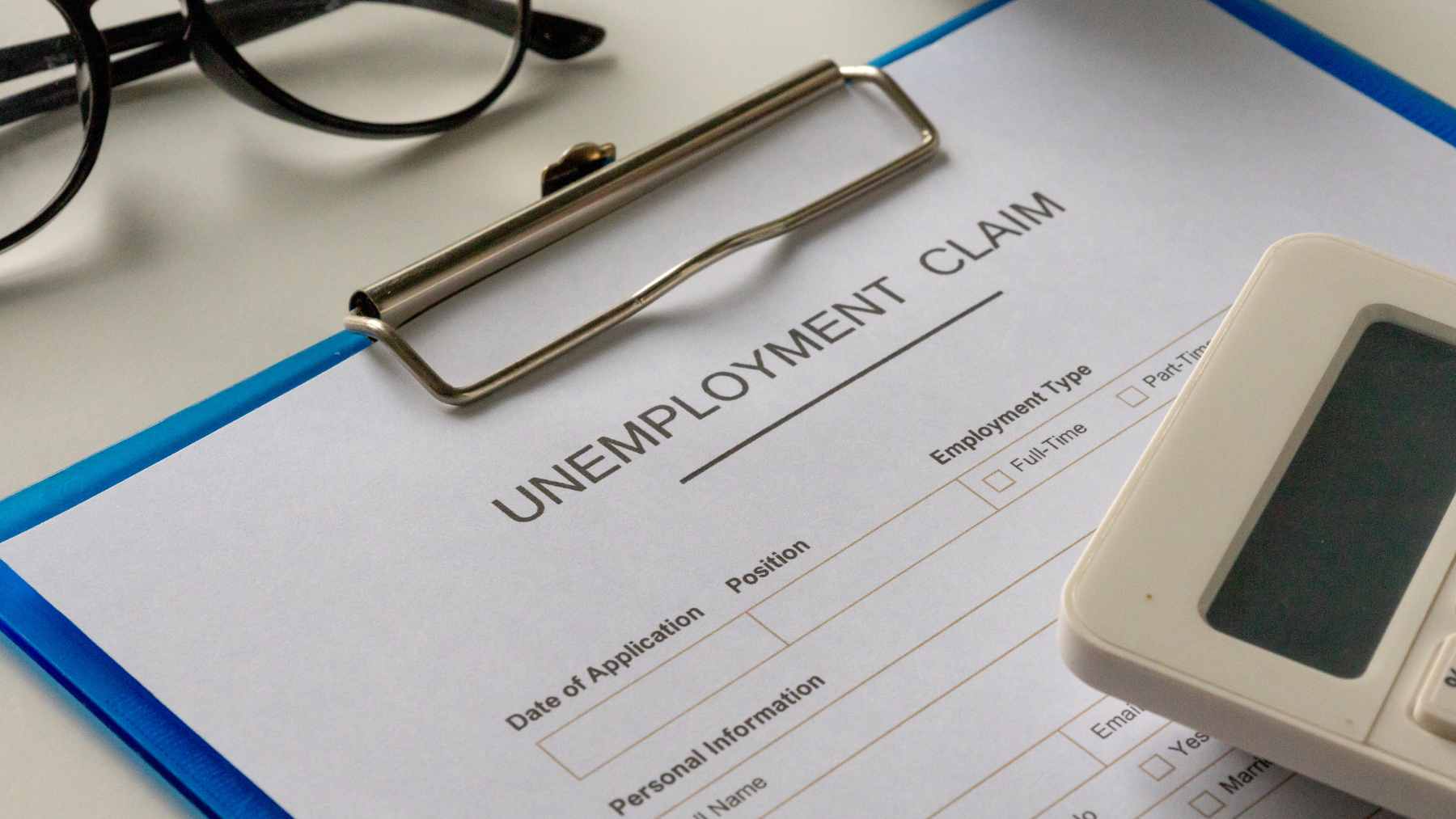
Valerie Lockhart was laid off from Morgan Stanley in March 2025, and she assumed her next role would come quickly. She updated her resume for automated screeners, leaned on her network, and applied to more than 500 jobs, yet months later she was still waiting for one stable offer.
When a senior risk and compliance professional cannot get traction, it raises an uncomfortable question for the climate era.
Her story also has a painfully familiar detail, a home repair that could not wait for the labor market to cooperate. A flooded garage, a pipe leak, and a delayed fix meant living without hot water for a stretch, what she called a “Little House on the Prairie” moment.
That is not only about one household. It is a reminder that environmental stress and economic stress now show up on the same spreadsheet.
The risk curve keeps bending upward
The World Meteorological Organization says 2025 was about 1.43°C (about 2.6°F) above the 1850 to 1900 average, and it links the trend to a growing Earth energy imbalance.
Most of the extra heat ends up in the ocean, while the rest warms land and air near the surface and contributes to ice melt, a mix that reshapes ecosystems and raises the odds of costly surprises.
In the United States, NOAA counts 403 weather and climate disasters costing at least $1 billion each from 1980 to 2024, and the most recent five year average was 23 events per year.
For the Southeast climate region that includes Georgia, NOAA counts 220 billion dollar events since 1980, with a recent five year average of 13.2 events per year. The math is not abstract when it hits insurance rates, city budgets, and the mortgage.
Climate rules are pulling hiring into compliance
Lockhart focused her search on governance, risk, and compliance roles, and that makes sense in 2026. Environmental promises are increasingly treated like auditable claims, which means companies need controls, documentation, and people who know how to run programs without getting burned by bad data.
But the rulebook has been wobbly, and hiring tends to wobble with it. In March 2025, the SEC voted to end the agency’s defense of its climate related disclosure rules in court, a move that signaled uncertainty for U.S. public company reporting.
In the EU, lawmakers have expanded sustainability reporting requirements toward tens of thousands of firms, while the European Commission has also discussed delaying some deadlines through a “stop the clock” proposal.
California regulators are moving ahead with an implementation timeline for state climate disclosure laws with reporting work beginning in 2026.
Tech is turning climate promises into data work
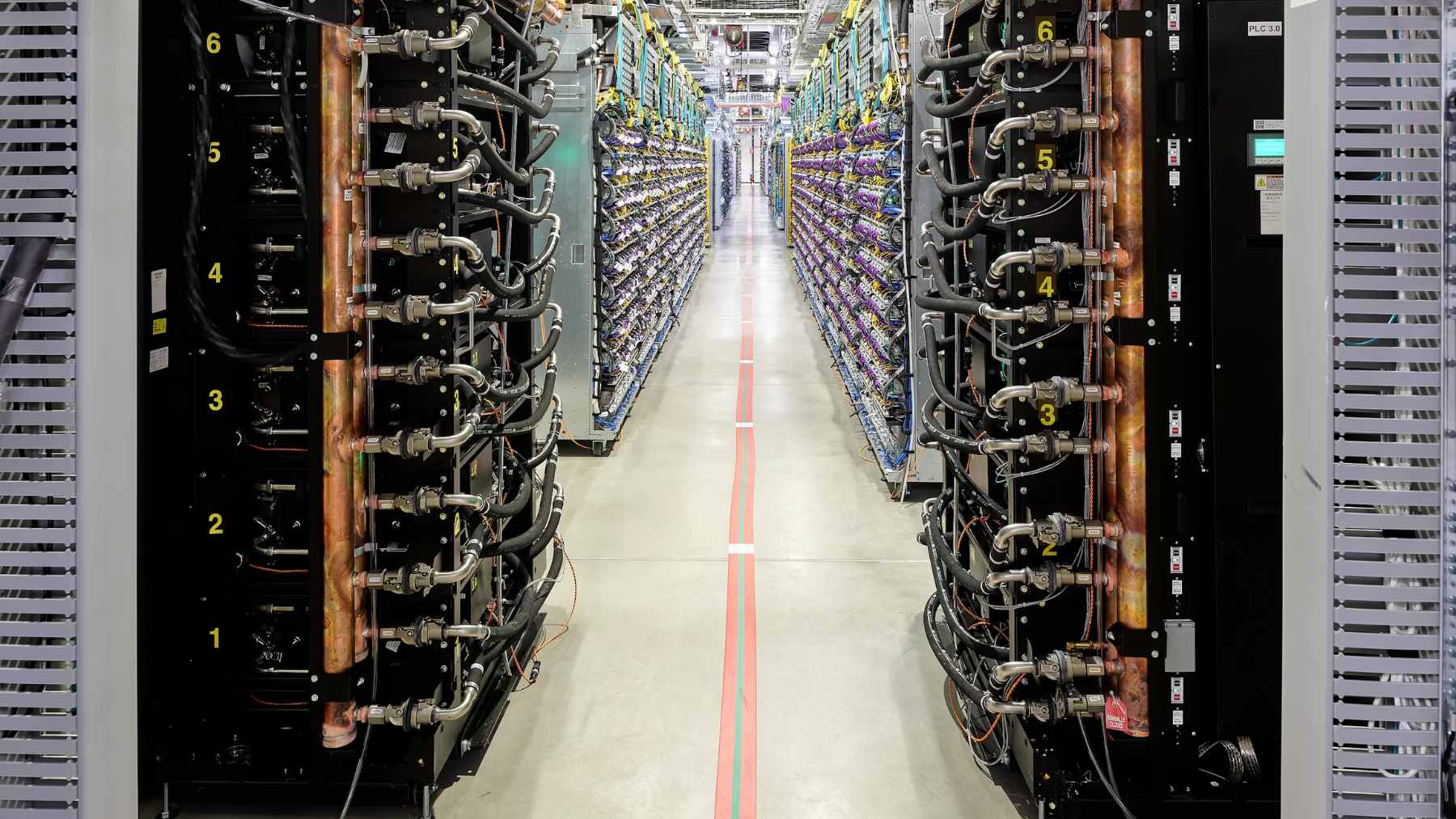
Once reporting is expected, it becomes technical. Emissions inventories, supplier tracing, and facility level risk models depend on software and sensors, and the hard part is often governance, who owns the numbers, who checks them, and what happens when they do not add up.
Methane monitoring shows how quickly climate accountability is becoming digital.
A 2026 paper in Atmospheric Chemistry and Physics describes the MethaneSAT mission, which operated between March 2024 and June 2025, and it estimates detection limits around 1,100 pounds of methane per hour under favorable conditions and roughly 2,900 pounds per hour on average across varied sites.
Tools like that can help spot major leaks, but they also create a new kind of work, analysts, engineers, and compliance teams translating satellite signals into action.
Defense is treating resilience as readiness
The Pentagon has been moving in the same direction, just with different stakes. A Department of Defense instruction on military installation resilience calls for planning and recovery around extreme weather, energy disruptions, and other hazards, and it also explicitly includes facility related control system cyber threats.
In practical terms, that is climate risk plus infrastructure risk plus cyber risk, bundled into one mission problem.
There is an ecological dimension too. The instruction points to resilience projects that can involve protecting and restoring natural features, and it stresses coordination with local governments for off base resources that installations rely on.
The DoD climate adaptation plan for 2024 to 2027 also lays out lines of effort that include climate informed decision making, training a climate informed workforce, and resilient built and natural infrastructure, which all require real staffing, not just strategy slides.
The green economy is hiring, but the pathway is messy
The clean energy job story is often strong, even when white collar hiring feels tight. The 2025 U.S. Energy and Employment Report says the U.S. energy sector employed about 8.5 million workers in 2024, about 5.4% of all U.S. jobs, and other analysis using that report puts clean energy employment at about 3.6 million by the end of 2024.
Still, the details matter for workers and for progress. World Resources Institute reports clean energy jobs grew 4.2% in 2024, faster than overall U.S. employment growth of 1.9%, with energy efficiency making up close to 2.4 million jobs.
A lot of that work happens in the trades and on job sites, while many compliance and risk roles get squeezed into short term contracts, the kind of instability Lockhart is living through.
Watch whether climate reporting deadlines stabilize, whether companies fund permanent teams instead of chasing “unicorn” candidates, and whether the data backbone improves enough that claims can be trusted.
Lockhart says she just needs “one opportunity,” and the climate economy needs a lot of people to get that chance before the next flood, heat wave, or blackout turns into another line item.
The press release was published on World Meteorological Organization.