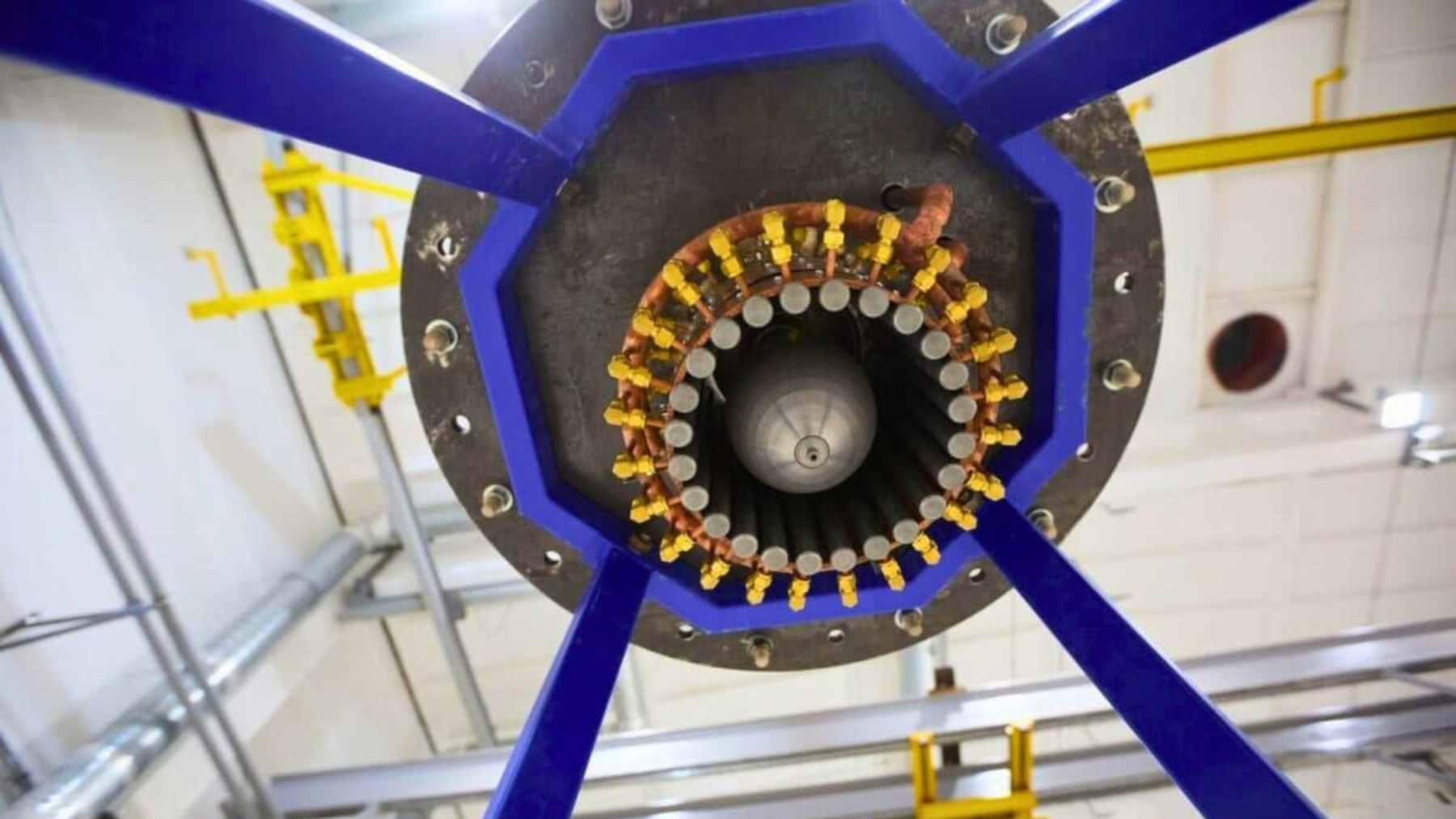
What if the next Mars breakthrough is not a bigger rocket, but a smarter engine? Rosatom says its scientists have built a laboratory prototype of a plasma electric rocket engine based on a magnetic plasma accelerator.
According to the company, the system can deliver at least 6 newtons of thrust, run at about 300 kilowatts, and potentially cut a one-way Mars flight from nearly a year to 30 to 60 days. If that sounds dramatic, it is.
Why the time savings matter
The speed is what grabs attention, but the health math may matter even more. NASA says reference Mars missions have often assumed 180 days to get there, a 500-day stay, and another 180 days to come home.
The same NASA material says that kind of mission could expose astronauts to about 1 sievert of radiation. There are no traffic jams in deep space, but there is cosmic radiation, and shorter trips could reduce one of the biggest risks crews would face.
Rosatom is also pitching efficiency. Its press release says the engine could reduce fuel needs tenfold. NASA has long made a similar point about electric propulsion more broadly, saying ion engines can be ten times more fuel efficient than chemical onboard propulsion and can provide near-constant acceleration and shorter travel times.
In practical terms, that means less propellant to haul off the Earth, lighter spacecraft, and potentially lower launch costs. Anybody who has ever looked at an electric bill knows efficiency changes the whole conversation. In space, that effect gets even bigger.
Still a laboratory story
But here is the catch. This is still a laboratory prototype, not a flight-ready engine. Rosatom says it is building a 14-meter-long vacuum chamber in Troitsk to test the system in space-like conditions and see whether it could support future “nuclear tugs.”
Also, NASA-backed concept studies have explored plasma systems that, on paper, could send humans to Mars in about two months. So the broader idea is not outlandish. The hard part is turning promising numbers on a test stand into a spacecraft that can survive deep space and do it reliably. That takes time.
And that is where the story gets bigger than Mars. Rosatom says the work is part of Russia’s “New Nuclear and Energy Technologies” initiative, which makes this as much an industrial and state investment story as a science story.
In the United States, DARPA has said advanced nuclear propulsion matters for “critical space missions” and for new missions in cislunar space between Earth and the moon.
So even if Rosatom’s timeline proves optimistic, the message is hard to miss. Faster propulsion is starting to look like strategic infrastructure.
The press release was published on Rosatom.