A new US-India trade deal is being sold as a big economic win, with Washington lowering tariffs on many Indian goods and New Delhi agreeing to cut or remove tariffs on all US industrial goods plus a wide range of food and farm products.
On paper, that sounds like faster trade and cheaper access. But the real story may be what still has not been fully clarified, especially on Russian oil, agricultural imports, and the long-term environmental price of moving more energy and goods across the globe.
US-India trade deal and tariff cuts
The White House joint statement says India will buy or source more American products, including energy, aircraft, and technology, while the US will apply an 18% reciprocal tariff rate on many Indian exports.
India’s own official briefing goes further and says tariffs on $30.94 billion of Indian exports were cut from 50% to 18%, while another $10.03 billion were reduced to zero.
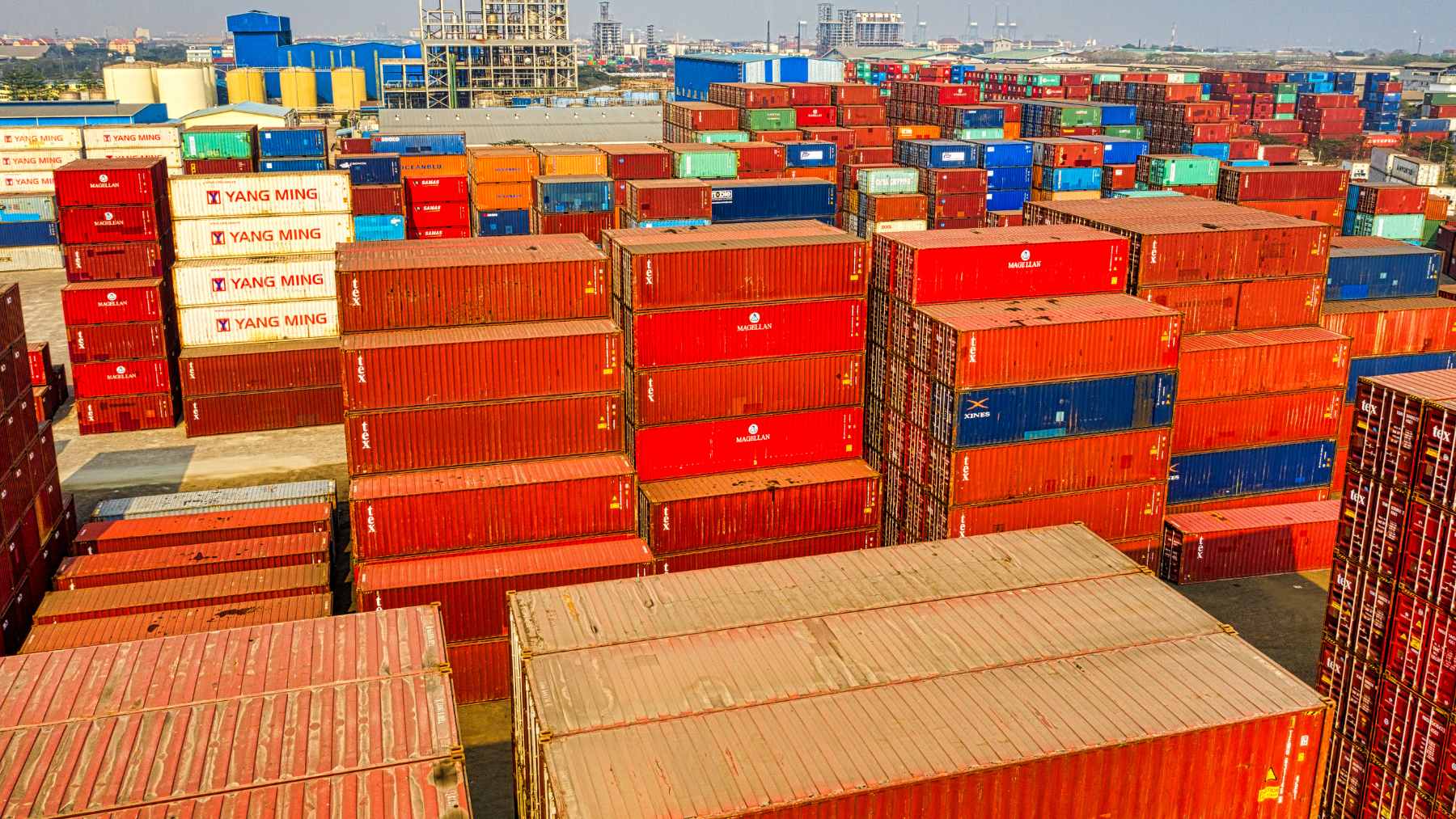
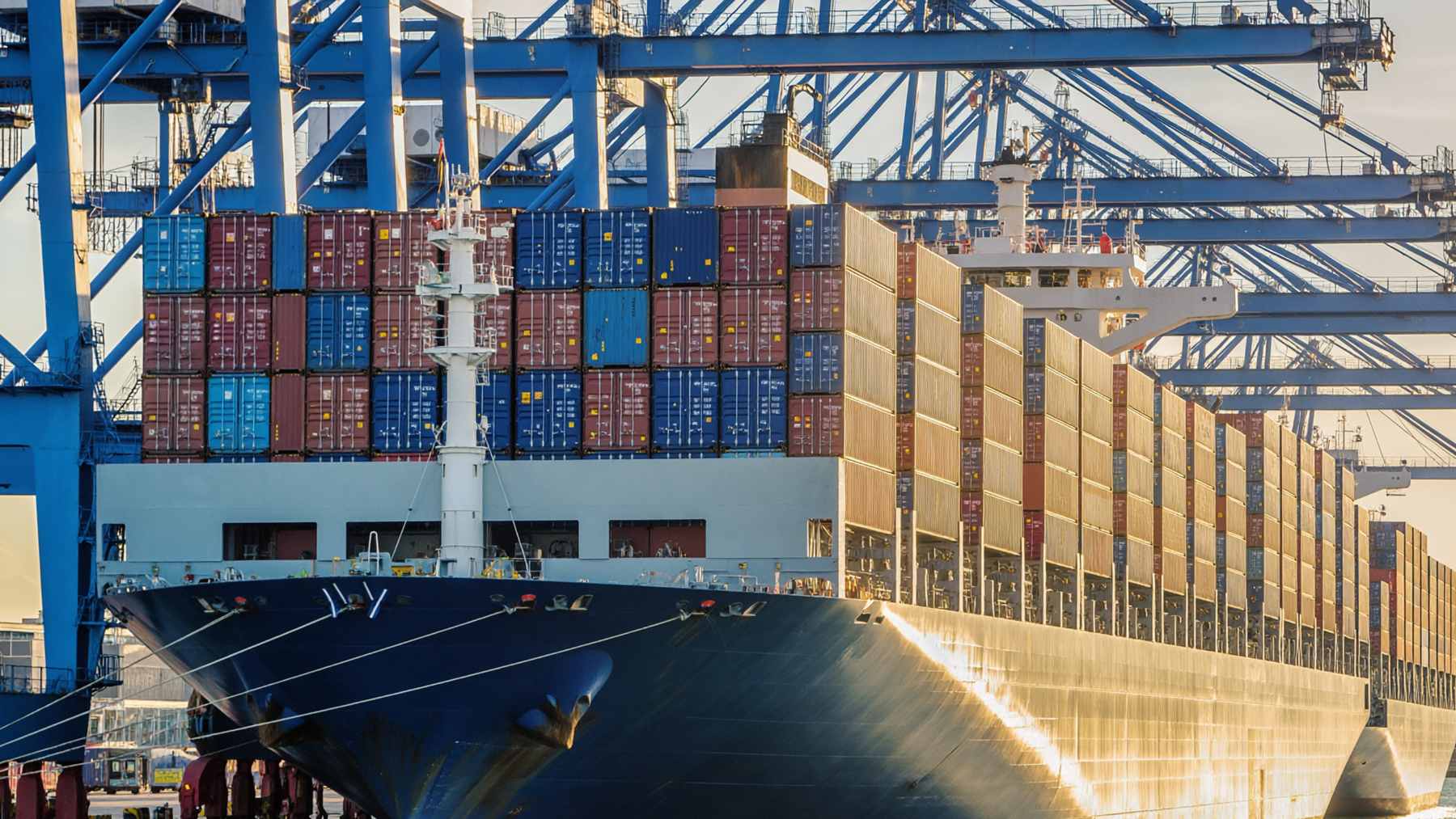
That is a meaningful shift for sectors like textiles, gems, machinery, and aircraft parts. It could help factories and exporters. It could also mean more shipping, more fuel use, and more pressure on supply chains that already carry a heavy carbon footprint. That part tends to get less attention.
Russian oil and the environmental cost of trade
Then there is oil; this is where things get murkier. The White House order modifying the earlier 25% India duty says India committed to stop directly or indirectly importing Russian oil, and that decision helped remove the added tariff.
But that pledge does not appear in the main US-India joint statement, which helps explain why critics in India say the deal still leaves major political and economic questions hanging in the air.
In practical terms, that means trade policy is now tied not just to prices and tariffs, but also to energy sourcing and strategic alignment.
How the trade deal could affect farmers
Farmers may feel the impact next. The joint statement lists products such as dried distillers’ grains, red sorghum, tree nuts, fruit, soybean oil, wine, and spirits among the US goods getting better access to India.
India’s official note also says highly sensitive sectors such as dairy, meat, poultry, and cereals remain protected.
Even so, farmer groups and trade analysts have warned that cheaper imports can squeeze local producers. Anyone who has watched food prices jump in the market knows that pressure lands fast when supply patterns change.
Why the US-India deal raises bigger questions
At the end of the day, this deal may boost trade. But for the most part, the unanswered questions are about more than commerce. They touch energy dependence, farm resilience, and the environmental cost of a trade model built on more planes, more cargo, and more oil.
The official statement was published on The White House.